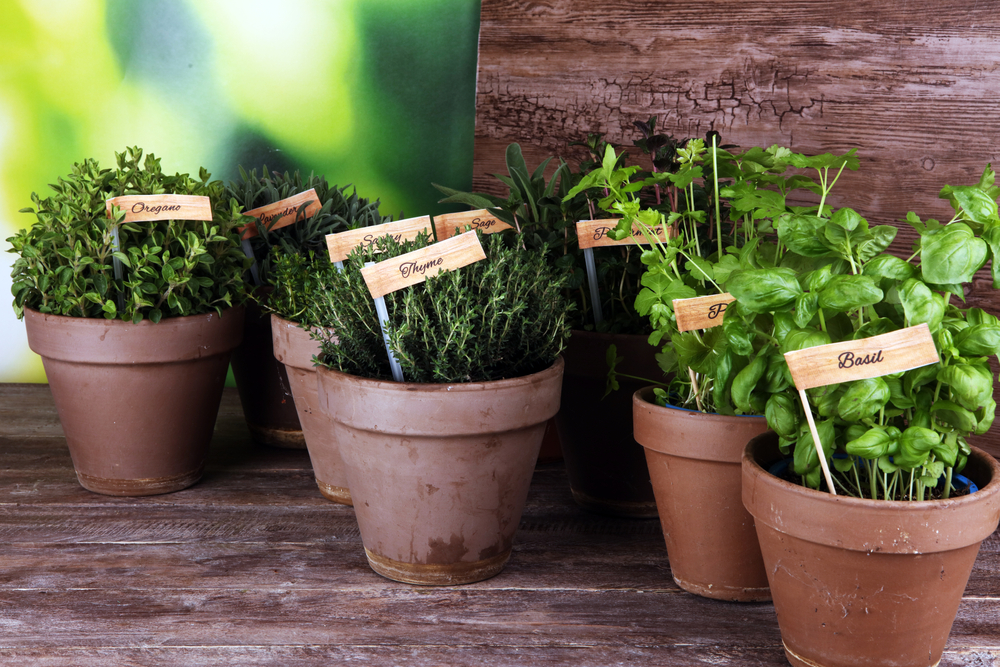
Herbs bring life to food, but buying starters at the store can get expensive fast. Imagine filling your kitchen with fresh basil, mint, or rosemary without spending a single dollar on pre-grown plants. Starting from scraps or seeds transforms ordinary cooking leftovers into a mini garden that looks vibrant and smells amazing. This approach isn’t just economical—it’s creative, sustainable, and surprisingly satisfying.
Growing herbs from scratch sparks a sense of accomplishment every time new shoots appear. It turns simple ingredients into a living project that refreshes meals, brightens spaces, and teaches a bit of patience along the way. The key lies in understanding which herbs root easily, how to nurture them properly, and how to maximize growth from the parts most people throw away.
Start With What You Already Have
The fastest way to kick off a herb garden without spending money is to repurpose kitchen scraps. Basil stems left after chopping, green onion roots, and cilantro stems with some leaves still attached can all be placed in water to encourage new growth. The trick is to change the water regularly and make sure stems don’t touch each other too much, which prevents rot and encourages healthy rooting. Within a week or two, roots begin to appear, and small leaves sprout as the plant gains strength.
Once roots develop, transplant these scraps into soil or a container filled with potting mix. Select a sunny window, as herbs need plenty of light to thrive. Water carefully, keeping soil moist but not soggy, and watch growth accelerate. Some herbs like mint and basil can be continuously harvested by snipping leaves, encouraging more growth. The beauty of this method is the instant sense of progress and the nearly magical transformation from discarded stems into vibrant plants ready to flavor dishes. This strategy saves money, reduces waste, and delivers fresh herbs on your schedule.
Master The Art Of Seed Propagation
Seeds are another free or low-cost option for growing herbs, and they offer incredible variety. Many fruits and vegetables already in the kitchen—tomatoes, peppers, lemons—contain seeds that sprout beautifully when nurtured. The process starts with cleaning and drying the seeds before planting them in small pots or trays. Keep the soil consistently moist and ensure they receive indirect sunlight until germination begins.
Patience is crucial, as some seeds take longer to sprout than others. Once seedlings are strong enough, thin them out to prevent overcrowding, which promotes healthier plants. Rotate pots occasionally so plants grow evenly and avoid leaning toward one side. Seed propagation requires a bit more attention than scraps, but the payoff is endless possibilities, from unique herbs to microgreens that add fresh flavor to meals. The thrill of seeing a tiny seed develop into a thriving herb makes the effort worth every moment.
Water Wisely, Don’t Overdo It
Overwatering is a common mistake for those starting herb gardens, and it can stunt growth or kill plants outright. Herbs generally prefer slightly moist soil, with roots allowed to breathe between waterings. A small watering can or even a teaspoon allows precise control, avoiding soggy soil while still giving roots enough moisture to thrive. Check soil by sticking a finger about an inch deep—dry? Time to water. Damp? Wait a day or two.
Consistency matters more than volume. Watering at the same time each day encourages steady growth and strengthens root systems. Some herbs respond better to morning watering, as excess moisture evaporates during the day, reducing the risk of mold or fungus. Observing changes in leaf color or texture also helps identify hydration needs quickly. Wise watering keeps plants healthy, extends their lifespan, and ensures that the money saved on starters is never wasted due to preventable mistakes.
Use Natural Fertilizers For Extra Growth
Fertilizers don’t have to come from a garden store. Leftover coffee grounds, banana peels, and eggshells all provide valuable nutrients that herbs crave. Mix crushed eggshells into the soil to supply calcium, compost coffee grounds to boost nitrogen, and bury small pieces of fruit peel for potassium. These natural fertilizers enrich the soil, enhance flavor, and keep the garden chemical-free. A healthy herb is not only more robust but also more fragrant and flavorful when harvested.
Applying these natural boosters periodically supports steady growth and prevents plants from becoming weak or leggy. Herbs grown with thoughtful nourishment flourish faster, produce more leaves, and survive minor environmental stressors. The process also fosters creativity and encourages a deeper connection to the garden. By leaning on natural resources, gardeners maximize yield while maintaining a sustainable, eco-friendly approach that fits neatly with cost-saving goals.
Prune And Harvest For Continuous Growth
Pruning and harvesting aren’t just about getting fresh herbs—they actively stimulate more growth. Snipping leaves regularly prevents plants from becoming top-heavy or woody, which can reduce overall productivity. Always cut above a leaf node to encourage branching, and avoid removing more than one-third of the plant at a time. This ensures continuous development and a strong root system.
Harvesting also trains gardeners to observe subtle growth patterns, like which stems are growing faster or which leaves are most vibrant. Timing plays a role too; harvesting in the morning often yields leaves with the highest essential oil content, giving flavor and aroma an extra punch. Regular care keeps herbs abundant, attractive, and ready to enhance meals, proving that growing from scratch doesn’t mean settling for less. Attention and timing turn a simple home project into a flourishing source of fresh ingredients.
Grow Indoors Or Outdoors—It’s Up To You
Herbs are flexible plants that thrive in various environments, making them perfect for indoor or outdoor gardening. Windowsills, balconies, or small patios can host containers, while outdoor beds allow more space and sunlight for larger varieties. Understanding each herb’s light, temperature, and humidity needs ensures strong growth regardless of location. Basil, thyme, and oregano love warmth and sun, while mint and parsley handle partial shade well.
Indoor setups also allow gardeners to extend growing seasons and avoid pests that typically affect outdoor plants. Simple measures like rotating pots, providing airflow, and using well-draining soil keep indoor herbs healthy and productive. Outdoor gardens, meanwhile, offer the benefit of space and natural conditions but require careful monitoring of weather and water. By matching herb type to environment, gardeners get the most robust growth without spending extra money or relying on pre-grown starters.
The Secret To Thriving Herbs Without Spending A Dime
Growing herbs without buying starters transforms scraps and seeds into a vibrant, money-saving garden full of flavor and color. Starting with kitchen leftovers, propagating seeds, and maintaining consistent care ensures plants not only survive but thrive. Attention to watering, natural fertilization, and strategic pruning strengthens herbs, producing a continuous supply of fresh ingredients for meals.
Which methods have worked best, or which techniques produced the most surprising growth? Jot down your tips, experiences, or favorite herbs in the comments.
You May Also Like…
Why DIY Bath Salts From Garden Herbs May Be Causing Skin Reactions
Is Growing Herbs at Home Still a Money Saver?
8 Plants That Grow Well From Grocery Store Scraps
12 Ways to Use Pumpkin Scraps in the Garden
The Best Free Garden Amendments

Brandon Marcus is a staff writer for FrugalGardening.com at District Media, Inc., where he delivers practical gardening advice with a relatable, no-nonsense style. An avid amateur gardener, he holds a BA degree and with over ten years of professional writing experience, he is also an award-winning published author whose first book, Questions For Deep Thinkers, was released by Adams Media. His work has appeared in major publications including Fandom.com, CHUD.com, TheColdWire.com, and Fansided.com.
Leave a Reply