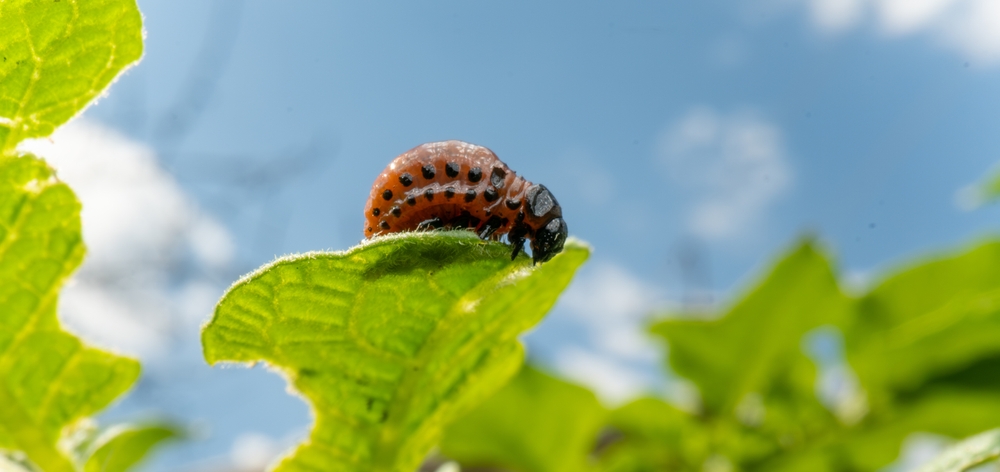
Winter in the South often feels like a cheat code: cooler temperatures, slower garden growth, and the chance to rest your green thumbs. But for some gardeners, that cozy downtime is secretly giving a boost to tiny invaders that could wreak havoc come spring. Those bright, leafy, and perfectly pruned clippings you think are harmless? They might be the highways and hotels for insects and plant diseases you don’t want anywhere near your prized blooms or vegetables.
By the time you realize it, these pests have already moved in, multiplied, and started causing damage that could have been avoided. The stakes are high, but the solution is simpler than you might think.
Why Winter Garden Cleanup Is Riskier Than You Think
Many Southern gardeners treat winter as a prime opportunity for yard cleanup. Fallen leaves, pruned branches, and leftover plant debris get bundled up, tossed into compost bins, or piled in corners. While that sounds like responsible gardening, it can unintentionally become a playground for pests. Invasive insects like the emerald ash borer, bagworms, and various scale species often use dormant branches or leaf litter as shelter. When gardeners move debris around without inspecting it, they are essentially handing pests a first-class ticket to new plants or yards.
Even if you only clean up a small patch, these insects can travel, laying eggs and creating nests that go unnoticed until spring. It’s not just bugs either; fungal spores and bacterial pathogens can hitch a ride on seemingly harmless debris. So what seems like a simple chore can quickly turn into a vector for spreading invasive species across neighborhoods.
The Most Common Culprit: Bringing Clippings Indoors
A surprising number of gardeners store plant cuttings indoors during winter to protect them from frost or cold snaps. You might stack them in a garage, greenhouse, or even a shed, thinking you’re giving them extra care. Unfortunately, this practice can backfire.
Many invasive pests are already present on the branches and leaves you bring inside, quietly waiting for warmer temperatures to wake up. By storing them in confined spaces, you create an ideal breeding ground. When spring arrives, these pests can spread directly into your garden from these indoor staging areas. Even a single infected clipping can be enough to spark an outbreak, leading to infested trees, shrubs, or vegetable beds.
The problem is amplified because indoor storage can prevent natural predators, like birds and beneficial insects, from reaching the pests and keeping their numbers in check. Essentially, your well-intentioned habit could be doing more harm than good.
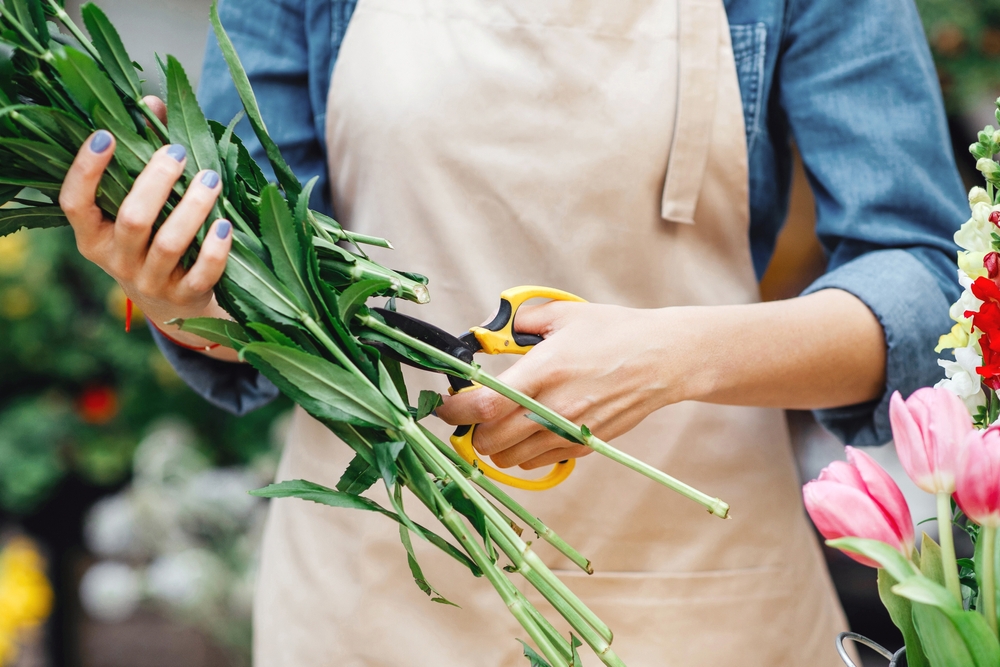
How Invasive Pests Impact Southern Gardens
Invasive pests are not just annoying—they can fundamentally alter the health and productivity of your garden. Species like the red imported fire ant, hemlock woolly adelgid, and certain invasive caterpillars don’t have natural checks in Southern landscapes. Once established, they can decimate native plants, choke out ornamental species, and even threaten fruit and vegetable production.
Beyond aesthetics, there are ecological consequences: native pollinators and beneficial insects often struggle when invasives take over. This means fewer bees visiting your flowers and vegetables, slower decomposition of organic matter, and increased susceptibility to disease outbreaks. Some invasive pests also carry plant pathogens that can linger in soil or on debris, making future planting seasons riskier. Simply put, the ripple effect from one winter habit can extend well into multiple growing seasons.
Safe Alternatives To Keep Pests At Bay
Avoiding the spread of pests doesn’t require abandoning winter garden maintenance entirely. Start by carefully inspecting every clipping, branch, and leaf before storage or disposal. For heavily infested material, consider burning (if local regulations allow) or sealing it in heavy-duty trash bags for removal.
Composting is safe if your compost pile reaches high enough temperatures to kill eggs and larvae, typically around 140–160°F, but cold piles may do the opposite of what you intend. Storing debris outdoors in screened bins rather than inside a garage can also reduce the chance of pests spreading to your indoor spaces. Another strategy is to stagger pruning and cleanup, giving natural predators a chance to consume pests before debris removal. Even small changes like these can dramatically reduce the movement and establishment of invasive species in your garden.
Recognizing Early Signs Of Infestation
Spotting pests early is one of the most effective ways to prevent serious damage. Look for small holes in leaves, sticky residues, webbing on branches, or unusual discoloration. Some pests, like bagworms, may be more obvious during winter because their protective cases hang from branches, making them easier to remove. Regular inspection of stored clippings and winter plants ensures that any hidden pests are caught before they migrate into your garden. Keeping a gardening journal or taking photos can help track changes over time, making it easier to identify problems early. The sooner you notice an issue, the less likely it is to explode into a full-blown infestation when warmer weather arrives. Vigilance pays off in more ways than one.
Long-Term Benefits Of Adjusting Winter Habits
Rethinking winter garden cleanup may take some planning, but the benefits are substantial. Fewer invasive pests mean healthier plants, stronger yields, and reduced need for chemical interventions. It also encourages a balanced ecosystem, where beneficial insects and native species can thrive without competition or predation from invasive intruders.
Adjusted habits create a domino effect: your garden flourishes, your neighbors benefit, and the local environment remains more resilient. Over time, these small, mindful actions can contribute to a community-wide reduction in pest populations, protecting more than just your backyard.
Your Winter Gardening Decisions Matter
Winter gardening is more than just a seasonal task—it’s a moment to safeguard the future of your plants, your soil, and your neighborhood ecosystem. By paying attention to the seemingly harmless debris, pruning habits, and storage choices, you can stop invasive pests before they become a problem. Take a little extra time this season to inspect, store, and dispose of plant material responsibly. Your garden will thank you, and so will the environment.
We’d love to hear about the techniques you’ve used to protect your winter garden or any experiences you’ve had with pests—let us know in the comments section below.
You May Also Like…
Why Your Raised Beds Might Be Harboring Pests Right Now—Even in Freezing Temps
8 Backyard Birds You Can Attract Without Creating a Pest Problem
Why Skipping Crop Rotation Leads to Bigger Pest Problems
The $0 Garden Trend That’s Taking Over Pinterest—And Why It’s Perfect for Southern Growers
The Winter Vegetable Garden Hack That Southern Gardeners Swear By

Brandon Marcus is a staff writer for FrugalGardening.com at District Media, Inc., where he delivers practical gardening advice with a relatable, no-nonsense style. An avid amateur gardener, he holds a BA degree and with over ten years of professional writing experience, he is also an award-winning published author whose first book, Questions For Deep Thinkers, was released by Adams Media. His work has appeared in major publications including Fandom.com, CHUD.com, TheColdWire.com, and Fansided.com.
Leave a Reply