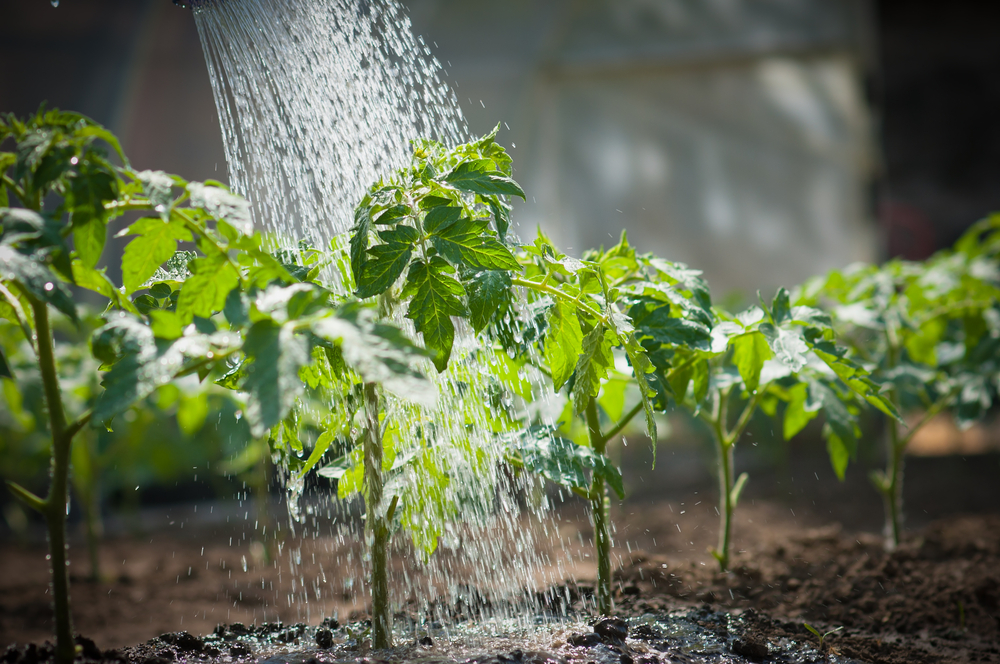
Overwatering often feels like a loving gesture, but plants interpret it very differently. Too much water suffocates roots by pushing oxygen out of the soil, which disrupts their ability to function properly. Many gardeners focus on keeping soil constantly damp, yet that habit often triggers hidden stress below the surface. Roots begin to weaken long before leaves show obvious signs of trouble. Once damage spreads, recovery becomes slow and frustrating, even with perfect care.
Root systems act like the plant’s engine, pulling in nutrients and stabilizing growth. When water fills every air pocket in the soil, roots lose access to the oxygen they need to survive. That imbalance creates a chain reaction that leads to decline, even in otherwise healthy plants. A strong garden always starts below ground, where balance matters more than constant moisture.
How Overwatering Starts a Hidden Root Problem
Overwatering begins quietly, often during routine watering schedules that feel harmless. Soil stays wet for too long, and roots sit in conditions that resemble a swamp rather than a living ecosystem. Oxygen levels drop quickly, and roots slow their nutrient uptake as a defense response. Fungal organisms also gain an advantage in saturated soil, increasing the risk of decay. Many gardeners miss this stage because the plant still looks green above the surface.
As saturation continues, root tips begin to die back, which reduces the plant’s ability to absorb water efficiently. Ironically, the plant may droop and prompt even more watering, which worsens the cycle. Soil structure collapses over time, especially in heavy clay or poorly draining containers. This stage marks the shift from simple stress to long-term damage that affects future growth.
Warning Signs Your Soil Sends Before Roots Fail
Soil gives early warnings long before a plant collapses, but those signals often get overlooked. A sour or musty smell rising from the soil often points to low oxygen levels and microbial imbalance. Mushy stems near the soil line also indicate excess moisture around the root crown. Leaves may yellow even when watering continues, which confuses many gardeners into adding more water. These clues signal that the root zone struggles rather than the foliage alone.
Another warning shows up when soil stays wet days after watering, especially in pots without proper drainage holes. Fungus gnats often appear in consistently damp environments, feeding on decaying organic matter in the soil. Roots begin to lose their white, firm appearance and shift toward a brown, fragile texture. At this stage, reducing water becomes more important than adding nutrients or fertilizers. Quick adjustments can still save many plants if action starts early.
Smart Watering Habits That Protect Root Systems
Healthy watering habits rely on observation rather than fixed schedules. Soil should dry slightly between waterings so roots can access oxygen and reset their balance. Finger tests, moisture meters, or simple weight checks of containers help guide better timing. Deep watering also matters because it encourages roots to grow downward instead of staying near the surface. Shallow, frequent watering creates weak root systems that struggle during heat or drought.
Drainage plays a major role in preventing long-term damage. Containers need holes that allow excess water to escape freely, while garden beds benefit from organic matter that improves soil structure. Compost, bark, and coarse sand help create air pockets that support healthy root activity. Watering early in the day also reduces excess moisture buildup overnight. Consistent habits like these strengthen roots and improve resilience across changing weather conditions.

Strong Roots Start With Smarter Watering Choices
Strong root systems develop when soil stays balanced, not soaked. Plants respond best when moisture supports growth without drowning the underground structure. Careful watering habits prevent many common garden problems before they ever appear above the surface. Small changes in timing, drainage, and observation create long-term stability for nearly every plant type. Healthy roots set the stage for stronger stems, better blooms, and more reliable harvests.
What watering habits have made the biggest difference in plant health, and which ones still cause confusion in the garden?
You May Also Like…
The Watering Myth: Why More Moisture Can Hurt Root Development
The Morning Watering Rule: Why Timing Impacts Growth More Than Quantity
Stop Overwatering: The Free Finger Test That Saves Your Water Bill
Why Plants Wilt Even After Watering and What to Do
Why Overwatering in March Wastes Money

Brandon Marcus is a staff writer for FrugalGardening.com at District Media, Inc., where he delivers practical gardening advice with a relatable, no-nonsense style. An avid amateur gardener, he holds a BA degree and with over ten years of professional writing experience, he is also an award-winning published author whose first book, Questions For Deep Thinkers, was released by Adams Media. His work has appeared in major publications including Fandom.com, CHUD.com, TheColdWire.com, and Fansided.com.
Leave a Reply