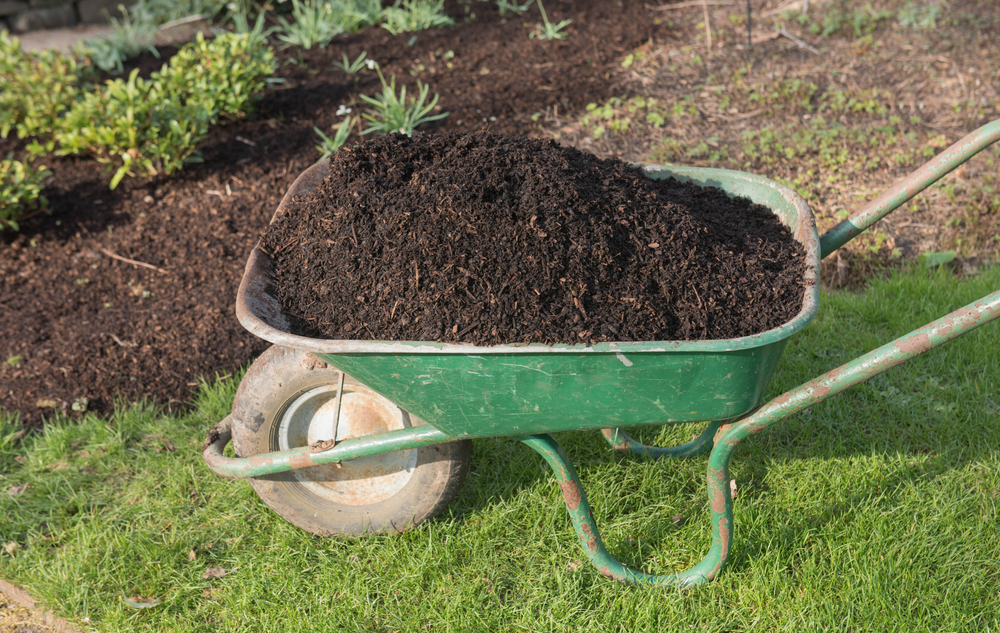
Winter is rolling in, frost is creeping over your lawn, and it might feel like the garden is officially “asleep” until spring. But don’t put away your gardening gloves just yet—December is secretly one of the best months to set your spring garden up for success. Mulching now might sound like an odd chore in the dead of winter, but this simple step can protect your plants, enrich your soil, and give your garden a head start when the warmer weather finally arrives.
It’s not just about keeping things neat; it’s about giving your plants a cozy winter blanket that keeps them alive and thriving. If you’re looking for a way to feel productive while the world outside looks frozen, mulching in December might just be your new favorite gardening trick.
1. Protects Plant Roots From Freezing Temperatures
Mulch acts like a thermal blanket for your garden, insulating roots from drastic temperature swings. When the ground freezes and thaws repeatedly, plant roots can get stressed, leading to stunted growth in spring. A good layer of mulch keeps the soil temperature more stable, giving roots a consistent environment to survive the harsh winter. Even hardy perennials benefit from this extra protection, as it reduces the shock they experience during sudden freezes. By taking the time to mulch in December, you’re effectively giving your garden a survival strategy that pays off as soon as the first blooms appear.
2. Suppresses Weeds Before They Start
Even in the coldest months, weeds can start plotting their return for spring, waiting for the right conditions to sprout. Applying mulch now creates a barrier that blocks sunlight, which many weed seeds need to germinate. That means fewer unwanted sprouts competing with your flowers, vegetables, and shrubs once the soil warms up. Mulching in December gives you a head start on garden maintenance, saving hours of weeding frustration later. Think of it as a preemptive strike against invasive intruders before they get a foothold in your carefully planned landscape.
3. Retains Moisture During Winter Thaws
While December is cold, it’s not always consistently dry. Snow melts, rains fall, and fluctuating temperatures can cause your garden soil to lose moisture quickly. Mulch acts like a sponge, holding onto water and releasing it slowly into the soil, keeping roots hydrated even in winter. This is particularly important for evergreens and newly planted shrubs that still need moisture to survive. By preventing winter dehydration, mulching now helps ensure your plants emerge from dormancy healthy and ready to grow.
4. Improves Soil Health For Spring Growth
Mulch doesn’t just sit there looking pretty—it actively enriches your soil over time. As organic mulch breaks down, it adds nutrients, improves soil structure, and encourages beneficial microorganisms to thrive. This decomposition process continues even during the colder months, quietly preparing your garden for a lush spring. Plants that enter spring with nutrient-rich soil are stronger, more resilient, and better able to fend off pests and diseases. Mulching in December turns your garden into a slow-cooking soil laboratory, so everything is ready when planting season arrives.
5. Prevents Soil Erosion And Compaction
Winter weather can be rough on exposed soil, especially in areas with heavy rain or snow. Mulch acts as a protective cover, reducing runoff and preventing erosion that can wash away valuable topsoil. It also prevents compaction from icy puddles or foot traffic, keeping your soil loose and airy for roots to grow. Maintaining proper soil structure during winter makes spring planting easier and more successful. Essentially, mulching now preserves the groundwork so your spring efforts don’t start off on the wrong foot.
6. Protects Perennials And Bulbs
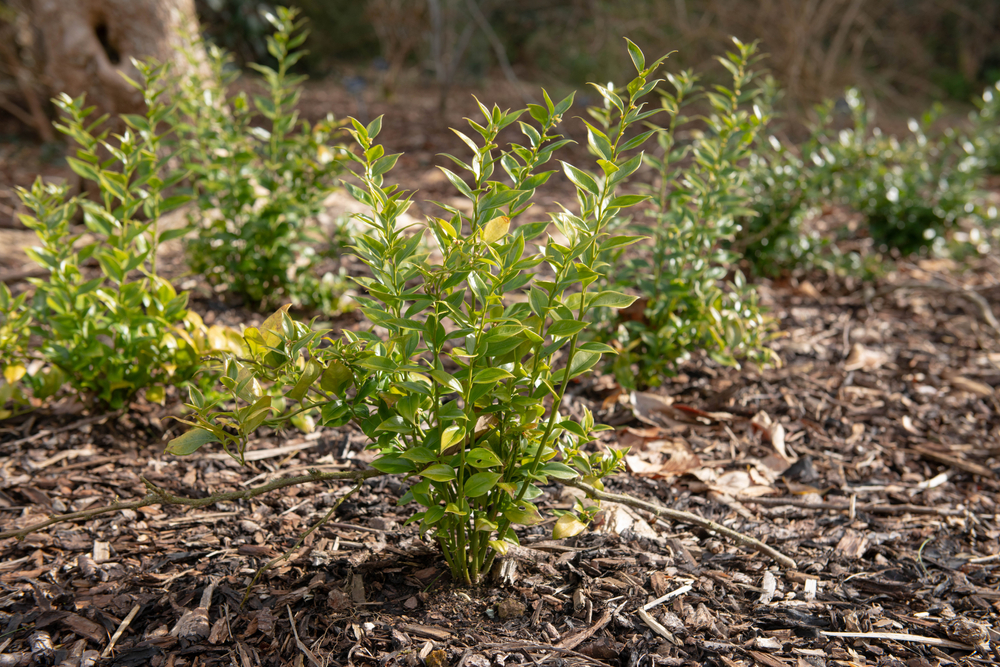
If you’ve spent seasons cultivating perennials or planting bulbs for spring, mulching in December is crucial for their survival. The protective layer shields tender roots and bulbs from temperature swings and frost heaving, which can push them out of the soil. It also keeps small animals from digging them up in search of winter snacks. Mulch creates a stable, insulated environment, giving bulbs and perennials the chance to lie low and store energy for a spectacular spring. Gardeners who skip this step often find their hard work wasted when plants fail to return as expected.
7. Adds Visual Appeal During Dormancy
Mulching isn’t just functional; it also makes your garden look tidy even when most plants are dormant. A neat layer of mulch can define garden beds, cover bare soil, and give structure to your winter landscape. It creates contrast with evergreens and hardy shrubs, offering a polished look that doesn’t feel completely lifeless. Winter visitors—humans and wildlife alike—can appreciate a well-maintained garden even in the coldest months. Starting the season with a clean, mulched garden also sets the stage for spring, when flowers and greenery burst through the protective layer.
8. Reduces Spring Cleanup Stress
Come spring, there’s already enough to do with planting, pruning, and preparing beds. Mulching in December significantly reduces the cleanup and maintenance you’ll face later. Fallen leaves, dead weeds, and bare soil are already covered, so the garden is closer to a ready-to-go state. This means more time enjoying early blooms and less time stressing over chores. Essentially, a little effort now saves a mountain of work when the garden awakens.
Your Garden’s Winter Hero
Mulching in December might feel like an unusual or inconvenient task, but its benefits for your spring garden are undeniable. From insulating roots to suppressing weeds, retaining moisture, and enriching soil, a simple layer of mulch can make a dramatic difference in the health and beauty of your plants. It’s the quiet, behind-the-scenes work that lets your garden shine when the warmer months arrive.
Have you tried mulching in December before? Share your thoughts, experiences, and any winter gardening tips in the comments section below—we’d love to hear your stories!
You May Also Like…
Why Mulch Thickness Matters Most Now
7 Holiday-Themed Planters to Make Your Garden Festive in December
Why Garden Beds Sink After Leaf Mulching
10 DIY Cold-Frame Hacks for Winter Veggies
The Lazy Gardener’s Trick for Keeping Raised Beds Fertile All Winter

Brandon Marcus is a staff writer for FrugalGardening.com at District Media, Inc., where he delivers practical gardening advice with a relatable, no-nonsense style. An avid amateur gardener, he holds a BA degree and with over ten years of professional writing experience, he is also an award-winning published author whose first book, Questions For Deep Thinkers, was released by Adams Media. His work has appeared in major publications including Fandom.com, CHUD.com, TheColdWire.com, and Fansided.com.
Leave a Reply