The first frost doesn’t have to be the final curtain for your garden. Imagine pulling crisp spinach and snappy carrots in December, or harvesting fresh kale in January while your neighbor’s plot sleeps under a blanket of snow. The secret isn’t a heated greenhouse or fancy equipment; it’s the humble, magical cold frame. Think of it as a cozy sweater for your plants, a simple solar-powered bunker that defies the chill. And building one doesn’t require a trip to the big-box store or a master’s in carpentry.
With a little ingenuity and a lot of fun, you can hack your way to a winter harvest. Let’s dive into ten clever, budget-friendly ways to build your own and keep the veggies coming.
1. Repurpose Old Windows And Doors
That old, drafty window sitting in the garage is about to become your garden’s best friend. Sourced windows and glass doors are the ultimate cold-frame hack, providing a ready-made, weatherproof lid. Simply construct a simple wooden or cinder block frame to your desired dimensions, angling it southward to catch the maximum winter sun. Hinge the window to the back of the frame so you can easily prop it open for ventilation on surprisingly warm days. You’ve just given a discarded item a new life and built a powerhouse of plant protection.
2. Transform A Plastic Storage Bin
For a quick, portable, and ultra-affordable option, look no further than a clear plastic storage tote. Choose a bin with a transparent lid to act as your glazing, letting in all that precious sunlight. Using a box cutter or saw, carefully remove the bottom of the bin, which will become your open frame that sits directly on the soil. Fill the bottomless bin with a rich potting mix and sow your seeds directly or use it to shelter potted herbs like parsley and thyme. When the deep cold hits, you can simply add an old blanket over the top at night for extra insulation.
3. Stack Straw Bales For Instant Walls
Embrace the rustic charm and superb insulation of a straw bale cold frame. Arrange bales in a rectangle, leaving the south side slightly lower for that crucial sun angle. Simply lay an old window, a piece of polycarbonate, or even a heavy-duty clear shower curtain over the top. The straw bales create a wonderfully thermally mass, absorbing heat during the day and slowly releasing it at night to keep roots cozy. In the spring, you can untie the bales and use the straw as mulch, creating a truly zero-waste garden project.
4. Upcycle Milk Jugs As Mini Domes
Don’t underestimate the power of the single-plant cloche, especially when made from a gallon milk jug. Thoroughly clean a plastic milk jug and use scissors to cut off the very bottom. Press the open-bottomed jug into the soil over a young spinach, lettuce, or kale seedling, screwing the cap on at night and off during the day for air flow. This creates a personal mini greenhouse that traps warmth and humidity for that one plant. It’s a fantastic, nearly free way to extend the season for just a few special plants without building a larger structure.
5. Build With Recycled Cinder Blocks
Cinder blocks offer a sturdy, accessible, and modular way to build a cold frame that will last for seasons. Lay the blocks in a rectangular shape, stacking them two high for sufficient depth. Fill the hollow cores with soil or sand to increase thermal mass and stability, which helps regulate the interior temperature. Top the structure with a salvaged window or a homemade frame wrapped in clear plastic sheeting. The beauty of this design is its flexibility—you can easily disassemble or enlarge it next year.
6. Insulate With Bubble Wrap Panels
Maximize light diffusion and add a surprising layer of insulation by incorporating bubble wrap. Staple large sheets of the large-bubble variety to the inside of your cold frame’s wooden lid before adding your final clear glazing. The air pockets in the bubble wrap act as tiny insulating barriers, reducing heat loss on frigid nights. It also diffuses sunlight beautifully, preventing hot spots and giving seedlings a more even, gentle light. This simple trick can boost your cold frame’s effectiveness by several precious degrees.
7. Install A Simple Automatic Vent
Prevent your leafy greens from baking on a unexpectedly sunny winter day with a self-regulating vent. Purchase an inexpensive automatic vent opener, which uses a heat-sensitive piston to lift the lid. Install it according to the package directions, typically between the cold frame box and its hinged top. This clever gadget will open the lid when the interior temperature rises too high and close it as it cools. Now you can go to work on a winter day without worrying about coming home to steamed spinach.
8. Use Water Jugs For Thermal Mass
Harness the sun’s power even after it sets by adding thermal mass inside your cold frame. Paint several one-gallon jugs black and fill them with water, then place them inside the frame behind your plants. Throughout the day, the black jugs absorb and store heat from the sunlight. As temperatures plummet at night, the water slowly releases that stored warmth, creating a more stable microclimate. This classic solar principle is a game-changer for protecting roots during freeze-and-thaw cycles.
9. Create A Hoop House Hybrid
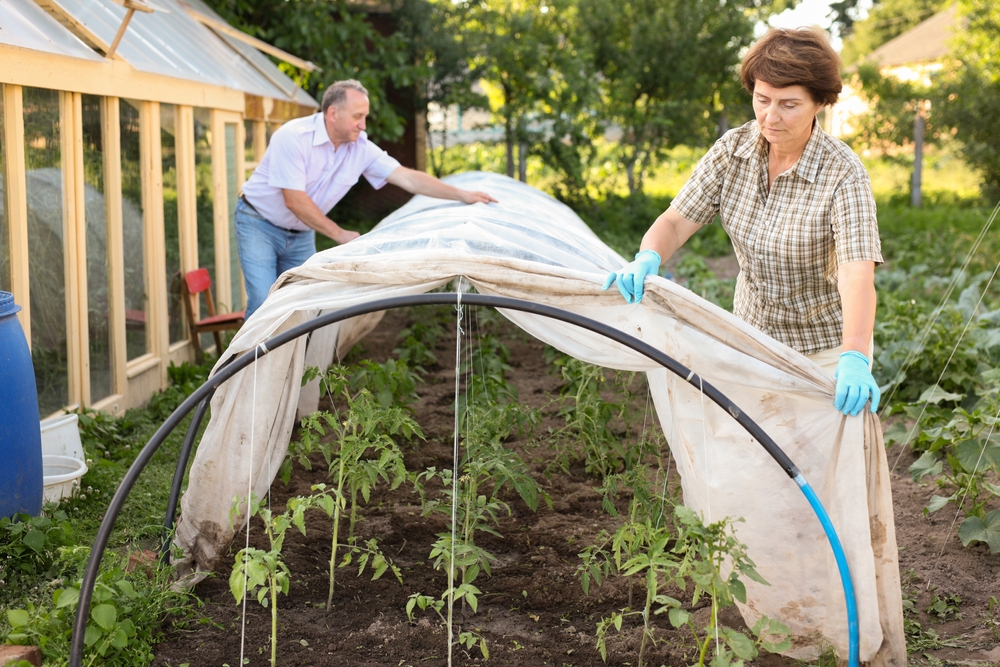
Merge the best of a cold frame and a mini hoop house for a spacious, tall structure. Bend lengths of inexpensive PVC pipe or flexible conduit into arches over a raised bed or planted row. Secure the arches and then drape them with clear plastic sheeting, securing it on all sides but leaving one end easy to open. This design gives you more height for taller greens like Swiss chard and kale, and makes tending your plants a back-friendly breeze. It’s essentially a walk-in cold frame for your winter garden bounty.
10. Add Reflective Foil For Extra Light
Give your plants a light boost during the shortest days of the year with a reflective interior. Line the north-facing interior wall of your cold frame with aluminum foil or a specialized reflective Mylar sheet. This simple hack bounces additional sunlight back onto your plants, encouraging sturdier growth and preventing leggy seedlings. It maximizes every bit of available winter sun, ensuring your greens get the energy they need to thrive despite the overcast skies. It’s like giving your plants a sunny south exposure on all sides.
Your Winter Garden Awaits
Winter gardening with a cold frame is a joyful act of defiance against the dormant season. Each of these hacks proves that with a bit of creativity, you don’t need a big budget to enjoy fresh, homegrown flavor all year round. The satisfaction of nibbling on a homegrown salad in January is unparalleled. So, grab those old windows, dust off those milk jugs, and get building. Your taste buds—and your garden—will thank you.
We’d love to hear about your cold-frame experiments! Did you try one of these hacks, or do you have a brilliant DIY trick of your own? Share your stories, photos, or questions in the comments section below and let’s keep the winter gardening conversation growing.
You May Also Like…
6 Cold Weather Herbs That Keep Producing Indoors
Why Straw Mulch Protects Roots in Cold Weather
Cold Frame Magic: How to Keep Growing Fresh Veggies Through Winter
10 Cold-Hardy Veggies That Thrive When Everyone Else Gives Up
Can You Actually Grow Vegetables Outside in December?

Brandon Marcus is a staff writer for FrugalGardening.com at District Media, Inc., where he delivers practical gardening advice with a relatable, no-nonsense style. An avid amateur gardener, he holds a BA degree and with over ten years of professional writing experience, he is also an award-winning published author whose first book, Questions For Deep Thinkers, was released by Adams Media. His work has appeared in major publications including Fandom.com, CHUD.com, TheColdWire.com, and Fansided.com.
Leave a Reply