
Winter gardening can feel like a cruel joke. You’ve spent months nurturing your raised beds, watching seedlings grow into leafy marvels, and suddenly everything slows to a frosty halt. For most gardeners, the cold months mean hunkering down and hoping your soil doesn’t turn into a barren wasteland.
But what if there were a way to keep your soil alive, nutrient-rich, and ready to explode with growth come spring—without spending hours shoveling compost or fighting the frost? Enter the lazy gardener’s secret trick: a surprisingly simple method that keeps your raised beds fertile all winter long, practically on autopilot.
Cover Your Beds With Nutrient-Rich Mulch
The first step in the lazy gardener’s winter strategy is layering your raised beds with nutrient-rich mulch. Leaves, straw, or even shredded garden waste act like a cozy blanket, protecting the soil from freezing while slowly decomposing into organic matter. This layer also prevents erosion and keeps worms and beneficial microbes busy underneath the surface. Mulch acts as a slow-release feeding system, so your soil continues absorbing nutrients even in frigid weather. By the time spring rolls around, your raised beds are practically bursting with life, ready for the next planting season.
Add Kitchen Scraps For Free Fertilizer
Here’s where the “lazy” part really shines: toss those leftover vegetable peels, coffee grounds, and eggshells directly onto your beds. Instead of hauling them to the compost bin or paying for fancy fertilizers, your scraps feed the soil while you sleep. Worms and microorganisms break down the food, turning it into natural fertilizer that seeps into the soil all winter. Not only does this save effort, it also reduces kitchen waste, giving your garden a green bonus. Regularly sprinkling scraps keeps the soil active and alive, so you wake up to beds that are nutrient-packed and ready for spring planting.
Let Nature Do The Work With Cover Crops
Cover crops are the ultimate lazy gardener hack for winter fertility. Instead of leaving soil bare, plant quick-growing greens like clover, rye, or winter peas. These plants protect your beds from erosion, fix nitrogen in the soil, and add organic matter when chopped down in spring. Even in harsh weather, hardy cover crops act like tiny green warriors, feeding the soil silently beneath frost and snow. By letting them grow, your raised beds aren’t just surviving—they’re actively improving while you binge-watch your favorite series.
Water Sparingly And Strategically
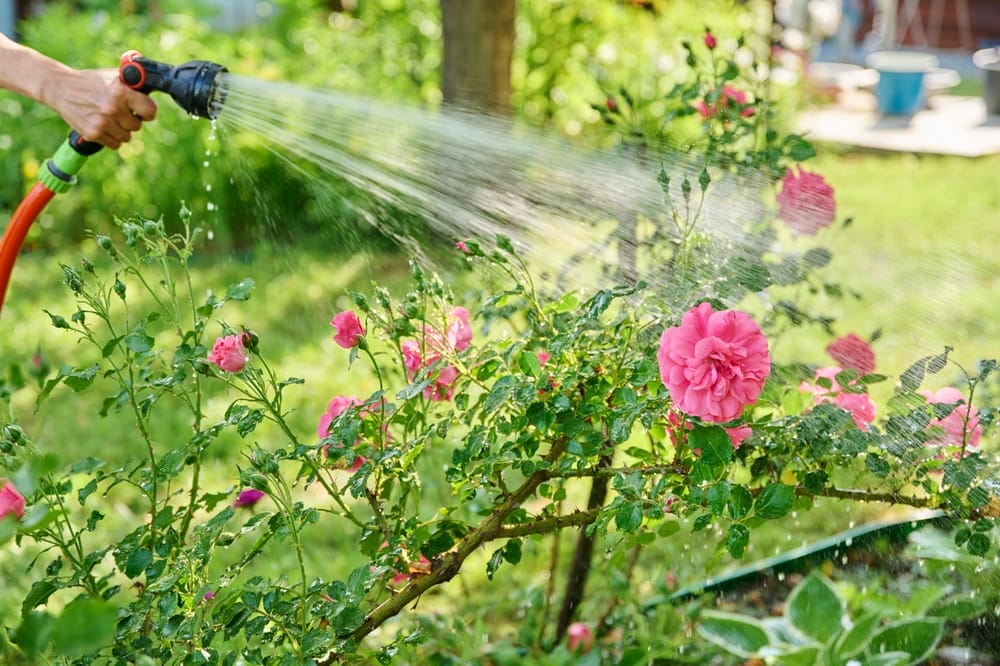
Winter moisture management is another critical piece of the lazy gardener’s strategy. Too much water and you risk freezing and soil compaction; too little and microbes go dormant. A light, occasional watering ensures the soil stays just damp enough for microbial activity without turning into a frozen slurry.
Snowfall can also do some of the work for you, melting gradually to provide gentle hydration. By observing your beds and making minimal interventions, you’re giving nature a chance to do its magic while keeping your hands mostly clean.
Use Row Covers To Protect And Boost Soil Life
Row covers aren’t just for extending your growing season—they’re winter superheroes. Draping lightweight fabric over your raised beds keeps frost off while still allowing sunlight, rain, and snow to reach the soil. The cover also traps a small amount of warmth, creating a microclimate that keeps worms and beneficial bacteria active. This means that even in freezing conditions, your soil remains alive and decomposing organic matter. By combining mulch, kitchen scraps, and row covers, your beds essentially become self-maintaining ecosystems all winter long.
Turn The Soil Minimally And Mindfully
One of the biggest mistakes lazy gardeners avoid is over-tilling in winter. Disturbing the soil too much disrupts microbial communities and releases stored carbon into the air. Instead, just lightly loosen the top layer if needed, leaving the rest intact to continue its quiet nutrient work.
Minimal turning also helps prevent erosion and compaction while keeping frost-sensitive organisms safely tucked underground. By letting the soil structure stay mostly intact, you maximize winter fertility without breaking a sweat.
Plan Your Spring Crops While The Soil Prepares
Here’s a fun twist: while your raised beds are quietly digesting mulch and scraps, you can start planning your spring garden. Map out which crops you’ll plant where, what seeds need starting indoors, and how rotation will improve soil health. Observing your winter soil gives insight into which areas might need extra nutrients or adjustments. When spring arrives, you’ll hit the ground running because your raised beds aren’t just ready—they’re thriving. Planning ahead while nature works saves energy and ensures your garden will explode with productivity.
The Psychological Perk Of Lazy Gardening
There’s a surprising bonus to this low-effort winter fertility strategy: mental relief. Instead of staring at bare beds feeling guilty, you watch nature quietly transform them without constant labor. It’s satisfying in a subtle, almost magical way to know your soil is alive and well while you relax by the fire. You’ll return in spring with a sense of accomplishment and excitement, as though the beds themselves are cheering you on. Lazy gardening isn’t about doing nothing—it’s about working smart, letting the soil do the heavy lifting while you enjoy the process.
Let Nature Be Your Winter Garden Ally
Keeping raised beds fertile all winter doesn’t have to be complicated or exhausting. With a combination of mulch, kitchen scraps, cover crops, minimal watering, and row covers, your soil stays alive, thriving, and nutrient-rich until spring. The beauty of this method is that it’s almost effortless once you set it in motion—you plant, cover, feed, and let nature do the rest.
Have you tried any winter gardening hacks like these? Share your thoughts, stories, or clever tricks in the comments because we want to know how your garden stays alive while you relax.
You May Also Like…
- 8 Flowers to Dry for Winter Bouquets
- 5 Winter Prep Mistakes Gardeners Always Regret
- 7 DIY Cold-Weather Garden Covers That Actually Work
- Why Perennial Beds Benefit From Extra Mulch Now
- 6 Flower Beds That Benefit From Fall Re-Edging

Brandon Marcus is a staff writer for FrugalGardening.com at District Media, Inc., where he delivers practical gardening advice with a relatable, no-nonsense style. An avid amateur gardener, he holds a BA degree and with over ten years of professional writing experience, he is also an award-winning published author whose first book, Questions For Deep Thinkers, was released by Adams Media. His work has appeared in major publications including Fandom.com, CHUD.com, TheColdWire.com, and Fansided.com.
Leave a Reply