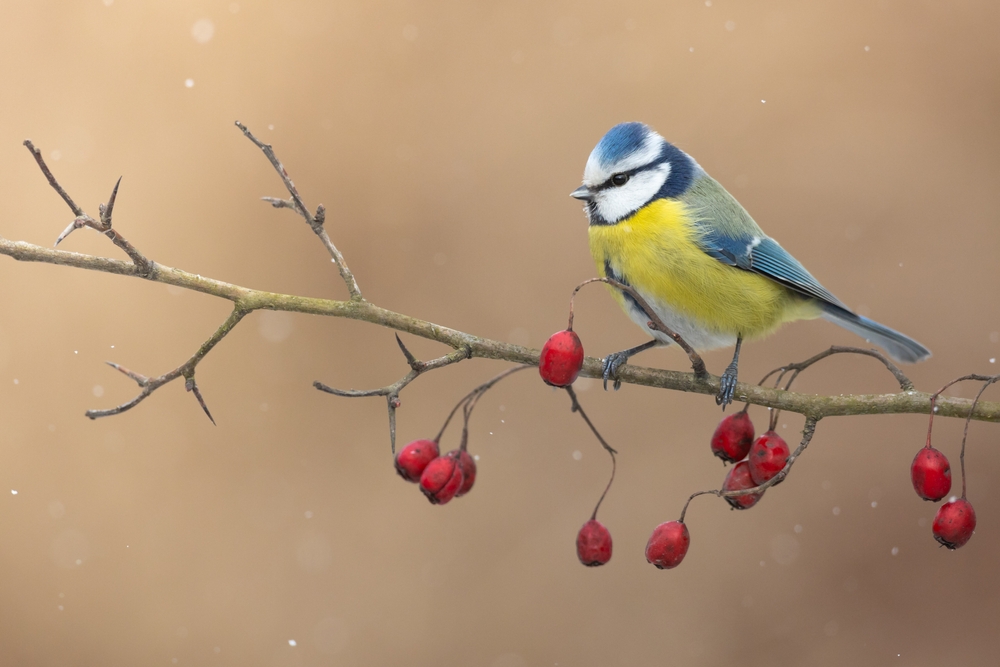
Winter gardens often get underestimated, as if the cold automatically means your yard has to turn into a barren wasteland. But winter is actually the perfect season to become a hero to hungry birds, roaming wildlife, and the little critters that don’t migrate when temperatures drop. When food becomes scarce and shelter becomes priceless, the plants you choose can transform your outdoor space into a thriving cold-season refuge.
Better yet, winter-friendly plants don’t just help nature—they add gorgeous texture, color, and personality to a season that desperately needs it. If you’re ready to create a backyard that bustles with life even when the world feels frozen, these seven wildlife-loving plants deserve a spot in your winter lineup.
1. Winterberry Holly
Winterberry Holly is the kind of plant that refuses to be ignored in winter, bursting with bright red berries when almost everything else has given up. Those berries are a magnet for robins, cedar waxwings, bluebirds, and dozens of other hungry winter visitors. The plant’s bare branches actually make the berries stand out more, turning it into a striking natural bird feeder. Wildlife also appreciates the dense woody structure, which offers sneaky shelter from wind and predators. It’s cheerful, tough, and impossible for birds to resist.
2. Red Osier Dogwood
Red Osier Dogwood brings a dramatic pop of color with stems so vibrantly red they look like they were painted on. While its berries appear earlier in the year, the plant keeps birds interested through winter by providing sturdy, protective cover. Its dense thickets are ideal for sparrows and juncos seeking a safe place to land during storms. Deer also enjoy browsing the stems, which makes this shrub a reliable food source when their options dwindle. If you want a plant that blends beauty with practicality, this dogwood is a winter MVP.
3. Eastern Red Cedar
Eastern Red Cedar acts like an all-season wildlife apartment complex thanks to its evergreen structure and blue-ish berry-like cones. Birds from waxwings to mockingbirds rely on those cones as a high-energy food source during winter. Small mammals also snack on them when pickings are slim. The tree’s dense branches provide crucial shelter from harsh winds, making it a top pick for wildlife seeking warmth and protection. It grows with minimal fuss, making it a great long-term anchor for any winter-friendly yard.
4. Black-Eyed Susan
While known for its bright summer blooms, Black-Eyed Susan has a winter superpower: its dried seed heads. Songbirds adore the seeds, often clinging to the stiff stems long after the flowers have faded. Leaving the seed heads intact over winter gives your garden a rustic, wild aesthetic that’s surprisingly elegant. Plus, the dried structure offers sneaky shelter for overwintering insects, which birds also love snacking on. It’s a simple, low-maintenance way to support wildlife during the coldest months.
5. American Beautyberry
American Beautyberry’s purple berries aren’t just gorgeous—they’re a cold-season buffet for cardinals, mockingbirds, and finches. The berries persist well into winter, giving wildlife an essential boost when most fruits are long gone. Even when snow falls, those vibrant clusters peek through, creating a splash of color that brightens even the dullest day. Its loose, arching form gives small animals places to hide and forage underneath. This plant proves that winter landscapes can be both functional and fabulously colorful.
6. Switchgrass
Switchgrass adds movement, texture, and warmth to winter landscapes with its tall, golden stalks. Birds love this grass for its abundant seeds, which cling to the airy plumes even in deep winter. The upright stems also offer nesting materials and shelter for ground-dwelling creatures. Because switchgrass stands tall against snow and wind, it becomes a natural winter windbreak for both wildlife and your garden beds. Its earthy aesthetic fits effortlessly into both wild meadows and manicured yards.
7. Serviceberry
Serviceberry is one of the most wildlife-friendly plants you can add to your yard, especially if you want to support birds year-round. Although its berries appear earlier in the year, the plant remains a winter favorite thanks to its bark, shelter, and structure. Birds and mammals frequently forage along its branches, seeking insects and leftover fruit. Its smooth, gray bark and elegant form add beauty to a snowy landscape. Serviceberry also supports a long list of native insects, creating a healthy mini-ecosystem even during winter’s quietest months.
Make Your Winter Garden Come Alive
Winter doesn’t have to mean silence, emptiness, or a backyard that looks forgotten. With the right plants, your garden can hum with activity, color, and life while supporting birds and wildlife that depend on cold-season food and shelter. These seven plants bring character and purpose to your outdoor space, proving that winter gardening is anything but dull.
If you’ve tried any of these or have your own favorite wildlife-friendly winter plants, share your thoughts, stories, or suggestions in the comments below.
You May Also Like…
How to Use Berry-Bearing Shrubs for Winter Garden Drama
13 Ways to Use Evergreens, Berries & Bark for Winter Garden Interest
8 Evergreen Shrubs That Give Your Garden Color All Winter
How to Make Your Yard a Haven for Birds and Pollinators This Winter
9 Shrubs With Berries Birds Rely on in Winter

Brandon Marcus is a staff writer for FrugalGardening.com at District Media, Inc., where he delivers practical gardening advice with a relatable, no-nonsense style. An avid amateur gardener, he holds a BA degree and with over ten years of professional writing experience, he is also an award-winning published author whose first book, Questions For Deep Thinkers, was released by Adams Media. His work has appeared in major publications including Fandom.com, CHUD.com, TheColdWire.com, and Fansided.com.
Leave a Reply