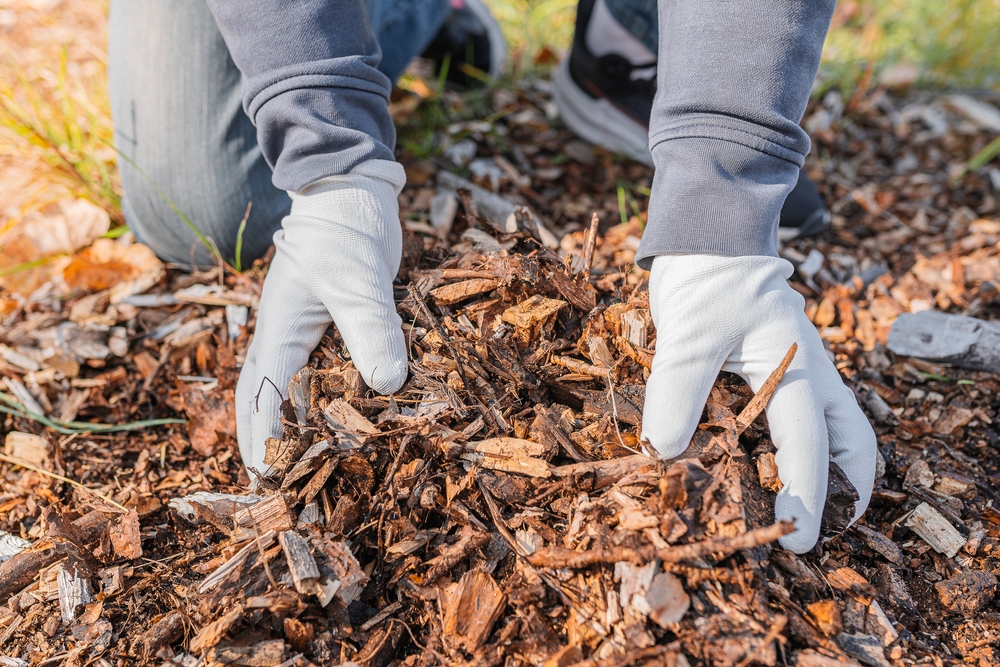
Your yard might look peaceful, but underneath that calm surface, a silent battle is unfolding—moisture escaping, weeds plotting their uprising, and soil temperatures rising and falling like a moody soundtrack. Mulch seems like the easy hero in this drama, but the real magic isn’t just in using mulch—it’s in getting the thickness right. Too thin, and your soil is basically wearing a T-shirt in a blizzard. Too thick, and it’s wrapped in a winter coat during a heatwave. In a world of unpredictable weather, stubborn weeds, and soil that’s trying its best to stay alive, mulch thickness suddenly matters more than ever.
The Goldilocks Zone Of Soil Protection
Mulch thickness plays a major role in how well your soil stays protected from the elements. If the layer is too thin, moisture evaporates quickly and the soil temperature swings wildly throughout the day. Too thick, however, and your plants may not get enough airflow, which can cause mold or root issues. Getting that “just right” middle ground means your garden can regulate moisture and temperature with impressive efficiency. When environmental stress hits, this perfect mulch layer becomes your soil’s best defense.
Weed Control Starts With The Right Depth
Weeds are relentless opportunists, and they thrive anywhere sunlight reaches the soil. A proper mulch thickness blocks light, which stops weed seeds from sprouting in the first place. When mulch is too thin, weeds poke through like they’re crashing a party with no security at the door. When it’s too thick, you risk giving moisture-loving weeds a cozy home to exploit. The ideal depth prevents these invaders from gaining traction while still allowing your plants to flourish without competition.
Mulch Thickness Helps Plants Handle Temperature Swings
Weather has become unpredictable in ways gardeners feel more than anyone. A well-calculated mulch layer insulates your plants’ roots, helping them ride out sudden heat waves or cool spells without stress. Thin mulch lets heat scorch the soil, while cold snaps can chill it too quickly for roots to adapt. Thick mulch helps buffer these extremes, but only at the correct depth that doesn’t smother the soil below. The right thickness means your plants stay stable even when the forecast doesn’t.
Moisture Conservation Depends On Balance
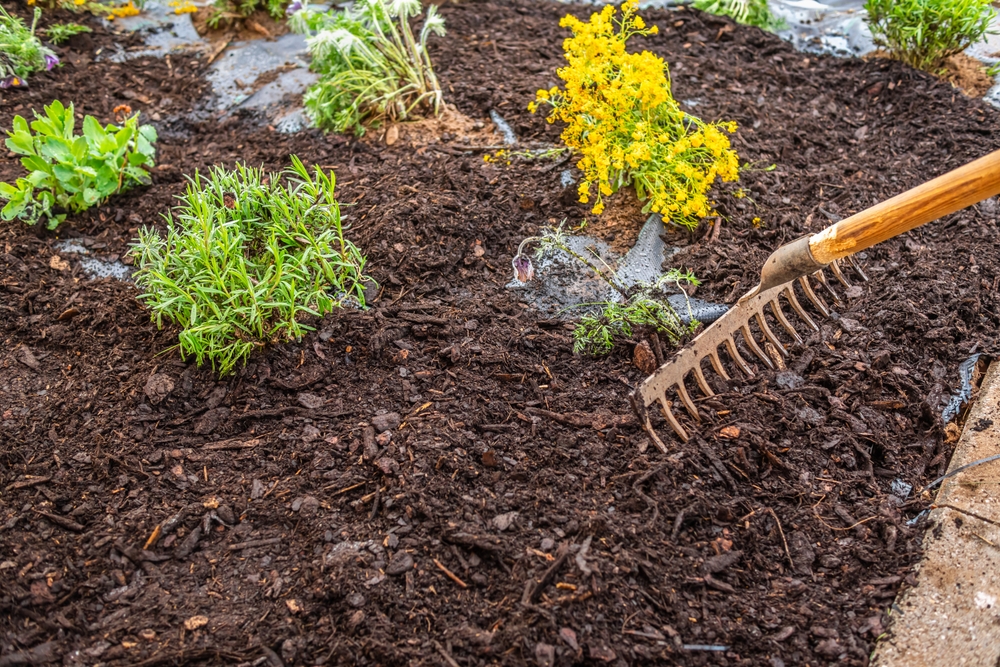
Water is precious, and mulch thickness determines how much of it your soil keeps or loses. A thin layer barely slows evaporation, which means more watering for you and less hydration for your plants. A layer that’s too thick can trap water longer than necessary and create soggy conditions. When mulch is applied correctly, it strikes the perfect balance—reducing waste while ensuring the soil maintains the ideal level of moisture. This balance becomes even more valuable during dry seasons or water restrictions.
Mulch Thickness Influences Soil Health Over Time
Healthy soil needs oxygen, organic material, and room for beneficial organisms to thrive. A moderate mulch depth nurtures that ecosystem by giving earthworms, microbes, and fungi the ideal habitat. Too little mulch leaves soil exposed and vulnerable, causing it to compact or erode. Too much mulch can become an impenetrable barrier that limits airflow and slows the decomposition process. The right thickness turns your mulch into a slow-release nutrient system, enriching your soil year after year.
Different Mulches Need Different Depths
Organic mulches like wood chips, bark, or straw break down over time, meaning their thickness changes as they decompose. Inorganic mulches like stones or rubber don’t shrink but require careful placement to prevent heat buildup. The challenge is knowing how each type behaves so you don’t accidentally under- or over-insulate your soil. Choosing the right mulch is only half the battle; applying it at the correct thickness ensures it actually performs as expected. Every material has its sweet spot, and understanding that makes all the difference.
Climate Shifts Make Mulch Thickness Even More Critical
As seasons become more unpredictable, mulching strategies that once worked without much thought now demand precision. Sudden storms, extreme temperatures, and longer dry periods put extra pressure on your soil. A properly measured mulch layer becomes a buffer against these fluctuations, protecting roots from fast, damaging changes. Thin mulch won’t shield your garden during extreme weather, while overly thick mulch can trap too much moisture during sudden rainfall. The right thickness gives your plants a fighting chance in a climate that isn’t playing fair.
Garden Aesthetics Improve With Intentional Thickness
Everyone loves a garden that looks beautifully maintained—not lumpy, patchy, or uneven. The thickness of mulch affects how neat and finished your landscaping appears from the curb. A thin layer looks neglected, while an overly thick layer can appear bulky or sloppy. When applied evenly at the ideal depth, mulch gives your garden that clean, polished look that even casual passersby notice. Beauty may not be the primary goal, but it certainly sweetens the deal.
Mulch Thickness Can Save You Time And Effort
Gardening already demands patience, planning, and more physical work than most people expect. Getting your mulch thickness right means fewer weeds to pull, less watering to manage, and fewer seasonal adjustments to fuss over. Thin mulch leads to constant maintenance, while thick mulch can turn into a mess you’ll have to correct later. But when the depth is just right, your garden becomes more self-sustaining and less reactive. That means more time enjoying your space and less time fixing preventable problems.
The Right Mulch Thickness Supports Stronger Plant Growth
Plants depend on stability, and mulch is one of the simplest ways to give them that foundation. With the correct thickness, roots grow deeper because they stay cooler, moister, and better protected. Growth becomes more consistent, and plants are less likely to experience stress-related setbacks. When mulch is misapplied, plants struggle silently until the symptoms finally appear. Getting this one detail right sets the stage for healthier blooms, stronger foliage, and more resilient plant life overall.
Your Mulch Thickness Might Matter More Than Anything Else
Mulch does far more than make your garden look tidy—it determines how well your soil, plants, and entire outdoor ecosystem function. The right depth boosts health, conserves water, protects against weather extremes, and makes your garden easier to maintain. With so many benefits hinging on something as simple as thickness, this one detail is worth paying attention to like never before.
Have you struggled with getting mulch depth right, or discovered a trick that changed your garden game? Give us your your thoughts, experiments, or mulch stories in the comments section.
You May Also Like…
Why Cardboard Mulch Might Be the Secret Weapon Your Soil Needs
Why Perennial Beds Benefit From Extra Mulch Now
How to Mow and Mulch for a Perfect Lawn Come Spring
Why Soil Tilth Improves After Frost
Your Raised Beds Need This One Winter Trick Before the Ground Freezes

Brandon Marcus is a staff writer for FrugalGardening.com at District Media, Inc., where he delivers practical gardening advice with a relatable, no-nonsense style. An avid amateur gardener, he holds a BA degree and with over ten years of professional writing experience, he is also an award-winning published author whose first book, Questions For Deep Thinkers, was released by Adams Media. His work has appeared in major publications including Fandom.com, CHUD.com, TheColdWire.com, and Fansided.com.
Leave a Reply