
There’s a moment every gardener knows too well: you step outside expecting to admire your beautifully mulched garden bed, only to realize it looks like it’s sagging, settling, or sinking as if the earth decided to take a long nap. The first instinct is to panic—did you do something wrong, did critters move in, or is your garden bed staging a quiet protest?
The truth is far less dramatic but far more fascinating. Leaf mulching, for all its benefits, sets off a chain reaction beneath the surface that most gardeners never notice until the soil level starts creeping downward. If your once-fluffy garden bed now looks like it’s slowly swallowing itself, you’re about to learn exactly why.
The Natural Breakdown Process
When leaves enter your garden bed, they begin breaking down almost immediately, even if they still look perfectly intact on the surface. Microorganisms, worms, and beneficial fungi rush in like a cleanup crew ready to turn your mulch into nutrient-rich soil. This decomposition process causes the volume of the leaves to shrink dramatically, which in turn lowers the overall height of the bed. Even thick, crunchy leaves compact quickly once moisture softens them. The more decomposition happens beneath your mulch layer, the more your garden bed appears to sink.
Soil Compression From Added Weight
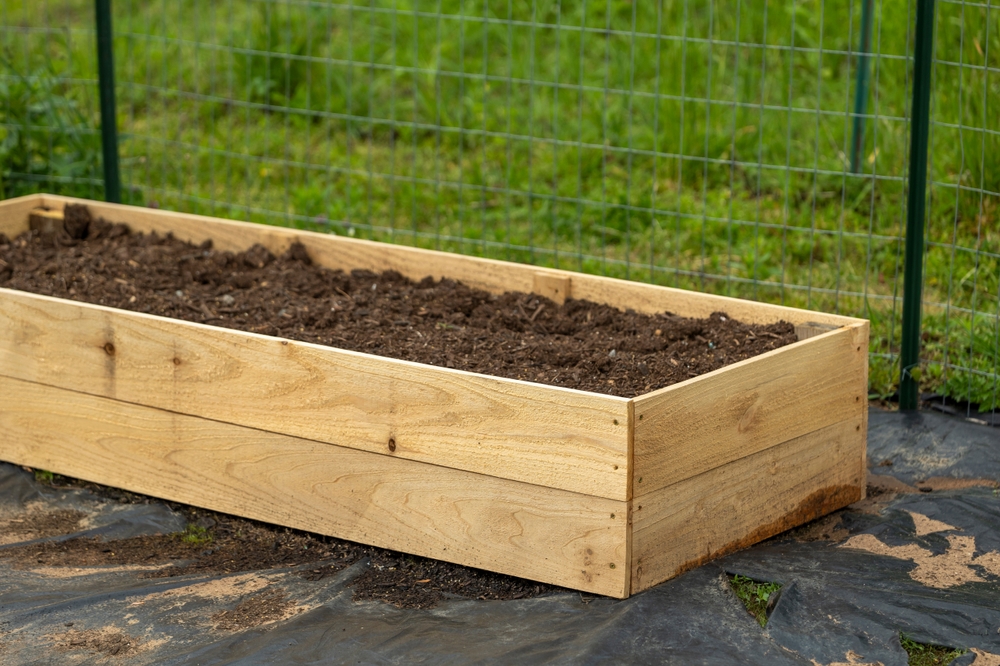
Leaf mulch is light when you’re spreading it, but once it absorbs water, it becomes surprisingly heavy. That added weight puts pressure on the soil beneath it, pressing it downward and compacting it over time. Compaction reduces the air pockets that keep soil loose and fluffy, which makes the ground settle more quickly. Even raised beds aren’t immune—gravity works the same everywhere. As the mulch layer slowly gets heavier and denser, the soil responds by sinking slightly each week.
Microbial Activity Increases Soil Movement
Every gardener wants a thriving microbial ecosystem, but those tiny organisms are surprisingly active movers. As microbes break down organic matter, they cause shifts, collapses, and rearrangements in the soil structure. Spaces that were once filled with decaying leaf material become empty, causing the soil above them to drop. The result is a natural “settling” effect that makes it look like your beds are sinking. It’s essentially the garden version of a house settling into its foundation—normal, expected, and completely natural.
Earthworms Reshaping the Landscape
Earthworms are incredible allies, but they’re also tiny excavators working nonstop in your garden. As they pull leaf pieces underground, they create tunnels and chambers that eventually collapse as the worms move on. This movement redistributes soil in ways that aren’t always visible from the surface but are absolutely noticeable in the long run. More earthworm activity means more shifting and sinking. Leaf mulch attracts worms in droves, which accelerates this process even more.
Mulch Layers Compressing Over Time
Mulch never stays as fluffy as it looks on day one. Wind, rain, microbial heat, and natural settling cause the layer to compress over time. What started as a three-inch layer may compress into just one inch after a few weeks. As the mulch layer shrinks, it exposes soil that seems lower than before. This visual illusion adds to the appearance that your entire garden bed has sunk dramatically.
Moisture Cycles Affect Soil Structure
Water has a powerful effect on soil, especially when leaf mulch enters the equation. As the mulch absorbs rain, it expands and then condenses when it dries, creating a push-and-pull motion on the soil beneath it. This repeated expansion and contraction can cause soil particles to shift downward. It’s similar to what happens with freeze-thaw cycles in colder climates, just on a smaller scale. The constant moisture fluctuation accelerates settling and makes sinking more noticeable after several weeks.
Leaves Adding Organic Matter to the Soil
One of the greatest benefits of leaf mulch is its ability to turn into organic matter that enriches your soil. But in the process of becoming beautiful, dark humus, the leaf material loses volume. What was once a thick layer of leaves becomes a thin layer of nutrients woven into the soil profile. This transformation is good news for your plants but surprising for your eyes. The bed level drops because the leaves have literally become smaller, denser, and more compact within the soil.
Hidden Air Pockets Collapsing Below the Surface
Every garden bed has hidden gaps and spaces between soil particles, roots, and decaying organic matter. Leaf mulch accelerates the breakdown of that material, which removes the physical structures that held those spaces open. When they collapse, the soil above them settles like a soufflé losing its rise. The process happens gradually, sometimes so subtly you don’t notice until one day the bed looks mysteriously lower. This collapse is completely natural and often signals a healthy soil ecosystem.
Roots Growing, Shrinking, and Shifting
Plants themselves can contribute to the sinking effect, especially during heavy mulching seasons. As roots expand, die back, and regrow, they alter the soil structure around them. Leaf mulch encourages plant growth by keeping moisture levels high, but that also means roots are constantly reshaping their underground real estate. When roots shrink or die back in cooler months, the soil above them may sink slightly. Combined with mulch decomposition, the effect becomes even more noticeable.
Why This Sinking Is Actually a Good Sign
Although sinking garden beds may feel alarming, it usually means your soil is thriving. Decomposition, microbial activity, earthworms, and organic matter integration all point to a living, dynamic ecosystem. Gardeners spend years trying to create soil that transforms organic matter efficiently, and leaf mulch accelerates that process beautifully. The sinking doesn’t signal a problem—it signals success. If anything, it tells you your soil is becoming richer, more fertile, and better suited for strong plant growth.
Your Garden Is Sinking Because It’s Thriving
Sinking garden beds after leaf mulching can look like a sign that something is wrong, but it’s actually a natural part of soil transformation. Every shift, shrink, and settling inch is evidence that your soil is alive and working hard. Instead of worrying, you can celebrate the hidden activity happening beneath your mulch.
If you’ve seen your own garden bed sink or have a unique story about mulching surprises, share your thoughts or experiences in the comments below. Your insight might be exactly what another gardener needs.
You May Also Like…
- Why Mulching Improves Soil Microclimate in Winter
- 11 Mulching Mistakes That Can Suffocate Roots
- Low-Cost Mulching Options for Weed Control and Soil Health
- The One Mulch That Protects Strawberry Beds Better Than Plastic
- 6 Flower Beds That Benefit From Fall Re-Edging

Brandon Marcus is a staff writer for FrugalGardening.com at District Media, Inc., where he delivers practical gardening advice with a relatable, no-nonsense style. An avid amateur gardener, he holds a BA degree and with over ten years of professional writing experience, he is also an award-winning published author whose first book, Questions For Deep Thinkers, was released by Adams Media. His work has appeared in major publications including Fandom.com, CHUD.com, TheColdWire.com, and Fansided.com.
Leave a Reply