Small gardens reward smart choices, and late summer offers one last chance to squeeze impressive harvests from every available inch. The right crops grow quickly, tolerate cooling temperatures, and keep producing long after many summer favorites start calling it quits.
A few empty spots in a raised bed or backyard plot can turn into baskets of fresh vegetables with surprisingly little effort. Instead of letting valuable garden space sit empty, late summer planting transforms tired beds into productive patches packed with crisp greens, colorful roots, and flavorful vegetables that often taste even better as temperatures begin to cool.
1. Radishes Deliver Almost Instant Gratification
Few vegetables reward impatient gardeners quite like radishes. Many varieties mature in less than a month, making them one of the fastest crops available for filling empty spaces after tomatoes, onions, or garlic come out of the garden. Cool nights often improve their flavor, producing crisp roots with less bitterness than spring heat sometimes creates. Even small containers can produce an impressive harvest because radishes require very little room to develop. A short growing season also allows several successive plantings before frost arrives.
Freshly harvested radishes rarely resemble the oversized, woody versions that sometimes linger in grocery store bins. Regular watering keeps roots tender, while loose soil encourages smooth, evenly shaped bulbs. Gardeners often overlook the leafy tops, yet those greens add a peppery kick to salads or stir-fries. A simple trick makes the harvest stretch even farther by sowing a short row every week instead of planting everything at once. That steady rotation keeps fresh radishes coming without overwhelming the kitchen.
2. Leaf Lettuce Refuses to Quit
Leaf lettuce turns late summer into salad season all over again. Unlike heading varieties that require more time, loose-leaf types grow quickly and allow repeated harvesting by removing only the outer leaves. Each harvest encourages fresh growth from the center, keeping plants productive for weeks. Cooler evenings also improve texture, creating sweeter leaves with less bitterness. A small corner of the garden suddenly becomes a dependable salad bar.
Afternoon shade helps lettuce handle lingering summer heat during its early growth. Consistent moisture keeps leaves tender while reducing the chance of premature bolting. Mixing green and red varieties creates colorful harvests without requiring additional space. Gardeners who harvest frequently often discover that a handful of fresh lettuce picked minutes before dinner tastes noticeably brighter than anything wrapped in plastic. That simple pleasure makes every square foot feel well spent.
3. Spinach Loves the Changing Season
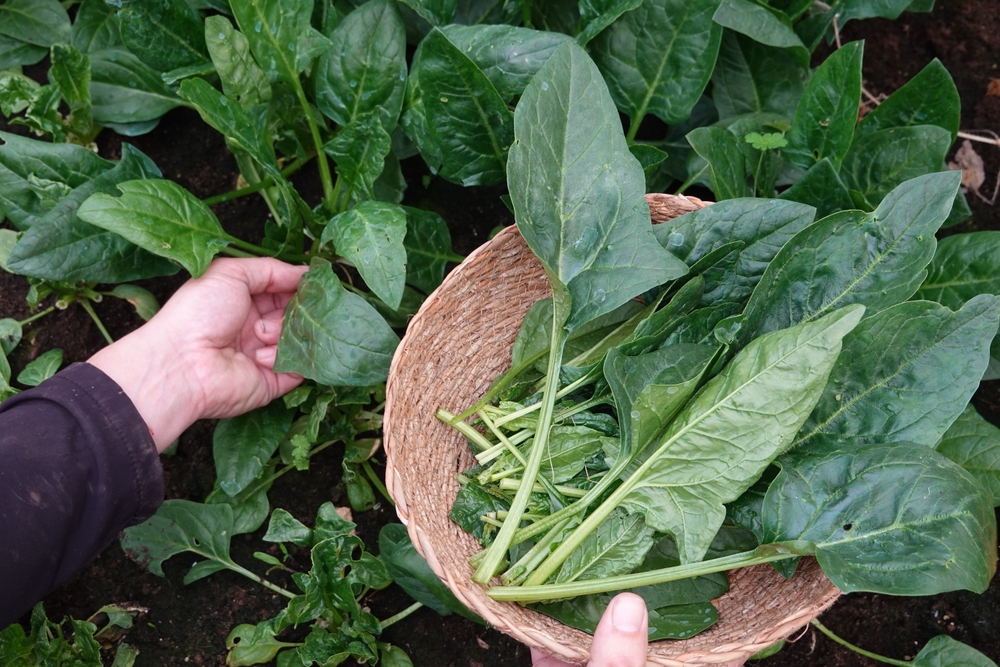
Spinach often struggles during the hottest weeks of summer, but late-season planting completely changes the story. As temperatures begin dropping, plants produce thick, flavorful leaves instead of rushing toward flowers. Many gardeners actually prefer fall spinach because cool weather creates sweeter flavor and better texture. The crop also handles light frosts with surprising ease, extending harvest opportunities well into autumn. That resilience gives spinach tremendous value in compact gardens.
Rich soil and steady moisture encourage steady growth without much fuss. Harvesting individual leaves instead of pulling entire plants stretches production over several weeks. A small planting supplies enough greens for salads, sandwiches, smoothies, or quick sautés without demanding much garden space. Fresh spinach also packs plenty of nutritional value, adding vitamins and minerals to meals while requiring very little maintenance. Few crops combine productivity and versatility quite so successfully.
4. Bush Beans Keep the Harvest Going
Many gardeners associate beans with spring planting, yet bush beans still perform beautifully during late summer in many regions. Fast-maturing varieties produce generous harvests before cool weather settles in, especially when planted early enough to match the local frost schedule. Compact plants fit neatly into raised beds or narrow garden rows without sprawling across neighboring crops. Every harvest also encourages another flush of tender pods. That cycle keeps dinner plates full for weeks.
Frequent picking makes all the difference with bush beans. Pods taste best while still young and crisp, and regular harvesting keeps plants focused on producing more beans instead of mature seeds. Healthy plants rarely require elaborate care beyond consistent watering during dry periods. Fresh beans picked straight from the garden deliver remarkable sweetness that canned or shipped versions simply cannot match. One short row often surprises gardeners with just how much food it produces.
5. Baby Carrots Make Every Inch Count
Carrots deserve far more attention during late summer planting. Fast-growing baby varieties mature sooner than larger storage types while slipping easily into narrow spaces between other vegetables. Loose, stone-free soil allows roots to grow straight without awkward twists or forks. Cool weather gradually improves sweetness as natural sugars develop inside the roots. Every harvest feels like pulling colorful little treasures from the ground.
Patience plays an important role because carrot seeds germinate more slowly than many other vegetables. Keeping the soil consistently moist during that early stage greatly improves success. Once established, plants require surprisingly little attention beyond occasional thinning to provide enough room for healthy roots. Those tiny thinned carrots often become tasty snacks instead of waste. Even gardeners with modest raised beds can enjoy generous harvests from surprisingly small planting areas.
6. Arugula Brings Big Flavor in Small Spaces
Arugula proves that bold flavor does not require a large garden. This peppery green grows rapidly and fills salads, sandwiches, pizzas, and pasta dishes with lively character. Cooler temperatures soften some of its sharper bite while preserving the distinctive taste that fans appreciate. Plants bounce back quickly after harvesting, allowing several rounds of fresh leaves from the same space. That repeated production makes arugula one of late summer’s best bargains.
Gardeners sometimes hesitate because arugula develops a reputation for bolting quickly in spring. Late summer planting largely solves that problem as shortening days and cooler weather slow flower production. Mixing arugula with milder lettuce creates balanced salads full of texture and flavor without requiring extra ingredients. A single packet of seeds can provide weeks of fresh greens from a surprisingly tiny footprint. Small gardens benefit enormously from crops that refuse to waste valuable space.
Small Spaces Can Finish Strong
Late summer does not signal the end of the gardening season. Instead, it opens the door to fast-growing vegetables that turn empty patches into productive beds once again. Choosing crops that mature quickly, tolerate cooler weather, and deliver repeated harvests helps every square foot work harder. A little planning today often leads to crisp salads, sweet carrots, fresh beans, and colorful harvest baskets well into autumn. Sometimes the most satisfying garden harvests arrive after many people assume the season has already ended.
What late-summer crop always earns a spot in the garden? Give us your favorite picks and growing tips in our comments section below.
You May Also Like…
5 Vegetables That Can Handle a Shadier Summer Corner
5 Reasons Tabletop Vegetable Gardens Work Well for Renters
What Is the Best Use for Tomato Suckers You Remove?
What Should You Do With Garlic Beds After Harvest?
The Crops Worth Planting Now If Grocery Produce Keeps Rising

Brandon Marcus is a staff writer for FrugalGardening.com at District Media, Inc., where he delivers practical gardening advice with a relatable, no-nonsense style. An avid amateur gardener, he holds a BA degree and with over ten years of professional writing experience, he is also an award-winning published author whose first book, Questions For Deep Thinkers, was released by Adams Media. His work has appeared in major publications including Fandom.com, CHUD.com, TheColdWire.com, and Fansided.com.
Leave a Reply