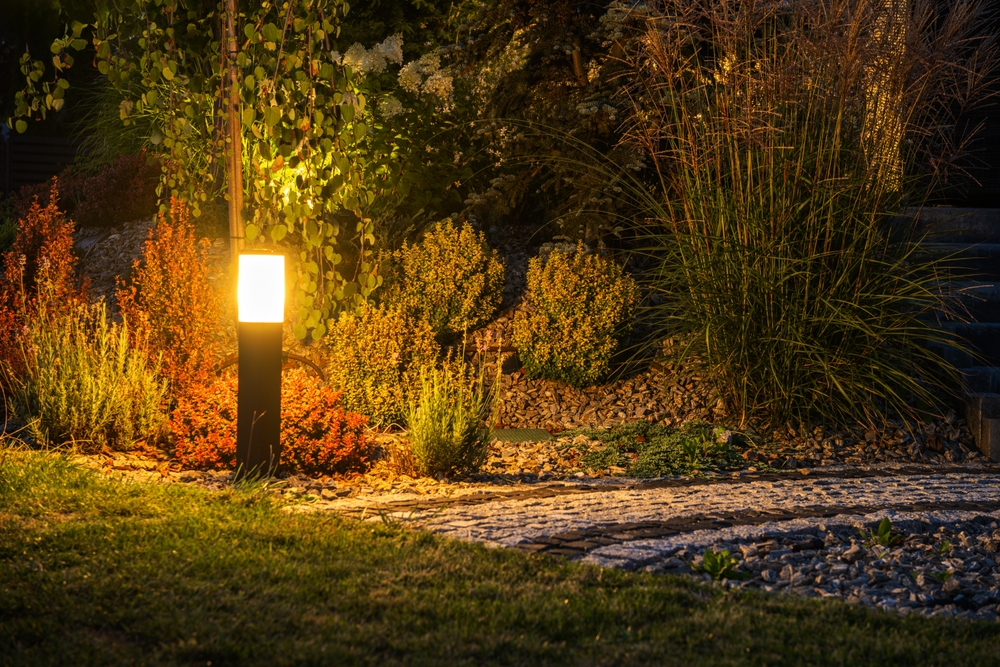
The modern garden no longer shuts down when the sun slips below the horizon. More homeowners now plan flower beds, patios, pathways, and plant choices around the hours after dinner, turning ordinary backyards into comfortable outdoor living spaces that stay inviting well into the evening.
That shift makes perfect sense. Daytime often disappears into work, errands, and endless to-do lists, while evenings finally offer a chance to relax outside with family, friends, or even a good book. A garden that looks beautiful under soft lighting and fills the air with fragrance delivers a completely different experience than one designed only for bright afternoon sunshine. Suddenly, the backyard becomes less like a chore and more like the favorite room in the house.
Gardens Have Become Outdoor Living Rooms
Garden design has moved far beyond rows of flowers and neatly trimmed hedges. Today’s landscapes often include dining areas, comfortable seating, fire pits, water features, and winding paths that encourage people to linger after sunset. Evening use now influences everything from plant placement to furniture selection because homeowners want spaces that feel welcoming when temperatures cool down.
That shift also changes how gardeners think about the entire property. Instead of creating one impressive flower bed that shines at noon, many now build smaller “garden rooms” connected by gently lit walkways and surrounded by layers of foliage. A simple bench beneath a small ornamental tree suddenly becomes the perfect place to enjoy a cool summer evening. The garden gains personality because people actually spend time in it instead of merely admiring it through a window.
Plants Can Put On a Nighttime Performance
Many plants save some of their greatest charms for the evening. White flowers catch every bit of fading light, making blooms appear almost luminous as darkness settles across the yard. Pale blossoms from flowering tobacco, moonflower, white phlox, and certain lilies almost glow against darker foliage, creating dramatic focal points without requiring bright lighting.
Fragrance also takes center stage after sunset. Sweet alyssum, jasmine, nicotiana, and garden phlox release stronger scents as temperatures drop, filling patios with pleasant aromas that daytime visitors often miss. Moths and other nighttime pollinators also visit many of these flowers, adding another fascinating layer to the garden’s evening activity. A few carefully chosen plants can transform an ordinary backyard into something that feels almost enchanted.
Lighting Shapes the Entire Experience
Good garden lighting never tries to imitate daylight. Soft, warm illumination creates atmosphere while allowing plants, shadows, and textures to remain part of the experience instead of washing everything out with harsh brightness. Low-voltage landscape lights, solar path lights, lanterns, and carefully placed uplights help visitors move safely while highlighting favorite trees, sculptures, or flower beds.
Restraint usually produces the best results. Too many lights flatten the landscape and remove the mystery that makes nighttime gardens so appealing. Gentle lighting along pathways reduces trip hazards, while small accent lights beneath ornamental trees create beautiful silhouettes without overwhelming the space. The goal involves creating comfort rather than turning the backyard into a brightly lit parking lot.
Cooler Evenings Invite Longer Visits Outside
Summer afternoons can become uncomfortably hot in many regions, making gardening or relaxing outdoors feel like hard work instead of recreation. Evening temperatures often provide welcome relief, encouraging families to eat dinner outside, entertain neighbors, or simply unwind after a busy day. Garden design naturally follows those changing habits.
Shade structures also play an important role because pergolas, small trees, and climbing vines continue providing visual interest after sunset. Comfortable seating, outdoor rugs, and weather-resistant cushions help blur the line between indoor and outdoor spaces. Even a modest backyard begins to feel much larger when every corner encourages people to slow down and stay awhile. That extra living space often becomes one of the most appreciated parts of the home.
Wildlife Brings New Energy After Dark
Many gardeners discover that nighttime reveals an entirely different ecosystem. Frogs begin calling from ponds, crickets create a steady soundtrack, and bats quietly patrol the sky in search of mosquitoes. Watching this nightly transition reminds people that gardens support far more than colorful flowers and butterflies.
Thoughtful design can encourage this natural activity without sacrificing comfort. Native shrubs provide shelter, water features attract beneficial wildlife, and diverse plantings create habitat throughout the landscape. Gardeners should also avoid excessive outdoor lighting because overly bright fixtures can disrupt insects, birds, and other nighttime creatures. A balanced approach keeps the garden lively while respecting the natural rhythms that make evenings so enjoyable.
Evening Gardens Reward Every Season
Designing around evening use does not require a complete landscape makeover or an unlimited budget. A handful of fragrant plants, several white-flowering perennials, comfortable seating, and carefully placed lighting can completely change how a garden feels after sunset. Small improvements often produce surprisingly dramatic results because they encourage people to spend more time appreciating the space they already have.
The growing popularity of evening gardens reflects a simple truth. People want outdoor spaces that fit real life rather than ideal gardening schedules. By embracing cooler temperatures, softer light, fragrant blooms, and peaceful surroundings, a backyard becomes more than a collection of plants. It becomes a destination where ordinary evenings feel just a little more memorable.
Does the backyard become a favorite place after sunset, or does it still close for the night? Share favorite evening garden ideas and experiences in the comments below.
You May Also Like…
The Backyard Garden Design Trend Everyone Is Copying in 2026
5 Budget Vegetable Patch Designs for Small Yards
Design a Winter Garden That Looks Just as Good Without Flowers
How to Redesign Your Bulb Garden After This Year’s Mistakes
Why Are More Gardeners Choosing Plants With Multiple Uses?

Brandon Marcus is a staff writer for FrugalGardening.com at District Media, Inc., where he delivers practical gardening advice with a relatable, no-nonsense style. An avid amateur gardener, he holds a BA degree and with over ten years of professional writing experience, he is also an award-winning published author whose first book, Questions For Deep Thinkers, was released by Adams Media. His work has appeared in major publications including Fandom.com, CHUD.com, TheColdWire.com, and Fansided.com.
Leave a Reply