A beautiful garden does not have to come with a shocking water bill or hours spent dragging hoses across the yard. A few smart habits can stretch every drop of water while helping flowers, vegetables, herbs, and shrubs stay healthy through hot weather. The secret does not involve fancy gadgets or expensive equipment. It starts with working alongside nature instead of fighting it.
Dry spells, rising temperatures, and watering restrictions have encouraged many gardeners to rethink old routines. Fortunately, some of the most effective solutions have existed for generations. Collecting rainwater, feeding the soil with compost, and watering during the coolest parts of the day all help plants make better use of available moisture. Those simple changes often create stronger gardens that require less work over time.
Rainwater Gives Plants a Natural Advantage
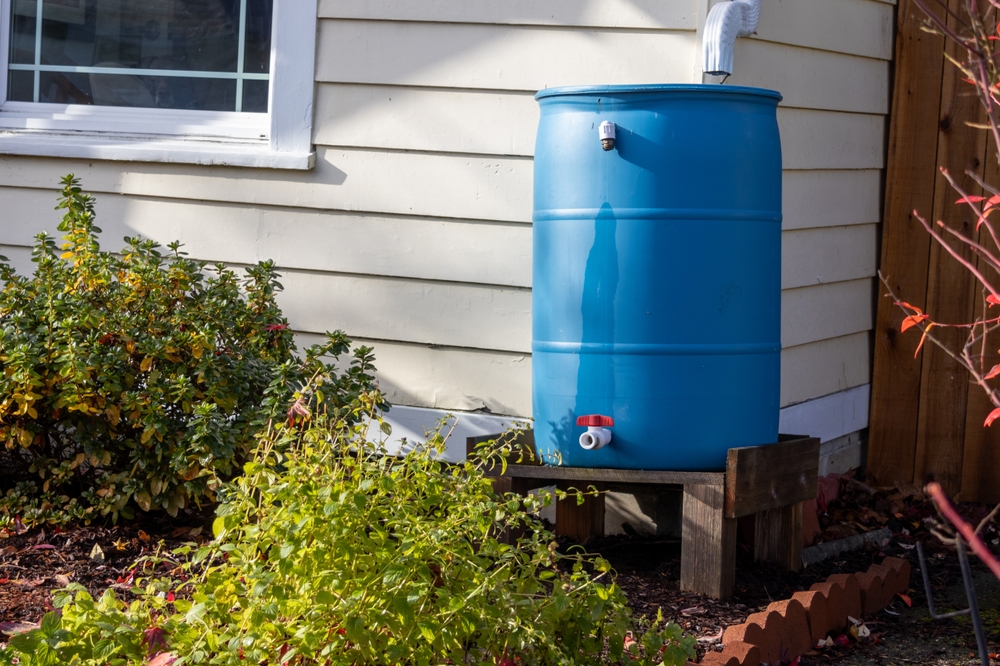
Rainwater offers plants a gentle drink without many of the minerals and additives commonly found in treated tap water. A simple rain barrel placed beneath a downspout can collect surprising amounts of water during a single rainfall, giving gardeners a free source of irrigation for dry days. Many communities even encourage rainwater collection because it reduces stormwater runoff while conserving treated drinking water. That makes every rain shower feel like a small investment in the garden’s future.
Collected rainwater works especially well for containers, vegetable beds, ornamental plants, and young seedlings that need consistent moisture. Gardeners should always cover rain barrels with a secure lid or fine screen to keep mosquitoes, leaves, and debris out of the stored water. Regularly cleaning gutters and checking the barrel for cracks also keeps the system working smoothly. Even a modest collection setup can reduce reliance on outdoor faucets throughout the growing season.
Compost Turns Soil Into a Moisture-Holding Champion
Healthy soil behaves like a sponge, and compost helps create that sponge. Finished compost adds organic matter that improves soil structure, allowing it to absorb rainfall more efficiently while holding moisture around plant roots for longer periods. Instead of watching water rush away after a summer shower, gardeners often notice that compost-enriched soil keeps plants hydrated long after the surface dries. That means fewer watering sessions and healthier root systems.
Kitchen vegetable scraps, coffee grounds, crushed eggshells, and fallen leaves all contribute valuable ingredients for compost when combined properly. Finished compost should smell earthy rather than sour and should look dark, crumbly, and rich before gardeners spread it around plants. Mixing compost into garden beds every season gradually builds better soil instead of providing only a temporary improvement. Over time, that steady investment rewards gardeners with plants that handle hot weather far more comfortably.
Watering at Dawn or Dusk Makes Every Drop Count
Timing changes everything when watering a garden. Early morning usually provides the ideal window because cooler temperatures and calmer winds allow water to soak into the soil before the sun begins heating the ground. Plant leaves also dry quickly after sunrise, which helps reduce conditions that encourage certain fungal diseases. The result is healthier plants that receive more benefit from every watering session.
Evening watering also works well when morning schedules become hectic, although gardeners should avoid soaking foliage late at night whenever possible. Directing water toward the base of each plant instead of spraying leaves limits evaporation while delivering moisture exactly where roots need it most. Slow, deep watering encourages roots to grow downward in search of moisture instead of remaining near the surface. Plants with deeper roots often tolerate heat much better than those that receive frequent shallow watering.
Small Habits Create Big Water Savings
Mulch deserves a place alongside rainwater collection and compost because it locks moisture into the soil after watering or rainfall. A layer of shredded bark, straw, wood chips, or other organic mulch slows evaporation, keeps soil temperatures more stable, and discourages weeds that compete for valuable water. Garden beds covered with mulch often stay damp much longer than bare soil exposed directly to summer sunshine. That simple layer also reduces soil splashing during heavy rain, helping keep leaves cleaner.
Grouping plants with similar water needs also simplifies irrigation and prevents waste. Moisture-loving vegetables can share one section of the garden while drought-tolerant herbs and ornamental plants occupy another. Checking soil moisture before watering also prevents unnecessary irrigation because the surface may appear dry while deeper soil still holds plenty of water. A quick finger test several inches below the surface often reveals whether plants actually need another drink.
Every Drop Builds a Better Garden
Water-smart gardening does not require perfection or expensive upgrades. Small changes, repeated consistently, often deliver the biggest rewards over an entire growing season. A rain barrel catches valuable water that would otherwise disappear down a drain, compost helps soil store that water longer, and thoughtful watering schedules help plants use every drop efficiently. Those habits work together instead of competing with one another.
The biggest surprise may come at harvest time. Gardens cared for with healthy soil and consistent moisture frequently produce stronger vegetables, brighter flowers, and sturdier plants than gardens that receive frequent but inefficient watering. Less waste, healthier roots, and better soil create a combination that benefits both gardeners and the environment. Water-smart gardening proves that working a little smarter often produces results that feel much bigger than the effort involved.
What water-saving gardening habit has made the biggest difference in your yard, and which one would you like to try next? Share your experience in the comments below.
You May Also Like…
Growing with Graywater: Use Shower and Bath Water to Irrigate Ornamentals Safely
The Heat-Wave Watering Mistake That Can Kill Container Gardens
Smart Garden Tech: Drip Irrigation and Soil-Moisture Sensors Conserve Water and Money
The Morning Watering Rule: Why Timing Impacts Growth More Than Quantity
Why “Self-Watering” Pots are Often a Waste of Cash (And How to DIY Them)

Brandon Marcus is a staff writer for FrugalGardening.com at District Media, Inc., where he delivers practical gardening advice with a relatable, no-nonsense style. An avid amateur gardener, he holds a BA degree and with over ten years of professional writing experience, he is also an award-winning published author whose first book, Questions For Deep Thinkers, was released by Adams Media. His work has appeared in major publications including Fandom.com, CHUD.com, TheColdWire.com, and Fansided.com.
Leave a Reply