A scorching heat wave can turn a beautiful container garden into a wilted mess faster than most gardeners expect. The biggest mistake is not always forgetting to water, but watering the wrong way at the wrong time and leaving roots struggling in a cycle of stress.
Container plants face a tougher summer challenge than plants growing in the ground because pots heat up quickly and hold a smaller amount of soil. A smart watering routine helps flowers, herbs, and vegetables handle hot weather without drowning roots or leaving plants desperate for moisture.
The Midday Splash That Tricks Gardeners Into Trouble
Watering containers during the hottest part of the day feels like a rescue mission, but it often creates disappointing results. Hot potting soil can cause water to evaporate before it reaches the deeper roots that need it most. The plant may look refreshed for a short time, yet the roots still face dry conditions below the surface. Morning watering gives moisture a better chance to soak into the container before temperatures climb. Evening watering also works in many situations, but gardeners should avoid keeping foliage wet overnight because some plants face higher disease risks with prolonged damp leaves.
Many gardeners make another heat-wave mistake by giving containers a quick sprinkle every few hours. That approach encourages shallow root growth because moisture stays near the surface instead of moving downward. A slow, deep watering session helps roots grow farther into the potting mix and access moisture more consistently. Containers with drainage holes should receive enough water to allow some runoff because that shows the entire root zone received moisture. A tiny splash from a watering can often feels helpful, but it usually only wets the top layer.
The Hidden Heat Problem Inside Pots and Planters
Container gardens create a unique summer environment because pots absorb heat from sunlight, especially dark-colored containers sitting on patios, balconies, and driveways. The roots inside those containers cannot escape rising temperatures the way underground roots can in garden beds. When roots experience extreme heat and dry soil at the same time, plants quickly show signs of stress through drooping leaves, faded flowers, and slowed growth. Moving containers into afternoon shade or grouping pots together can reduce heat exposure. Adding mulch on top of the soil also helps slow moisture loss and keeps temperature swings more manageable.
The type of container also changes how quickly plants need water during a heat wave. Terracotta pots allow moisture to escape through their porous sides, while glazed ceramic and plastic containers usually hold water longer. Small containers dry out faster because they contain less soil to store moisture between watering sessions. A gardener who waters a large planter once a day may need to check a small herb pot much more often. The calendar matters less than the actual condition of the soil.
The Drainage Mistake That Looks Like Drought
One surprising container gardening problem appears when plants look thirsty even though the soil feels wet. Poor drainage can leave roots sitting in soggy soil, which limits oxygen around the roots and creates conditions that damage the plant. Gardeners often respond by adding more water, but that only makes the problem worse. Checking drainage holes and using quality potting mix can prevent this confusing situation. Healthy containers need both moisture and airflow around the roots.
Another common issue involves using garden soil in containers instead of a lightweight potting mix. Garden soil often becomes compacted inside pots, making it difficult for water and air to move properly. A container needs a mix designed for pots because roots depend on the balance between moisture retention and drainage. During extreme heat, that balance becomes even more important because plants face faster moisture loss. A good container setup makes summer care much easier and prevents many avoidable problems.
The Simple Heat-Wave Routine That Saves Potted Plants
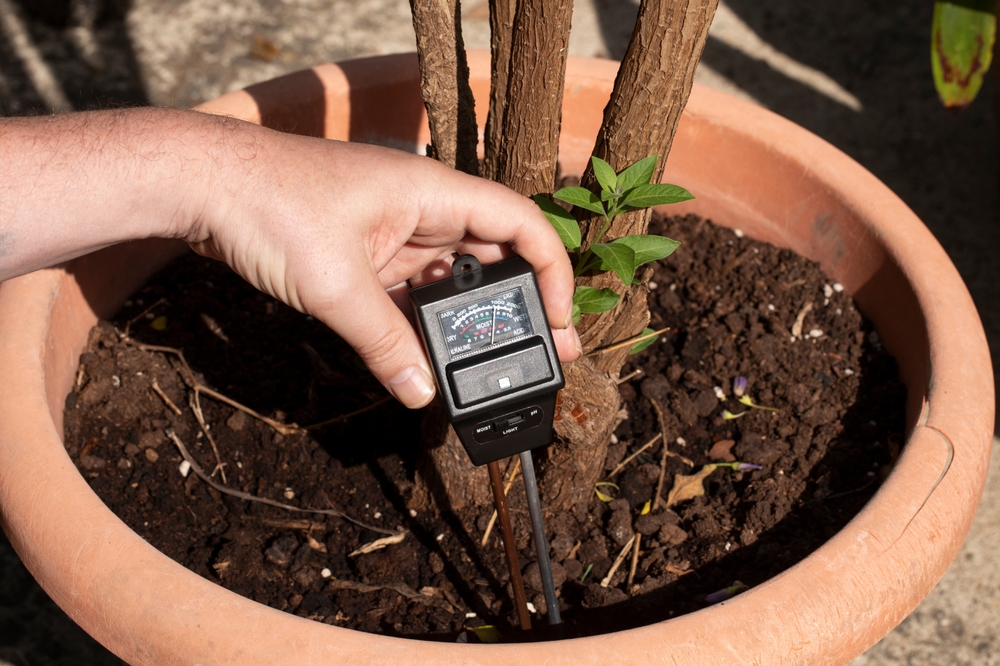
A reliable summer routine starts with checking soil moisture before reaching for the hose or watering can. Push a finger a couple of inches into the soil, or use a moisture meter, to see whether the container actually needs water. Plants with different needs may share the same patio, so gardeners should avoid treating every pot exactly the same. Tomatoes, peppers, and thirsty annual flowers often need more frequent watering than drought-tolerant herbs or succulents. Paying attention to each plant’s signals helps prevent both underwatering and overwatering.
The best defense against heat-wave damage combines good timing, proper containers, and regular observation. A gardener does not need complicated tools or a strict schedule to keep potted plants healthy through hot spells. Small adjustments, such as moving pots away from reflected heat and watering deeply in the morning, often make a dramatic difference. Container gardening rewards attention because plants quickly show what they need. The key lesson is simple: during a heat wave, thoughtful watering beats frequent watering every time.
The One Watering Habit Worth Changing Before the Next Heat Wave
The fastest way to damage a container garden during extreme heat is to react with random watering instead of a consistent plan. Plants need moisture that reaches their roots, not just a quick splash that disappears from the surface. Gardeners who change their timing, improve drainage, and watch soil conditions give their containers a much better chance during brutal summer weather. A few minutes of careful checking can prevent days of frustration after plants begin showing heat damage. The healthiest container gardens usually come from simple habits repeated at the right moments.
What watering trick has helped your container plants survive the hottest days of summer, and what mistakes have you learned from along the way?
You May Also Like…
Why More Americans Are Looking for Low-Water Gardening Solutions
Drought‑Resistant Herbs and Spices: Rosemary, Thyme and Sage Thrive with Minimal Water
The Watering Myth: Why More Moisture Can Hurt Root Development
Stop Overwatering: The Free Finger Test That Saves Your Water Bill

Brandon Marcus is a staff writer for FrugalGardening.com at District Media, Inc., where he delivers practical gardening advice with a relatable, no-nonsense style. An avid amateur gardener, he holds a BA degree and with over ten years of professional writing experience, he is also an award-winning published author whose first book, Questions For Deep Thinkers, was released by Adams Media. His work has appeared in major publications including Fandom.com, CHUD.com, TheColdWire.com, and Fansided.com.
Leave a Reply