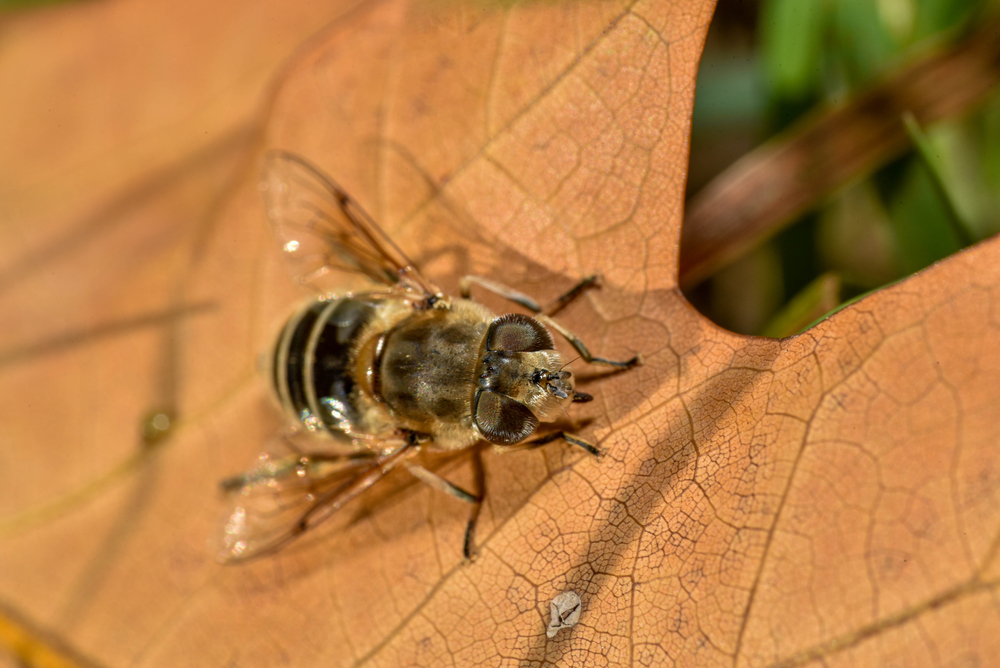
That pile of dead leaves and dried flower stems might look like a weekend cleanup project, but it could also be home to hundreds of tiny creatures helping keep your garden healthy. Before you reach for the rake, leaf blower, or pruning shears, it’s worth understanding what you might accidentally be throwing away.
Many beneficial insects spend the colder months hidden beneath fallen leaves, inside hollow plant stems, or just below the soil surface. Removing all that material can destroy the very creatures that help pollinate flowers and control garden pests when spring returns.
According to the Xerces Society for Invertebrate Conservation, insects such as butterflies, moths, and native bees depend on natural garden debris for protection during winter.
The good news is that protecting beneficial insects during fall cleanup doesn’t require letting your entire yard become an overgrown mess. You can still maintain attractive flower beds, clear walkways, and prepare your garden for winter without eliminating important wildlife habitat.
Here’s how to strike the right balance between keeping your property tidy and giving helpful insects somewhere safe to survive.
Understand What’s Hiding in Your Garden Debris
Before removing fallen leaves and dried plants, it helps to understand why those materials matter. Many insects overwinter as eggs, larvae, pupae, or adults, often sheltering in leaf litter, plant stems, or soil. Luna moths and swallowtail butterflies may spend winter in cocoons or chrysalises that blend into dried vegetation, making them nearly impossible to recognize during routine cleanup. Other insects, including certain native bees, use hollow stems and dead wood as protected nesting spaces. Protecting beneficial insects during fall cleanup begins with recognizing that seemingly lifeless garden material may actually contain the next generation of pollinators and natural pest predators.
Move Fallen Leaves Instead of Throwing Them Away
Raking leaves off your lawn doesn’t have to mean stuffing them into plastic bags and sending them to a landfill. Homeowners can relocate fallen leaves into garden beds, beneath shrubs, or around trees while preserving much of their wildlife value. A loose layer of leaves provides insulation for overwintering insects while helping soil retain moisture and gradually adding organic matter as it decomposes. Keep thick accumulations off healthy turf, drainage openings, and slippery walkways, and avoid piling leaves directly against tree trunks or building foundations. This approach creates a cleaner-looking landscape without completely removing the natural shelter that beneficial insects need during colder weather.
Stop Cutting Every Flower Stem to the Ground
Many gardeners automatically cut perennial flowers down to soil level once their blooms fade, but that habit can eliminate valuable nesting sites. The Xerces Society recommends leaving standing stems because certain native bees nest inside hollow or pithy plant material. Plants such as bee balm, sunflowers, elderberry, and raspberry canes may provide suitable nesting opportunities when their stems become dry and accessible. If some trimming is necessary, preserve selected stems in an undisturbed area rather than removing every stalk during one cleanup session. Remember that newly cut stems may attract nesting bees during the following growing season, so occupied stems should remain undisturbed long enough for developing insects to emerge.
Create a Small Brush Pile in a Quiet Corner
Fallen twigs and branches don’t always need to become another load of yard waste. Retaining suitable branches and logs is recommended because they create protected spaces for insects and other wildlife during winter. A small brush pile behind a hedge or in a less-visible corner can provide shelter without interfering with your garden’s appearance. Choose a location away from buildings, combustible materials, walkways, and areas where unwanted rodents could become a problem. Repurposing natural materials already available in your yard is an inexpensive way to support wildlife without purchasing decorative insect houses or specialized garden structures.
Avoid Disturbing Soil Where Native Bees May Be Nesting
Not all beneficial insects spend winter above ground, and some of the most important pollinators may be sheltering beneath your feet. Approximately 70% of bee species nest underground, making undisturbed soil an important part of pollinator habitat. Digging, rototilling, and repeatedly turning garden beds can disturb nests or expose developing insects to unfavorable conditions. Unless you’re planting a cover crop, addressing a specific soil problem, or preparing an essential planting area, consider leaving established beds undisturbed until necessary. Protecting beneficial insects during fall cleanup means paying attention to what happens beneath the soil as well as what remains standing above it.
Remove Diseased Plants Without Clearing Everything
There are situations where removing garden debris is important for protecting next year’s plants. Gardeners should remove vegetation affected by certain diseases, invasive plants, and materials that could allow damaging pests to persist. For example, tomato plants suffering from significant fungal disease may be better removed from the garden rather than left to decompose in place. Avoid putting heavily diseased material into a typical backyard compost pile because temperatures may not become high enough to destroy every pathogen. The goal is selective maintenance that addresses identifiable problems while preserving healthy stems, leaves, and other materials that provide useful habitat.
Think Twice Before Shredding Every Fallen Leaf
Running a lawn mower over leaves can make yard cleanup faster, but it may also destroy insects hiding within the material. You should try preserving whole leaves when possible because shredding can damage overwintering eggs, caterpillars, and cocoons. If you need to clear leaves from a lawn, gently raking them into nearby planting beds is generally a more wildlife-friendly option than repeatedly mulching them with mower blades. Shredding leaves may still be useful for composting or preventing thick layers from smothering grass, but it shouldn’t be the automatic solution for every part of your yard. Protecting beneficial insects during fall cleanup sometimes means choosing a slightly slower method that preserves more of the natural habitat already present.
Remember That Beneficial Insects Help Control Garden Pests
Leaving some natural debris behind isn’t just about protecting butterflies and bees; it can also support insects that help manage unwanted garden pests. Lady beetles, assassin bugs, minute pirate bugs, and certain hoverflies are among the beneficial predators that use sheltered locations to overwinter. These insects can feed on aphids and other pests during the growing season, potentially reducing the need for chemical treatments. Preserving their habitat doesn’t guarantee a pest-free garden, since harmful insects can also shelter in debris, but a diverse ecosystem can support natural pest regulation. Maintaining healthy populations of beneficial insects is one practical way to make gardening more sustainable and potentially reduce spending on pest-control products.
Delay Major Spring Cleanup Until Insects Have Emerged
One of the biggest mistakes gardeners make is preserving habitat all winter only to remove it during the first warm weekend of spring. Waiting until later in spring before clearing overwintering habitat is recommended because insects may still be developing or sheltering inside plant material. A few sunny afternoons don’t necessarily mean every butterfly, moth, or native bee has completed its winter life cycle. If you need to tidy the garden, work gradually and preserve some undisturbed areas rather than removing all remaining leaves and stems at once. Continuing your wildlife-friendly approach into spring is essential because protecting beneficial insects during fall cleanup accomplishes little if their shelters are destroyed before they can emerge.
A Cleaner Garden Doesn’t Have to Be an Empty Garden
Protecting beneficial insects during fall cleanup is ultimately about making smarter decisions rather than abandoning garden maintenance. You can remove diseased vegetation, manage invasive weeds, clear walkways, and maintain your property’s appearance while leaving healthy plant material available for wildlife. Even a small area containing fallen leaves, standing stems, and a few branches can provide valuable shelter for insects that support your garden’s health. Best of all, this approach can reduce yard waste, save time, and potentially lower spending on mulch and pest-control supplies.
Do you leave part of your garden untouched for beneficial insects, or do you prefer clearing everything away before winter? Share your experiences and gardening tips in the comments.
What to Read Next
No‑Mow Flowering Lawns Attract Pollinators and Reduce Maintenance—Here’s How to Start
Leave a Reply