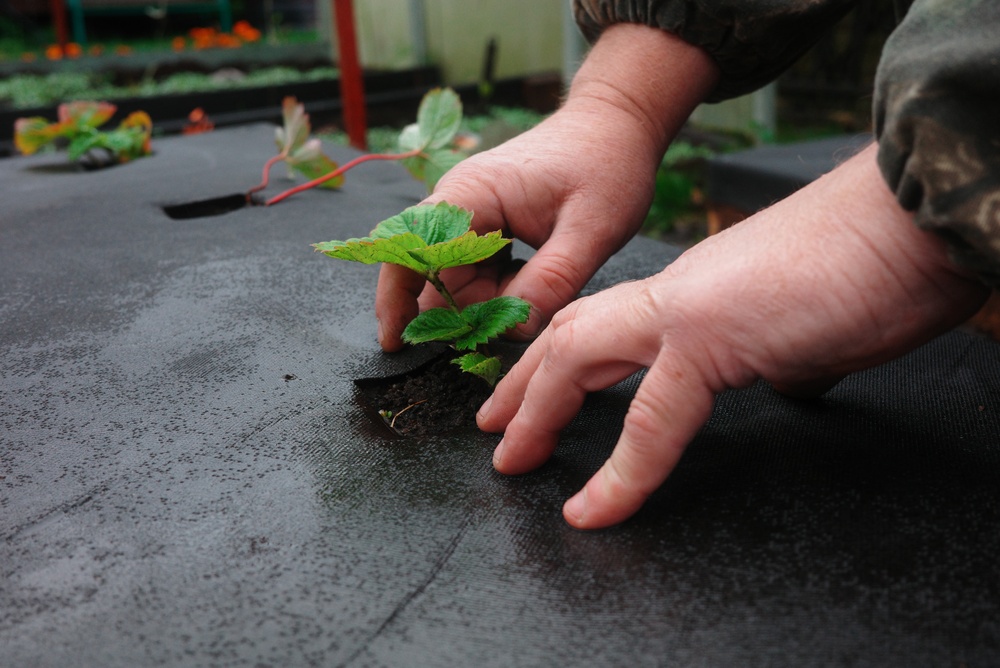
That strawberry patch that produced baskets of sweet berries all summer could be in trouble when freezing weather arrives. While strawberry plants are surprisingly cold-hardy, their shallow roots and vulnerable crowns can suffer serious damage during harsh winter conditions. Even worse, some of the most common gardening mistakes, including applying mulch too early, can actually make winter damage more likely.
The good news is that protecting strawberry plants from frost doesn’t require expensive equipment or complicated gardening techniques. A few inexpensive supplies and the right timing can help established plants survive winter and produce another crop when warmer weather returns.
According to the University of Minnesota Extension, unprotected strawberry crowns can suffer damage or die when temperatures fall below approximately 12°F. However, cold temperatures aren’t the only concern, since repeated freezing and thawing can also push shallow roots out of the soil.
Before the next cold snap arrives, here’s how to give your strawberry plants their best chance of surviving winter.
Wait Until Your Strawberry Plants Become Dormant
One of the biggest mistakes gardeners make is covering strawberry plants as soon as the first chilly night arrives. Winter mulch should generally be applied after plants enter dormancy and soil temperatures remain at or below 40°F for several consecutive days. Applying heavy mulch too early can interfere with the natural hardening process that helps plants tolerate freezing temperatures. In colder climates, dormancy often develops during late fall, although the exact timing depends on local weather conditions and strawberry varieties. Rather than relying on a calendar date, monitor temperatures and wait until plants have experienced sufficient cold weather before applying their permanent winter covering.
Add a Protective Layer of Clean Straw Mulch
Straw mulch is one of the simplest and most affordable ways to protect established strawberry plants from winter damage. The University of Connecticut Extension recommends approximately 3 inches of loose mulch to protect strawberry crowns and flower buds from cold temperatures. Clean wheat straw is a popular choice because it provides insulation without forming the dense, moisture-trapping layers that whole leaves sometimes create. For example, a gardener with a small raised strawberry bed may need only a portion of a straw bale to provide adequate winter coverage. When protecting strawberry plants from frost, avoid using hay filled with weed seeds or packing the mulch tightly against plants, since both practices can create unnecessary problems.
Protect the Crowns, Not Just the Leaves
Strawberry plants grow from a central crown located near the soil surface, and protecting this structure is essential for winter survival. Winter mulching helps protect both crowns and flower buds from damaging temperatures. Although strawberry leaves may turn brown or die back during winter, healthy crowns can produce fresh growth when spring arrives. Gardeners should spread loose insulating mulch across the entire planting rather than concentrating it only around visible leaves. This approach also reduces soil heaving, which occurs when repeated freezing and thawing push plants upward and expose their delicate roots.
Give Container Strawberries Extra Protection
Strawberry plants growing in hanging baskets, decorative pots, or elevated planters face greater winter risks than those planted directly in the ground. Containers and raised structures can become significantly colder than surrounding garden soil, leaving roots vulnerable to freezing. In regions with harsh winters, gardeners may improve survival chances by moving dormant strawberry containers into an unheated garage or another protected location where temperatures remain cold, but roots are insulated. Another option is to sink suitable containers into the ground and cover them with a thick layer of straw, although success isn’t guaranteed. If you’re trying to save money by keeping container strawberries for another growing season, remember that protecting their roots is just as important as covering the foliage.
Keep the Soil Moist Before the Ground Freezes
Strawberry plants need adequate moisture heading into winter, even though their growth slows considerably as temperatures decline. The North Carolina State Extension Gardener Handbook explains that strawberries have shallow root systems and are especially vulnerable to drought during important growth periods. If autumn has been unusually dry, watering the planting bed before the ground freezes can help prevent moisture stress and support healthier plants. However, soggy soil can create additional problems, particularly when poor drainage leaves crowns sitting in excessively wet conditions. Check the soil several inches below the surface and water when necessary rather than automatically soaking the bed before every freeze.
Use Row Covers When Freezing Temperatures Threaten
Floating row covers can provide additional protection when freezing temperatures threaten actively growing strawberry plants or developing flowers. Lightweight row covers can raise temperatures underneath by approximately 2 to 3 degrees, depending on the material used. Gardeners can install covers during the afternoon before a predicted freeze to help retain warmth around the plants overnight. Secure the edges with bricks, landscape staples, or other weights so cold winds cannot lift the fabric away from the planting bed. Remember that row covers offer limited protection during severe freezes, and prolonged covering during warm, wet conditions can encourage disease or interfere with pollination.
Don’t Forget About Strawberry Flowers
Protecting strawberry plants from frost becomes especially important when flowers are present because blossoms are much more sensitive to cold than dormant crowns. Fully opened strawberry flowers may suffer damage around 30°F, with considerable damage possible near 28°F. A gardener might discover that the leaves survived a cold night while the centers of several blossoms turned brown, indicating that those flowers will not produce berries. If your strawberries are still flowering during a late-season cold snap, use appropriate frost cloth or temporary coverings to reduce the risk of damage. Remove temporary covers when temperatures rise and conditions are safe, especially when flowers need access to pollinating insects.
Remove Winter Mulch at the Right Time in Spring
Successfully overwintering strawberries requires knowing when to remove their protective covering. Gardeners should begin removing straw when soil temperatures reach approximately 40°F and new leaves start emerging. Leaving thick mulch over actively growing plants too long can delay flowering and reduce the eventual harvest. However, removing everything too early exposes developing plants to late freezes, so keep the material nearby for temporary protection when necessary. A practical approach is to move excess straw into the spaces between rows, where it can help suppress weeds and keep developing berries off bare soil.
A Little Winter Preparation Can Mean More Strawberries Next Year
The secret to protecting strawberry plants from frost is understanding that different growing conditions require different approaches. Established strawberries in cold climates often benefit from winter straw mulch, while container-grown plants and actively flowering strawberries may need additional protection. Gardeners in warmer regions should also consult local extension recommendations because some strawberry varieties and growing systems require different winter care than traditional northern strawberry beds. Fortunately, most protective measures involve inexpensive materials such as clean straw, reusable row covers, and proper watering rather than costly gardening products.
How do you protect your strawberry plants during freezing weather, and have you discovered a winter gardening trick that helps them return stronger in spring? Share your experience in the comments.
What to Read Next
How to Protect Boxwoods From Winter Burn
The Best Row Covers for Protecting Cool-Season Vegetables
October Lawn Care Tasks That Protect Your Grass Before Winter
Leave a Reply