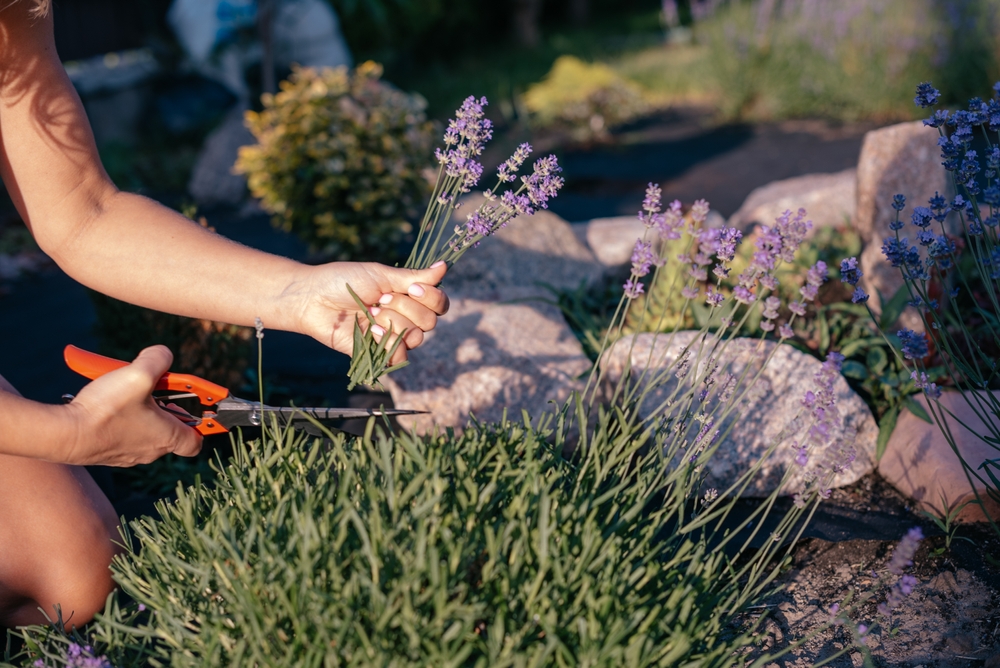
When the sun drops and the garden cools, fragrance can turn an ordinary backyard into the best seat in the house. The right plants can send sweet, spicy, citrusy, or almost honey-like scents drifting across a patio, along a walkway, or through an open window, giving evening gardens a personality that daylight sometimes misses.
A fragrant garden also rewards a slower pace. Instead of racing through the yard with a hose in one hand and a list of chores in the other, gardeners get a reason to linger, listen to the evening birds, and notice which scents become strongest as temperatures fall. These seven plants can help create that experience, but placement matters just as much as the plant itself, because fragrance does little good when it blooms 50 feet from the chair where everyone sits.
1. Evening Primrose Brings a Little Nighttime Drama
Evening primrose (Oenothera biennis) earns its name honestly, with flowers that open in the evening and add a cheerful yellow glow to a nighttime garden. Many varieties grow as biennials, forming a leafy rosette before producing tall flower stalks in their second year, so gardeners should not expect instant fireworks after planting. Give it a sunny location with well-drained soil, and avoid treating it like a pampered greenhouse guest.
Its flowers can attract night-flying pollinators, including moths, which makes the plant especially interesting after sunset. Evening primrose can spread readily in some conditions, so check local recommendations before planting it in naturalized areas and remove unwanted seedlings when necessary. Place it near a path or seating area, where the flowers can contribute to the evening show instead of hiding at the back of the yard.
2. Nicotiana Turns a Patio Into a Perfume Garden
Flowering tobacco, or Nicotiana, ranks among the best choices for gardeners who want fragrance after dark. Many ornamental varieties release their strongest scent in the evening, with white or pale flowers often standing out beautifully in low light. The plants can work especially well near patios, decks, and windows, where a gentle breeze can carry the scent to people enjoying the space.
Choose a variety suited to the local growing conditions, because Nicotiana types differ in height, flower color, and habit. Some varieties can reseed, while others stay more controlled, so gardeners should check the specific plant label before assuming every Nicotiana behaves the same way. Keep ornamental flowering tobacco away from children and pets who might chew plant material, since Nicotiana belongs to the tobacco family and contains toxic compounds.
3. Four O’Clocks Make Evening Blooming Part of the Fun
Four o’clocks (Mirabilis jalapa) bring a playful quality to the garden because their trumpet-shaped flowers often open in the late afternoon or evening. The blooms can appear in several colors, and a single plant may produce flowers in more than one shade, which gives the garden a charmingly unpredictable look. Their fragrance can add another layer of interest as the day cools.
Plant four o’clocks in full sun or light shade, depending on the local climate, and provide soil that drains reasonably well. The plants can grow vigorously, and their seeds can spread, so gardeners should remove unwanted seedlings before they turn into a small botanical takeover. Their underground roots can also persist in mild climates, which makes them a better choice for gardeners who enjoy plants with a little independence.
4. Gardenia Rewards the Right Spot With Rich Fragrance
Few garden scents feel as luxurious as gardenia, with its creamy white flowers and powerful perfume. Gardenias need more attention than many plants on this list, especially in areas with cold winters, but the payoff can feel enormous when a warm evening breeze carries the scent across a porch. They prefer bright light, acidic soil, good drainage, and consistent moisture without soggy roots.
A gardenia often performs best in a protected location where gardeners can monitor its needs closely. Sudden changes in temperature, poor drainage, and alkaline soil can cause problems, so planting one in a random corner and hoping for the best rarely produces the desired result. For colder regions, a container can offer more control, allowing gardeners to move the plant into protection when winter arrives.
5. Honeysuckle Adds Fragrance Along Paths and Fences
Honeysuckle can turn a fence, trellis, or garden arch into a fragrant evening feature, but gardeners need to choose the species carefully. Some honeysuckles can become invasive outside their native range, while others offer valuable habitat and attractive flowers without the same level of concern. Local extension offices and invasive plant resources can help gardeners identify suitable options for their region.
Place a noninvasive or regionally appropriate honeysuckle where its scent can reach a seating area or walkway. Many types prefer plenty of sunlight, although exact requirements vary by species, and a sturdy support structure helps climbing varieties show off their flowers. Pruning also matters, because an unchecked vine can quickly turn a charming garden feature into a tangled green negotiation.
6. Lavender Brings a Calmer Kind of Evening Fragrance
Lavender offers a different fragrance experience from sweetly scented evening bloomers, with a clean, herbal aroma that works beautifully around patios and paths. Its silvery foliage adds visual interest even when flowers fade, and bees often visit the blooms during the day. A sunny location and sharply draining soil matter far more than constant watering, which makes soggy ground one of lavender’s biggest enemies.
Gardeners should avoid placing lavender in heavy, poorly drained soil and then trying to rescue it with frequent irrigation. Raised beds, slopes, containers, or amended planting areas can provide better drainage when the native soil holds too much water. For an evening garden, plant lavender near a path where brushing past the foliage releases some of its aromatic oils.
7. Moonflower Saves Its Best Performance for After Sunset
Moonflower (Ipomoea alba) offers one of the most dramatic evening displays in a warm growing season. Its large white flowers open after dusk and stand out against dark foliage, while the blooms can release a sweet fragrance that suits a nighttime garden perfectly. The vine needs strong support and plenty of room, because it can climb enthusiastically when growing conditions suit it.
Give moonflower a sunny spot and a sturdy trellis, arbor, or other structure that can handle a vigorous vine. Gardeners in cooler climates may need to start plants early enough to enjoy flowers before the growing season ends, while gardeners in warmer regions should check local growing guidance because the plant can behave differently across climates. Keep seeds away from children and pets, since moonflower seeds can cause serious poisoning if ingested.
Put Fragrance Where Evening Life Actually Happens
The best fragrant garden does not simply collect scented plants like trophies. It places them where people actually sit, walk, open windows, and pause for a few minutes after a long day. A gardenia near a porch, lavender beside a path, Nicotiana near a patio, and moonflower climbing a nearby trellis can create a layered experience without turning the entire yard into one overwhelming cloud of perfume.
Gardeners should also consider wind direction, mature plant size, drainage, and bloom timing before digging. Some plants release their strongest fragrance after sunset, while others offer scent throughout the day, so combining several types can keep the garden interesting from late afternoon into the evening. The goal involves more than choosing the strongest-smelling flower available, because a well-placed plant can make a small sitting area feel far more special than a giant planting tucked somewhere nobody visits.
The Garden Should Have a Night Shift
An evening garden can become one of the most enjoyable parts of a property when fragrance, flowers, and smart placement work together. Start with one or two plants near a favorite sitting area, watch how the scent moves through the space, and add more plants gradually rather than creating a perfume competition all at once. With the right choices, sunset does not signal the end of garden time. It simply starts the garden’s second act.
Which fragrant plant would make the biggest difference in your evening garden? Share your favorite scented flower or your best nighttime gardening tip in the comments.
You May Also Like…
6 Reasons Gardeners Are Mixing Herbs Into Flower Borders
Warm Weather Can Delay Female Flowers on Melons—Gardeners Shouldn’t Panic Yet
9 Plants That Add Color Without Needing Constant Deadheading
6 Cheap Ways to Support Heavy Pepper Plants

Brandon Marcus is a staff writer for FrugalGardening.com at District Media, Inc., where he delivers practical gardening advice with a relatable, no-nonsense style. An avid amateur gardener, he holds a BA degree and with over ten years of professional writing experience, he is also an award-winning published author whose first book, Questions For Deep Thinkers, was released by Adams Media. His work has appeared in major publications including Fandom.com, CHUD.com, TheColdWire.com, and Fansided.com.
Leave a Reply