A packet of flower seeds can feel like a tiny investment with a surprisingly long return. Choose the right self-seeding flowers, let a few blooms finish their natural cycle, and next year’s garden may begin filling itself in without another trip to the garden center. That sounds like a frugal gardener’s dream, and sometimes it absolutely is.
The catch involves the phrase “the right flowers.” Self-seeding plants can save money, add a wonderfully relaxed look to a garden, and keep a favorite variety coming back, but they can also wander into places where nobody invited them. A smart approach treats self-seeding flowers less like a magic money-saving trick and more like a garden partnership with a few ground rules.
Self-Seeding Flowers Can Stretch a Garden Budget
Self-seeding flowers reproduce by producing seeds that fall around the parent plant, then sprout when conditions suit them. Unlike carefully collected seeds that a gardener stores, labels, and plants in neat rows, self-seeders handle much of the scheduling themselves. Some seeds germinate the following spring, while others may wait longer for the right combination of moisture, temperature, and light.
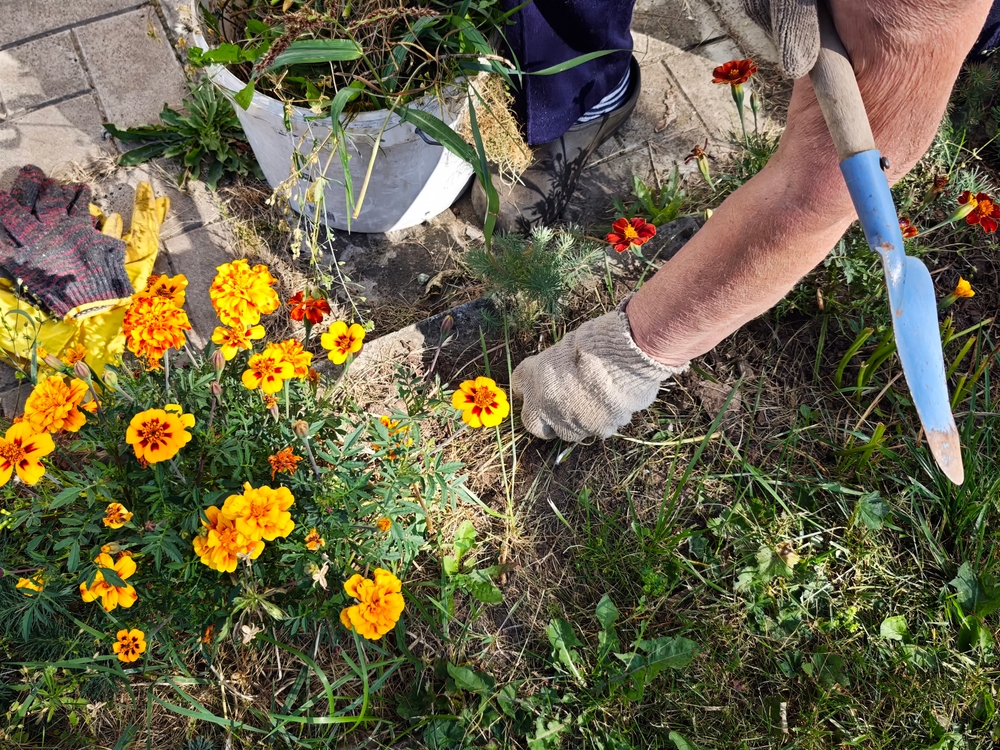
That process can reduce the need to buy fresh annual flowers every year, especially when a gardener allows a few healthy plants to finish blooming. Calendula, cosmos, nigella, California poppies, alyssum, and certain types of marigolds can all produce plenty of seed under the right conditions. A single successful planting can create a recurring patch of color, although the results rarely look as tidy or predictable as a tray of nursery-grown plants.
The biggest savings come from choosing flowers that suit the garden’s conditions rather than forcing a plant to reproduce in a spot it dislikes. A sunny, well-drained area may encourage one flower to reseed generously, while a shady or heavily mulched bed may stop the same plant from returning. Gardeners also save money when they resist the urge to pull every spent bloom the moment it looks a little ragged.
The Garden May Develop a Personality of Its Own
Self-seeding flowers can create the kind of garden that looks as though it has been quietly plotting something beautiful behind the shed. A few cosmos might appear beside a path, poppies may show up near a fence, and calendula can scatter itself around vegetables and herbs. This loose, informal style often gives a garden more movement and visual interest than a perfectly arranged row of identical plants.
That spontaneity also creates one of the biggest advantages for frugal gardeners: self-seeders can fill gaps. When an early-season flower finishes, another plant may appear nearby and take over the visual space without requiring a new purchase. The garden can gradually develop a layered look that changes from year to year, which adds charm and keeps gardening from feeling like the same design repeated on an annual loop.
Still, “natural-looking” does not mean “ignore everything.” A gardener should recognize seedlings before pulling them, particularly in a mixed flower bed where young plants can look remarkably similar to weeds. A simple garden notebook, plant marker, or quick photo of mature plants can prevent the annual tragedy of accidentally removing next year’s favorite flowers.
Not Every Self-Seeder Deserves Free Rein
The phrase “self-seeding” sounds wonderfully thrifty, but some plants can spread more enthusiastically than a gardener expects. A flower that behaves politely in one climate or soil type may produce far more seedlings in another location. Local growing conditions, rainfall, soil disturbance, and the plant itself all influence how aggressively it spreads.
That does not mean gardeners need to ban every prolific flower from the property. It means gardeners should research a plant before introducing it and distinguish between a well-behaved annual and a species that can escape cultivation and cause ecological problems. Native plants often provide excellent options for supporting local wildlife, while non-native plants deserve extra scrutiny if they show a strong tendency to spread beyond gardens.
Control also starts with simple timing. Deadheading a few flowers before they form mature seed heads can limit the number of seedlings next year, while leaving a selected group of blooms alone can maintain the reseeding cycle. That middle-ground approach lets gardeners enjoy the savings without handing the entire flower bed over to botanical chaos.
Smart Placement Makes Self-Seeding Much Easier
The best place for a self-seeding flower usually involves a spot where a few surprise seedlings will not cause a headache. Open borders, cottage-style beds, sunny edges, and informal pollinator gardens often offer plenty of room for plants to move around. A narrow walkway, carefully spaced vegetable row, or tiny bed beside a foundation may offer far less tolerance for botanical freelancing.
Soil preparation also influences success. Many flower seeds need good contact with the soil to germinate, and a thick layer of mulch can make that difficult for some species. A garden that receives regular disturbance from digging, weeding, or seasonal planting may encourage more seedlings than a heavily mulched bed that never gets disturbed.
Gardeners can also guide the process by collecting mature seed heads and scattering seeds in chosen locations. This approach offers more control than simply letting every seed fall wherever the wind takes it. It also creates an inexpensive way to expand a flower bed, fill a new border, or share seeds with a gardening friend without spending another dollar on a packet.
A Little Patience Can Produce Big Savings
Self-seeding flowers reward gardeners who can tolerate a little uncertainty. The flowers may not return in precisely the same location, and seedlings may appear later than expected, but that unpredictability often creates some of the garden’s most delightful surprises. A bare patch in spring can turn into a cheerful cluster of flowers once the soil warms and the seeds receive the conditions they need.
Gardeners should also remember that self-seeding does not guarantee identical results every year. Weather, insects, disease, competition from other plants, and changes in soil conditions can all affect germination and survival. A frugal garden still benefits from a backup plan, such as saving seeds, dividing suitable perennials, or keeping a small amount of money available for occasional replacements.
The smartest strategy combines self-seeding with selective intervention. Let reliable flowers scatter seeds, remove seedlings that land in inconvenient places, and save a few seeds from favorite plants when possible. That approach turns the garden into a renewable source of color while keeping the gardener firmly in charge of the overall plan.
The Best Frugal Garden Lets Flowers Pay Rent
Self-seeding flowers can make excellent financial sense for gardeners who choose suitable varieties and give them the right conditions. They can reduce repeat purchases, fill empty spaces, and create a more relaxed garden with plenty of seasonal character. The real savings come from treating these plants as part of a broader strategy rather than expecting every flower to return forever without any help.
A good self-seeding garden still needs observation, occasional editing, and a willingness to let a few plants do things their own way. That balance creates the sweet spot between a perfectly controlled display and a flower bed that has completely escaped the gardener’s calendar. For anyone trying to spend less on gardening while enjoying more flowers, a few well-chosen self-seeders may deserve a permanent place on the shopping list, followed by several years of not needing to buy them again.
Which self-seeding flowers have saved money in your garden, or which ones have taken over more space than expected? Share your experience in the comments!
You May Also Like…
SNAP Benefits Can Buy Seeds—How Families Can Turn Food Assistance Into Fresh Produce
Save Seeds, Save Money: Harvest, Dry and Store Seeds from This Year’s Favorite Heirloom Plants
6 Ways to Protect Seedlings From Sudden Downpours
The Seed Packet Strategy That Can Stretch a Grocery Budget for Months
5 DIY Bird Deterrents That Protect Seeds and Seedlings

Brandon Marcus is a staff writer for FrugalGardening.com at District Media, Inc., where he delivers practical gardening advice with a relatable, no-nonsense style. An avid amateur gardener, he holds a BA degree and with over ten years of professional writing experience, he is also an award-winning published author whose first book, Questions For Deep Thinkers, was released by Adams Media. His work has appeared in major publications including Fandom.com, CHUD.com, TheColdWire.com, and Fansided.com.
Leave a Reply