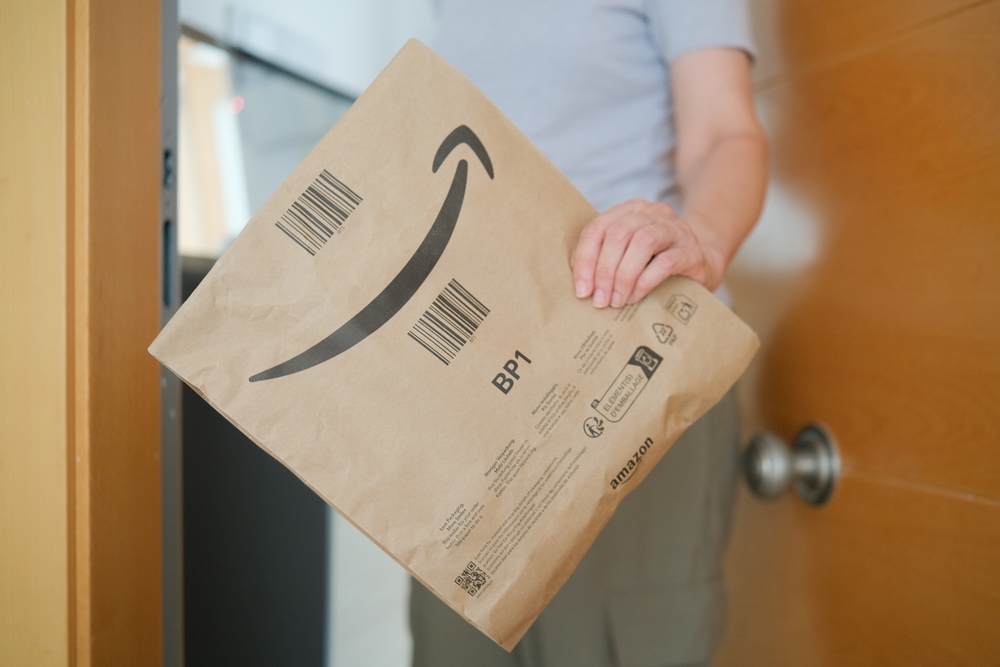
Ordering seeds online feels wonderfully simple. A few taps, a colorful photograph of an enormous flower, and suddenly the garden has a new botanical adventure on the way. The trouble starts when that photograph shows a plant that cannot actually exist, or when the packet contains seeds that have little connection to the variety advertised.
Fake seed listings have circulated on major online marketplaces for years, and newer scams use increasingly convincing digitally generated images to sell fantasy flowers, strange fruit, and supposedly rare varieties. Recent reports have highlighted listings featuring bizarre blooms and wildly unrealistic colors, while USDA guidance continues to warn gardeners about improperly labeled or foreign seeds that can create both gardening headaches and plant-health concerns.
That Gorgeous Flower Might Be Fiction
One of the easiest tricks involves the photograph. A listing may show a sunflower with an impossible combination of colors, a rose in an unnatural rainbow pattern or a flower shaped like an animal, then attach an ordinary-sounding seed description underneath it. The picture looks impressive because the seller wants the gardener to imagine that picture growing in the backyard, even when biology has other plans. Recent scam listings have included enormous fantasy flowers and bizarre blooms with shapes that resemble cats, butterflies and other objects.
A good gardener should therefore treat the product photograph as advertising, not evidence. Before buying, search the exact plant name through a reputable seed company, botanical garden, university extension service or another reliable horticultural source and compare photographs from multiple sources. If the only pictures show a spectacular plant on marketplace listings, that should set off a little mental alarm bell. The same goes for descriptions promising a flower that combines several unusual traits without providing a recognizable botanical name or credible growing information. Real plants can be wonderfully weird, but they still have to obey the rules of biology.
The Seed Packet Tells a Bigger Story
The listing itself deserves a close inspection before the order button gets involved. A legitimate seed purchase should provide meaningful information about what the seed actually represents, while vague descriptions, questionable variety names and missing seller information make a purchase much harder to evaluate. In the United States, the Federal Seed Act establishes truth-in-labeling requirements for covered agricultural and vegetable seed shipped in interstate commerce, including information such as purity, germination, kind and varietal identification and the interstate shipper’s name and address.
That does not mean every seed packet purchased online carries identical labeling information, nor does it magically make every marketplace listing trustworthy. It does mean gardeners have good reason to look for specific, verifiable information rather than relying on a gorgeous photograph and five enthusiastic adjectives. Check the seller, inspect the actual package photographs when available and look for a scientific name or clear variety information. USDA guidance also notes that buyers should have access to important variety information when purchasing covered seed, rather than discovering what they bought only after planting it.
Foreign Seeds Bring Another Problem
The situation becomes more serious when seeds come from another country without the documentation required for import. USDA’s Animal and Plant Health Inspection Service warns that seeds entering the United States can carry plant pests, diseases or noxious weeds, which explains why certain imported seeds face permits, certificates, labeling and inspection requirements. Some seed categories qualify for specific exemptions or small-lot procedures, but gardeners should not assume that a tiny envelope automatically bypasses import rules.
That is also why mystery seeds should never become an experimental corner of the garden. In 2020, unsolicited seed packages arrived at homes across the United States, and APHIS investigated the shipments as a potential pathway for agricultural pests while identifying the broader incident as a likely brushing scam. The agency specifically advised people not to plant unknown seeds and to keep the seeds and packaging for officials if they received unsolicited packages.
Give Suspicious Listings the Garden-Test Treatment
A few minutes of detective work can save an entire growing season from turning into botanical disappointment. Start by searching the advertised variety independently, then compare the seller’s photographs with images from established seed companies and horticultural institutions. Reverse-image searching can also help reveal whether the same suspicious photograph appears across unrelated listings, which can be a useful clue when a seller claims to offer something extraordinarily rare. If the plant sounds too bizarre to be true, check its botanical name before spending money on it.
It also helps to think beyond germination. Save a screenshot of the listing, including the seller name, product description and photographs, before placing an order for an unfamiliar variety. Use a payment method with buyer protections, inspect the packet when it arrives and photograph anything that looks different from the listing. If the seeds never arrive, arrive mislabeled or clearly do not match the advertised product, those records can make a dispute much easier.
Let Real Seeds Do the Weird Stuff
The safest approach does not require abandoning online seed shopping altogether. Plenty of reputable seed companies sell excellent varieties online, and digital catalogs can give gardeners access to an enormous range of vegetables, herbs and flowers without relying on questionable marketplace listings. The trick involves choosing the seed source first and the jaw-dropping photograph second.
A packet of seeds should promise a plant, not a fantasy novel. Look for a credible seller, specific variety information, realistic photographs and enough growing information to make the purchase sensible. Be especially cautious with mystery seeds, implausible flowers and sellers who provide little information beyond a dazzling image. A garden already contains enough surprises without discovering in July that the promised rainbow rose was actually a packet of something nobody ordered.
What’s Worth Planting and What’s Worth Skipping?
Online seed shopping can still be a wonderfully convenient part of gardening, but the marketplace deserves the same skepticism as any other online store. When a listing looks more like a magical creature catalog than a seed company, pause before reaching for the credit card. The best seed purchase starts with a plant that actually exists, a seller that can identify it and a packet that tells the truth about what sits inside. That little bit of caution can mean the difference between watching a promised flower open in the garden and spending weeks watering a mystery.
Which suspicious seed listing, bizarre plant photograph or too-good-to-be-true garden deal have you encountered online?
You May Also Like…
Can You Use Old Window Screens to Dry Garden Seeds?
7 Plants That Offer Seeds Birds Can Eat Through Fall
Those Beautiful Seeds You Found Online May Be Fake — Here’s How to Tell
Grow Your Own Herbs: 7 Must-Have Amazon Products for a Budget-Friendly Herb Garden
7 Red Flags That an Online Seed Listing May Be a Scam

Brandon Marcus is a staff writer for FrugalGardening.com at District Media, Inc., where he delivers practical gardening advice with a relatable, no-nonsense style. An avid amateur gardener, he holds a BA degree and with over ten years of professional writing experience, he is also an award-winning published author whose first book, Questions For Deep Thinkers, was released by Adams Media. His work has appeared in major publications including Fandom.com, CHUD.com, TheColdWire.com, and Fansided.com.
Leave a Reply