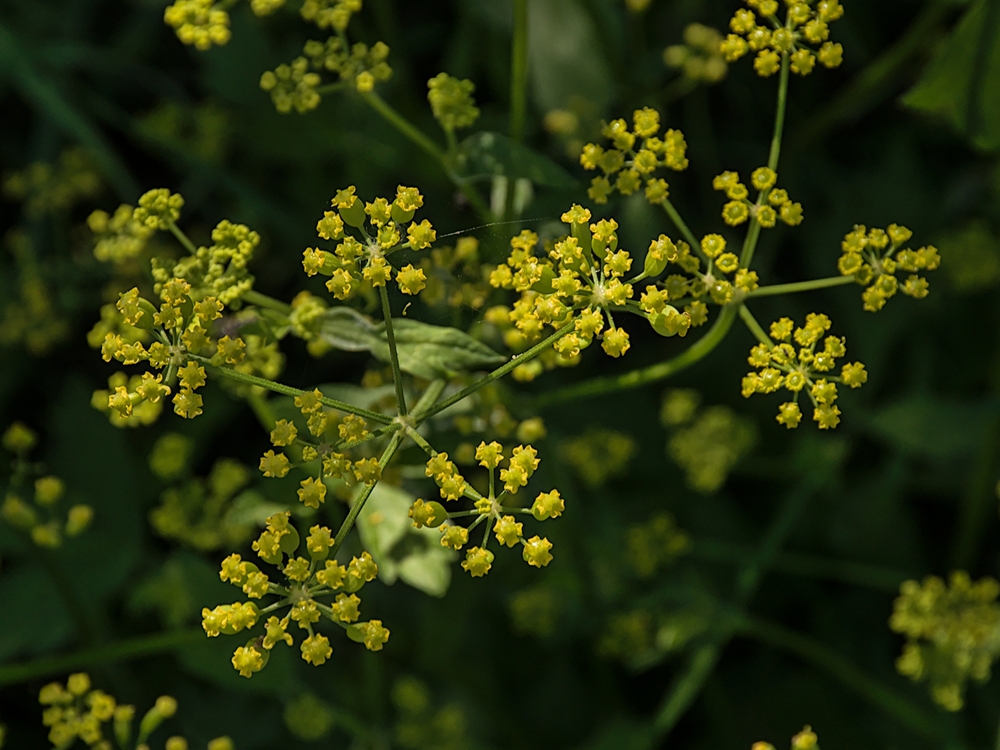
A harmless-looking weed can turn a routine afternoon of pulling plants into a very unpleasant skin problem, especially if you encounter wild parsnip or giant hogweed. These plants contain compounds that can make skin unusually sensitive to ultraviolet light, so a little plant sap followed by sunshine can produce redness and blistering that looks remarkably like a nasty burn.
That makes the usual gardening strategy of “grab it and yank it” a bad idea when you cannot identify the plant. The tricky part involves recognizing these plants before the gloves come off, because several members of the carrot family can look surprisingly similar at a glance. A few identifying details can help keep an ordinary weeding job from becoming a trip to the medicine cabinet.
The Weed That Turns Sunshine Into Trouble
Wild parsnip ranks among the biggest culprits because its sap contains furanocoumarins, chemicals that can react with ultraviolet light and injure exposed skin.
The plant often reaches several feet tall and produces broad, flat clusters of tiny yellow flowers, while its leaves feature several coarse, sharply toothed leaflets.
The real trouble starts when the sap contacts skin and sunlight hits the same area, creating a reaction called phytophotodermatitis that can cause severe sunburn-like injury and blisters. That timing can fool gardeners into blaming the sun, especially when the skin looked perfectly fine during the weeding session and reacted later. So a sunny afternoon, a weed-whacking project and bare forearms can create a particularly lousy combination.
Learn the Look Before You Pull
Wild parsnip usually grows in disturbed areas, roadsides, fields and open edges, which makes a neglected corner of a yard or property a perfectly reasonable place to encounter it. Its stout, hollow stem has grooves, while the plant develops yellow umbrella-shaped flower clusters that can make it resemble other familiar members of the carrot family.
Queen Anne’s lace creates one especially tempting case of mistaken identity, although wild parsnip grows taller and has yellow flowers rather than the familiar white flower heads. Giant hogweed creates another serious identification challenge, but it grows dramatically larger, with enormous deeply cut leaves and a thick, mottled stem.
If a mystery plant looks unusually large, has umbrella-shaped flowers and seems suspiciously enthusiastic about taking over the landscape, keep your hands off it until you identify it.
Some Lookalikes Deserve Respect, Too
Cow parsnip can cause a similar problem because its sap also contains furocoumarins that can injure skin after sunlight exposure. Unlike wild parsnip, cow parsnip can represent a native plant, which makes the lesson more complicated than simply declaring every suspicious-looking wildflower a weed.
Poison hemlock creates another identification headache because gardeners can mistake its finely divided foliage and white flower clusters for other members of the carrot family.
Poison hemlock poses a different and potentially more serious hazard because every part of the plant contains potent toxins, and swallowing even a small amount can cause severe poisoning. In other words, mystery carrot-family plants deserve considerably more respect than their delicate white or yellow flowers suggest.
What to Do If Sap Gets on Your Skin
If plant sap gets onto exposed skin, move away from direct sunlight and wash the area thoroughly as soon as possible, while taking care not to spread the sap to other areas. Protective clothing and gloves can help prevent exposure in the first place, especially when someone needs to remove a suspicious plant.
Wash contaminated clothing separately and clean tools that contacted the plant before using them again, because gardening gear can carry plant material from one task to the next. If redness, swelling or blistering develops, keep the affected skin out of the sun while it heals and avoid breaking blisters, since damaged blisters can increase the risk of infection.
Cool, wet compresses can provide some relief, while severe burns, extensive blistering, eye exposure or significant pain deserve medical attention. And if plant material gets into an eye, treat that as more than a garden nuisance because giant hogweed exposure can cause serious eye injury.
Leave the Mystery Weed Alone
Gardeners love solving problems with gloves, pruners and a little determination, but plant identification should come before the tugging starts when a suspicious weed appears. Take a clear photo of the leaves, stem and flowers, then compare those features with reliable local extension or invasive-species resources rather than relying on a quick visual guess.
For plants such as wild parsnip or giant hogweed, protective clothing that covers the arms and legs, along with gloves and eye protection, reduces the chance of sap contacting skin.
Do not mow, chop, or handle an unidentified plant aggressively if you cannot determine what it is, because cutting plant tissue can release sap and spread plant material around the work area. When removal requires more extensive contact, consider getting help from someone who can identify the plant and recommend an appropriate control method for the property. The smartest weed in the yard may turn out to be the one left untouched until its identity gets confirmed.
A Pretty Flower Can Still Pack a Punch
The important gardening lesson here involves resisting the urge to judge a plant by its flowers, because some of the most dangerous yard plants look almost decorative from a distance. Wild parsnip, giant hogweed and cow parsnip can produce attractive umbrella-shaped flower clusters, yet their sap can create painful skin reactions when sunlight enters the equation.
A little caution costs almost nothing, while a blistering reaction can turn several days of gardening into several days of regretting that one impulsive weed pull. Learn the plant before grabbing it, cover exposed skin when handling suspicious vegetation, wash promptly after possible contact and keep affected skin away from sunlight. Those simple habits let the garden remain a place for vegetables, flowers and the occasional battle with crabgrass, rather than an unexpected dermatology project.
Would you ever stop and identify a mystery weed before pulling it, or does the temptation to yank first usually win?
You May Also Like…
Make the Switch to Microclover Lawns: Clover Mixes Feed Themselves, Suppress Weeds and Stay Green
Misusing New Weed Killers Can Warp Your Shrubs—Triclopyr Stays in Soil for Months
Local Weed Laws Are Changing: Know Which Lawn Alternatives Are Permitted Before You Plant
Mulching Magic: Budget-Friendly Ways To Conserve Water And Suppress Weeds
Why Weeds Take Over Faster Than Crops in Spring

Brandon Marcus is a staff writer for FrugalGardening.com at District Media, Inc., where he delivers practical gardening advice with a relatable, no-nonsense style. An avid amateur gardener, he holds a BA degree and with over ten years of professional writing experience, he is also an award-winning published author whose first book, Questions For Deep Thinkers, was released by Adams Media. His work has appeared in major publications including Fandom.com, CHUD.com, TheColdWire.com, and Fansided.com.
Leave a Reply