A backyard full of colorful berries can look like nature’s candy aisle, especially to a child who spots a shiny red or purple cluster hanging at exactly eye level. That makes berry season a great time to teach children one simple rule: pretty does not mean edible, and nobody should pick a berry for a snack until an adult identifies the plant.
The tricky part comes from how convincing some poisonous plants look. A few berries resemble grapes, others look like something that belongs in a pie, and some sit on attractive ornamental shrubs that seem about as threatening as a garden hose. Health Canada warns that some plant varieties can harm children who eat them, while Poison Control recommends teaching children to ask an adult before eating wild berries.
The Red Berries on Yew Can Fool a Curious Child
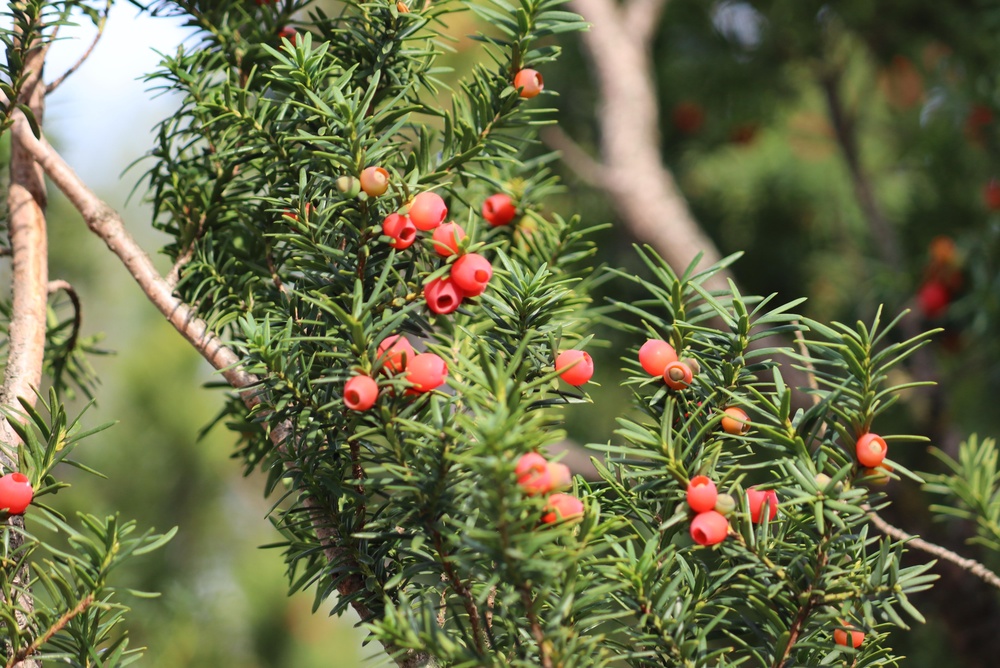
Yew shrubs deserve a very serious spot on the garden safety radar because their bright red berries can look surprisingly inviting in autumn. Yew belongs to the Taxus genus, and its needles and the seed inside each berry contain poisonous compounds.
The fleshy red part surrounding the seed creates an especially sneaky situation because a child may see a harmless-looking berry and never notice the dangerous seed tucked inside. Yews often grow as landscape shrubs, so this is not strictly a wilderness problem where nobody knows what grows nearby. If a yew grows around a yard, teach children to recognize it and keep berries away from little hands. Never encourage a child to taste an unidentified berry just to see what happens, because plant identification should come before snack time, not after it.
Holly Looks Festive, But Those Berries Belong on the “Do Not Eat” List
Holly produces some of the most recognizable berries in the landscape, with glossy green leaves and clusters that can range from bright red to yellow. The berries contain compounds that can cause nausea, vomiting, abdominal pain and diarrhea after ingestion, and even a small number can cause symptoms in children.
The leaves create another problem because their stiff, pointed spines can injure a child’s mouth or throat if someone decides to chew one. That combination makes holly a poor candidate for a hands-on berry-picking lesson, no matter how cheerful the shrub looks. If holly grows where children play, keep fallen berries and leaves picked up and teach children to leave both the berries and the foliage alone. A child who swallows holly should have the remaining plant material removed from the mouth, and a poison centre can provide guidance about the specific exposure.
Pokeweed Is the Purple Berry Look-Alike to Watch
Pokeweed can create one of the garden’s best visual traps because its glossy purple-black berries hang in clusters that can remind children of grapes. The plant grows tall, develops reddish stems and produces berries that leave a remarkably vivid purple stain, which only makes the fruit more interesting to small hands.
The entire plant contains toxic compounds, and the berries can cause stomach pain, nausea, vomiting and diarrhea when someone eats several of them. Pokeweed also develops a large taproot, so an established plant can become surprisingly difficult to remove from a garden bed. If children regularly play nearby, cutting or removing the plant before its berries mature can reduce the temptation considerably, while gloves can protect you during garden work. Most importantly, never let a child decide that purple juice means “probably edible,” because pokeberries can put that theory to a very unpleasant test.
Nightshade and Mystery Berries Deserve Zero Guesswork
Nightshade covers several Solanum species, and some produce attractive berries that can look far more snack-worthy than they deserve. Health Canada notes that climbing or bittersweet nightshade belongs to a group of plants containing glycoalkaloids, compounds that can cause harmful effects when people consume enough of them.
The bigger lesson matters even more than memorizing one plant name: children should never eat a wild berry simply because a berry looks familiar. Poison Control lists nightshade, deadly nightshade, holly, pokeweed and yew among poisonous plants, while its berry guidance recommends learning the plants growing around your property and keeping children from eating unidentified berries. If a mystery berry disappears into a child’s mouth, do not wait for symptoms before seeking advice, because the correct response depends on the plant, the amount eaten and the child involved. Save a sample or take clear photos of the plant if doing so can happen safely, then contact a local poison centre for specific guidance.
Turn Berry Season Into a Garden Safety Lesson
A little plant detective work can make berry season safer without turning the backyard into a no-touch zone. Walk around the property with children and point out which plants produce edible fruit, which plants serve wildlife but do not belong in a child’s snack bowl, and which plants nobody should touch without an adult’s help.
Make the rule ridiculously simple: if the plant has not been identified as safe, the berry stays on the branch. That rule works better than asking children to memorize a parade of botanical names, especially when berries change color as they ripen and different plants can look remarkably similar. Gardeners should also identify unfamiliar plants before removing them, because gloves, long sleeves and careful handling can matter when a plant contains irritating sap or other harmful compounds. A backyard can still be a fantastic place for children to explore, investigate and discover where food comes from, but berry picking should come with one very important ingredient: knowing exactly what is growing there.
Would a “no mystery berries” rule work in your garden, or have children ever surprised you by trying to snack on something they found growing outside?
You May Also Like…
Should You Remove Old Strawberry Leaves After Fruiting?
Why Are Your Raspberries Drying Up Before They Ripen?
What Is the Cheapest Way to Keep Berries Away From Birds?
7 Late-Summer Garden Checks That Can Prevent Winter Damage
9 Gardening Trends That Are Suddenly Falling Out of Favor

Brandon Marcus is a staff writer for FrugalGardening.com at District Media, Inc., where he delivers practical gardening advice with a relatable, no-nonsense style. An avid amateur gardener, he holds a BA degree and with over ten years of professional writing experience, he is also an award-winning published author whose first book, Questions For Deep Thinkers, was released by Adams Media. His work has appeared in major publications including Fandom.com, CHUD.com, TheColdWire.com, and Fansided.com.
Leave a Reply