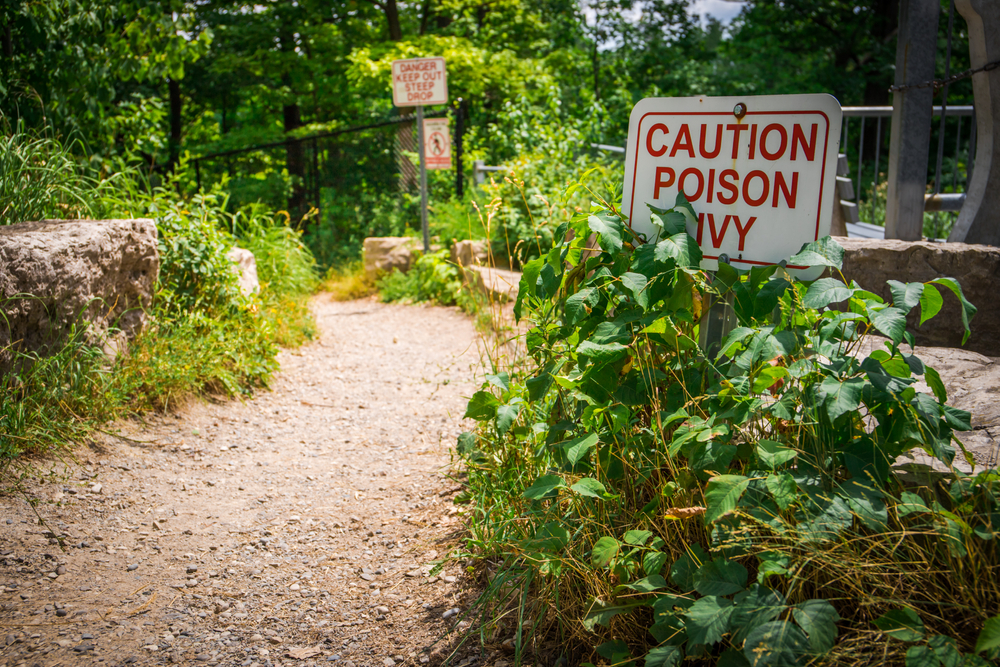
Poison ivy may look like just another annoying weed once it comes out of the ground, but there is one thing it absolutely should not become: firewood. Burning poison ivy can send urushiol, the oily compound that causes its infamous rash, into the smoke and straight into the air around anyone nearby. That turns a yard cleanup job into a potentially serious breathing hazard, and the danger does not disappear simply because the plant has been yanked out of the soil.
The tricky part comes after the satisfying pull. A gardener might naturally think, “Great, now into the burn pile it goes,” especially when the plant looks wilted, dried out, or thoroughly defeated. Unfortunately, dead poison ivy still contains urushiol, so the plant can remain a problem long after it stops looking like a living green menace.
Poison Ivy Does Not Become Harmless When It Dies
Poison ivy contains urushiol throughout the plant, including its leaves and stems, so pulling the plant from the ground does not remove the irritating oil from the material. Even dried plant material can cause a reaction when someone handles it, which makes that crispy-looking vine in the garden waste pile considerably less innocent than it appears. The familiar “leaves of three” clue can help identify poison ivy while it grows, but gardeners should also remember that autumn color and bare stems can make identification less obvious.
That lingering oil also explains why gloves alone do not solve every problem during cleanup. Urushiol can stick to clothing, tools, shoes, and pet fur, allowing an unsuspecting gardener to encounter the oil again later. Anyone removing poison ivy should cover exposed skin, avoid touching the face, and clean tools and clothing afterward. A careful cleanup may feel slightly fussy, but it beats discovering several hours later that a garden tool has become an accidental poison ivy delivery system.
The Fire Pit Is the Wrong Place for That Vine
Burning poison ivy creates the real danger because heat can carry urushiol in smoke particles. Breathing that smoke can irritate the respiratory system and cause severe breathing problems, while the smoke can also expose the skin and eyes. The University of Minnesota Extension specifically warns gardeners never to burn poison ivy because smoke and soot can trigger serious allergic reactions and respiratory problems.
That warning applies to dead vines, dried leaves, and other seemingly harmless scraps from cleanup. A plant does not need green leaves or roots in the ground to create trouble around a fire. In fact, the dry material can make an especially tempting addition to a burn pile because it catches easily, which makes the temptation even more important to resist. The safest rule remains wonderfully simple: if the pile contains poison ivy, skip the match.
Handle the Cleanup Like a Containment Job
When pulling poison ivy, wear gloves and protective clothing that covers the arms and legs, then handle the plant as little as possible. Avoid dragging a long vine across the yard because every extra contact point creates another opportunity for urushiol to reach shoes, tools, soil-contact surfaces, or clothing. Place the plant material into an appropriate yard-waste or trash container according to local disposal rules rather than tossing it into a fire. Gardeners should also avoid putting poison ivy into homemade compost piles, particularly when the resulting compost could later come into contact with skin.
After the job, wash exposed skin promptly with soap and water and clean clothing separately from other laundry when practical. Wash tools and other objects that touched the plant, since urushiol can remain on surfaces and cause a later reaction. Pets can also carry the oil on their fur after brushing against poison ivy, so a dog that wandered through the wrong patch deserves attention before anyone gives that friendly post-gardening belly rub. The goal involves removing the oily residue, not simply waiting for the plant to dry out and hoping the problem disappears.
If Poison Ivy Smoke Gets Into the Air, Act Quickly
Smoke from burning poison ivy deserves more respect than an ordinary smoky backyard fire. Anyone who inhales it should move into fresh air immediately and stay away from the fumes rather than lingering nearby to see whether symptoms develop. Coughing, throat irritation, wheezing, or difficulty breathing can signal a significant inhalation exposure, and breathing difficulty warrants urgent medical attention.
This situation differs from an ordinary poison ivy rash because inhalation can affect the airways rather than simply the skin. Anyone experiencing breathing trouble after inhaling poison ivy smoke should seek emergency medical care instead of treating the incident like a routine gardening rash. A gardener who suspects exposure but feels unsure about the appropriate next step can contact a poison center or use a reputable poison-control resource for guidance. When the plant in question can turn a campfire into an airway hazard, caution makes a lot more sense than curiosity.
Give Poison Ivy a One-Way Trip Out of the Yard
The best way to think about pulled poison ivy involves one simple rule: removal does not equal permission to burn. Keep the plant material away from flames, protect the skin during cleanup, and clean anything that may have picked up urushiol. Those habits make yard work considerably safer without turning a routine weed-removal job into a complicated production. Poison ivy may deserve the boot from the garden, but it definitely does not deserve a starring role in the fire pit.
What has been the most surprising gardening safety lesson learned the hard way, or has poison ivy ever turned a simple yard project into a much bigger chore?
You May Also Like…
5 Edible Plants That Can Replace Empty Patio Annuals
7 Plants You Should Think Twice About Touching With Bare Hands
9 Backyard Habits That Can Accidentally Invite Pests
Why Overwatering Is More Dangerous Than Underwatering
Experts Warn: Your Compost Pile Could Be Dangerous for Pets

Brandon Marcus is a staff writer for FrugalGardening.com at District Media, Inc., where he delivers practical gardening advice with a relatable, no-nonsense style. An avid amateur gardener, he holds a BA degree and with over ten years of professional writing experience, he is also an award-winning published author whose first book, Questions For Deep Thinkers, was released by Adams Media. His work has appeared in major publications including Fandom.com, CHUD.com, TheColdWire.com, and Fansided.com.
Leave a Reply