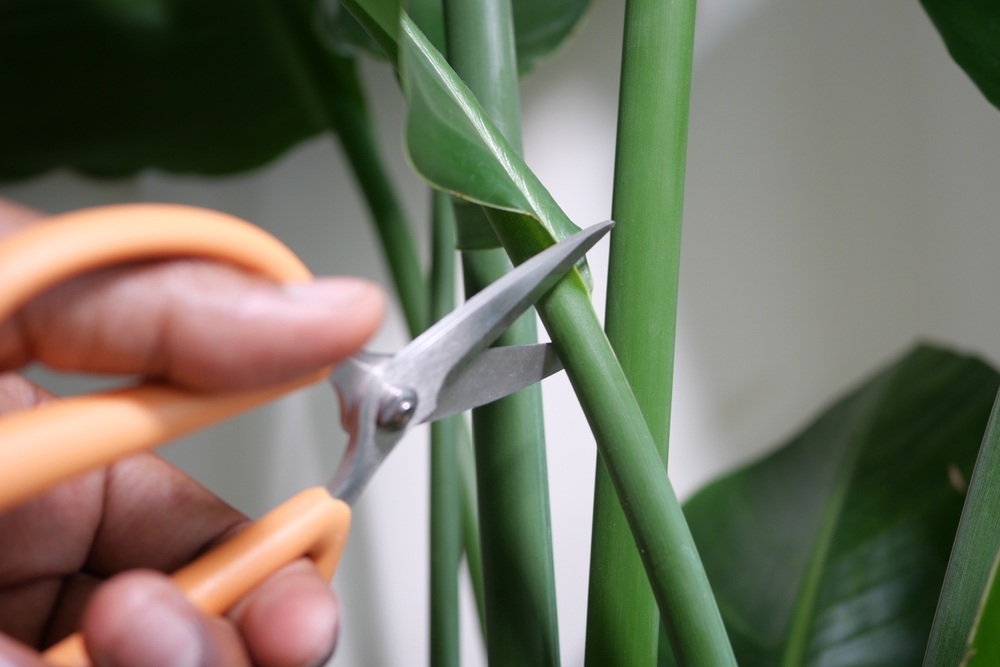
It’s easy to see why this question keeps popping up. Often, a tiny snip feels harmless and the plant will “grow back.” Plus, propagation is one of the most frugal gardening skills there is. But stores aren’t wild plant libraries, and what feels like a freebie to a shopper can look like damage or loss to a retailer. The legality can depend on where you live and what exactly happened, but the practical answer is surprisingly consistent: if you’re taking clippings without permission, you’re taking something that isn’t yours. The smartest way to protect your wallet and your conscience is to understand what the store owns, what the law tends to treat as “property,” and how to ask in a way that often gets a yes. Here’s how to think about it before you reach for the scissors.
Stores Treat Their Plants As Inventory, Not Decor
Plants on a retail shelf are merchandise, even if they’re displayed like décor. When you remove a piece, you’ve changed the product the store intended to sell. Many retailers also track shrink and damaged inventory, and a “small” snip can turn a sellable plant into a markdown. From a common-sense standpoint, taking clippings is similar to tearing off part of a product and walking away with it. Even if the plant survives, the store didn’t agree to give away any part of it.
When Taking Clippings Counts As Theft
In many places, “theft” or “shoplifting” isn’t limited to walking out with a whole item in your cart. If you intentionally take a piece of merchandise without paying and without permission, it can be treated as taking property. Some stores will handle it as a policy violation and ask you to stop, while others may treat it more seriously if there’s clear intent. It also matters whether you used tools, caused visible damage, or tried to hide what you did, because those details can increase how the situation is viewed. The safest assumption is that removing any part of a plant without permission can expose you to consequences, even if you think it’s “just a leaf.”
Plant Patents And Trademarks Add Another Layer
Even if you paid for a plant, propagation rights can get complicated for certain varieties. Some plants are sold under plant patents or propagation restrictions. That means copying the plant for commercial purposes can violate intellectual property rules. Home propagation for personal use is often treated differently in practice, but the rules around patented varieties are still real and can be enforced in certain contexts. This is one reason stores may be strict about snipping pieces in the aisle, because they don’t want the headache. If you’re unsure, read the tag and look for language about patents, trademarks, or “asexual propagation prohibited.”
The Best Frugal Move Is Simply Asking
If you want a piece of a plant, ask an employee before you you start taking clippings, and be specific about what you’re asking for. Many staff members will say yes to a fallen leaf, a broken tip, or a damaged stem that can’t be sold anyway. You can also offer to buy the plant at a discount if there’s already damage, which keeps everything clean and aboveboard. If the answer is no, accept it and move on, because pushing turns a harmless question into a problem. The irony is that asking is often the easiest route to a free propagation start.
Biosecurity Matters More Than People Realize
Retail plants often carry pests and pathogens that you don’t want to introduce into your home collection. A single hitchhiking mealybug, thrips, or mite population can spread fast once it’s in your warm indoor air. Big box stores may also water on shared schedules, which increases the odds of fungus gnats or root issues traveling between pots. If you do get a legitimate cutting, quarantine it, rinse it, and keep it separate from your other plants for a couple of weeks. A “free” start isn’t frugal if it ends with you treating your whole plant shelf.
Better Low-Cost Ways To Get Propagation Material
Local plant swaps, community groups, and neighborhood buy-nothing circles are full of people who love sharing cuttings. End-of-season clearance racks can also be a goldmine. You can buy a struggling plant cheaply and learn propagation skills ethically. If you have friends who garden, offer something in return, like a jar of homemade compost, a seed packet, or a future plant start. You can also grow from seed for many houseplants and herbs, which costs pennies and avoids the awkwardness entirely. For most gardeners, taking clippings from a store is the least efficient option when you consider community-based sharing.
The Cleanest Way To Stay Frugal And Stay Out Of Trouble
If you want more plants for less money, focus on methods that don’t put you at odds with a business or your local laws. Ask first, stick to legitimately offered freebies, and treat any propagation material like it needs quarantine and care. When you buy plants, learn which varieties propagate easily so your purchase multiplies over time. Keep your frugal wins built on goodwill, because that’s the kind that lasts. A cheap plant isn’t a bargain if it costs you stress, embarrassment, or a ban from your favorite shop.
Have you ever asked a store for a fallen leaf or broken stem? What did they say in the moment?
What to Read Next…
- 7 Red Flags That Signal Your Houseplants Are Screaming For Help
- These Plants Could Get You Fined — Most Gardeners Have No Idea
- These 10 Plants Fix Bad Soil — Without Costly Amendments

Catherine is a tech-savvy writer who has focused on the personal finance space for more than eight years. She has a Bachelor’s in Information Technology and enjoys showcasing how tech can simplify everyday personal finance tasks like budgeting, spending tracking, and planning for the future. Additionally, she’s explored the ins and outs of the world of side hustles and loves to share what she’s learned along the way. When she’s not working, you can find her relaxing at home in the Pacific Northwest with her two cats or enjoying a cup of coffee at her neighborhood cafe.
Leave a Reply