Mulch gets all the attention, but it doesn’t own the spotlight. Plenty of other materials can step in, protect soil, lock in moisture, and even outlast traditional wood chips without draining a wallet. Gardens thrive on creativity just as much as sunlight and water, and the smartest setups often come from thinking beyond the usual bag of mulch from the store. The real magic starts when everyday materials turn into hardworking garden heroes.
Great gardens don’t come from spending more—they come from using what works better and lasts longer. Some of the most effective mulch alternatives sit right under your nose, waiting to be put to work. These options don’t just save money; they bring personality, durability, and serious function to any outdoor space.
1. Grass Clippings: The Free Powerhouse Sitting in Your Yard
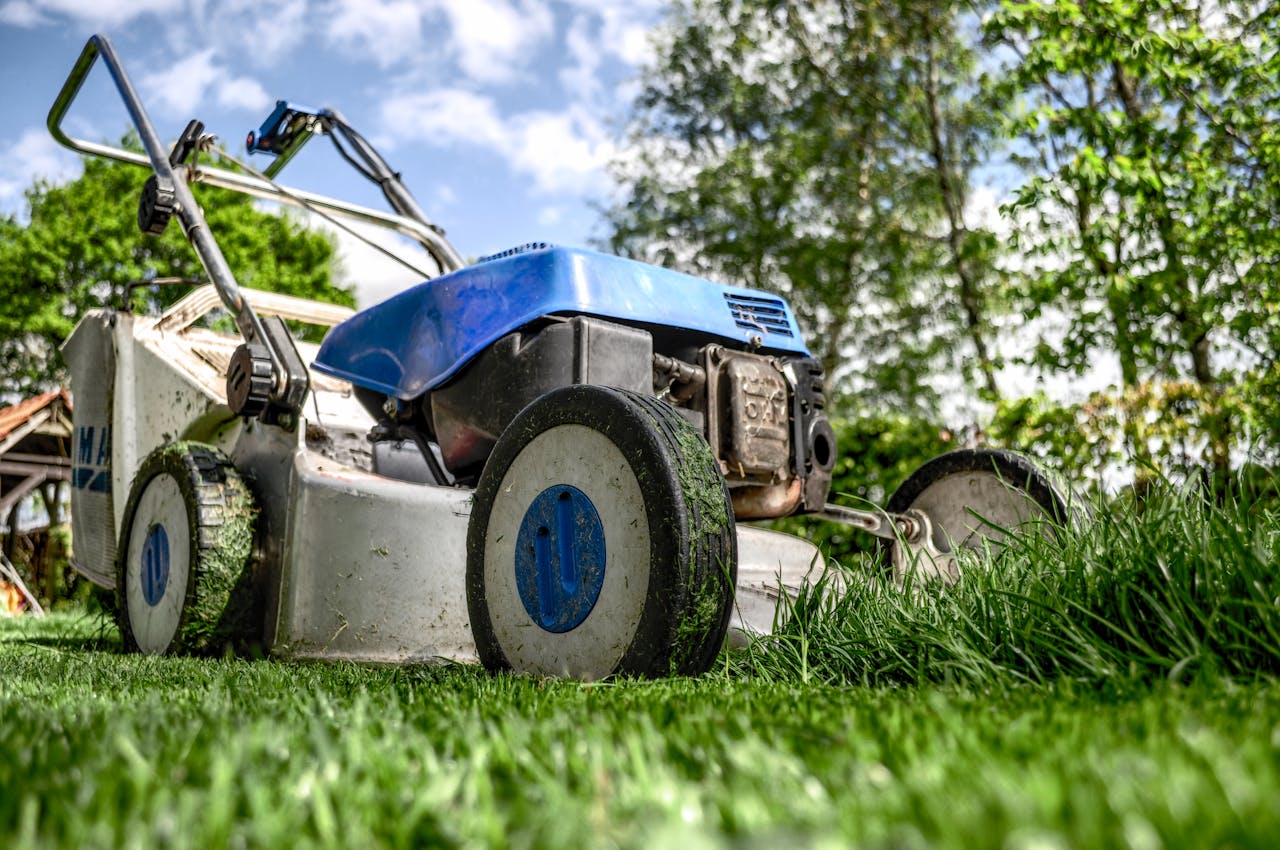
Fresh grass clippings deliver one of the easiest and most cost-effective mulch alternatives available. After mowing, that pile of green gold can go straight onto garden beds instead of heading to the curb. Clippings break down quickly, releasing nitrogen back into the soil, which gives plants a noticeable boost in growth. That natural nutrient cycle makes this option both practical and powerful.
Spread clippings in thin layers to avoid clumping and odor issues. Thick piles can trap moisture unevenly and create a slimy mess, so consistency matters. Drying the clippings slightly before spreading can also improve results and make handling easier. This method works especially well around vegetable gardens where soil nutrition plays a key role. With regular mowing, this mulch alternative keeps replenishing itself without costing a cent.
2. Pine Needles: The Long-Lasting Lightweight Champion
Pine needles, often called pine straw, bring durability and charm to garden beds. Unlike traditional mulch, they interlock naturally, which helps them stay in place during wind or heavy rain. That structure also allows water to pass through easily while still protecting the soil underneath. Many gardeners appreciate how slowly pine needles break down compared to other organic options.
Collecting pine needles from nearby trees can cut costs completely. Even purchased pine straw tends to last longer than wood mulch, making it a strong value over time. Contrary to popular belief, pine needles don’t drastically change soil acidity when used as mulch, so they work in a wide range of gardens. Spread them evenly to create a soft, natural look that holds up through changing weather. This option combines low maintenance with long-term performance.
3. Cardboard and Newspaper: The Weed-Blocking Workhorses
Cardboard and newspaper might not look glamorous, but they dominate when it comes to weed control. These materials form a barrier that blocks sunlight, which stops weeds before they even get started. Over time, they break down and add organic matter to the soil, improving structure and moisture retention. This combination makes them both protective and beneficial.
Lay cardboard or thick layers of newspaper directly on the soil, then soak them thoroughly to keep them in place. Adding a thin layer of soil or compost on top can improve appearance and stability. Avoid glossy or heavily inked paper, as those materials may contain unwanted chemicals. This method works especially well for starting new garden beds or reclaiming overgrown areas. With almost no cost involved, it’s a powerful way to transform a space quickly.
4. Gravel and Stone: The Low-Maintenance Heavy Hitters
Gravel and stone create a completely different approach to mulching, one that focuses on durability over decomposition. These materials don’t break down, which means they last for years without needing replacement. They excel in areas where long-term coverage matters more than soil enrichment, such as pathways, borders, and around certain plants. Their weight also keeps them firmly in place during storms.
Choose the right size and type of stone for the space. Smaller gravel works well for pathways, while larger decorative stones add visual impact to garden beds. Installing a landscape fabric underneath helps prevent weeds from pushing through. Although the upfront cost may be higher than organic options, the long lifespan often balances things out. For anyone tired of refreshing mulch every season, this alternative offers a welcome break.
5. Compost: The Double-Duty Garden Booster
Compost doesn’t just sit on top of the soil—it actively improves it. Using compost as a mulch alternative delivers nutrients while also protecting the soil from temperature swings and moisture loss. Plants benefit from the slow release of organic matter, which supports strong, healthy growth. This option turns kitchen scraps and yard waste into a valuable garden resource.
Apply a thick layer of compost around plants to create an effective barrier against weeds. Regularly refreshing the layer ensures consistent performance throughout the growing season. Homemade compost keeps costs low and reduces waste at the same time. Even store-bought compost provides excellent value because of its dual function. This approach supports both plant health and sustainability in one simple step.
6. Leaves: Nature’s Seasonal Gift
Fallen leaves bring a ready-made mulch solution every year, and they don’t cost a thing. Instead of bagging them up, put them to work in the garden where they belong. Leaves help retain moisture, regulate soil temperature, and gradually break down into nutrient-rich organic matter. That natural cycle makes them one of the most sustainable options available.
Shredding leaves before spreading them improves their effectiveness and prevents them from matting together. A lawn mower can handle this task quickly and efficiently. Spread the shredded leaves in an even layer to create a protective blanket over the soil. This method works beautifully in flower beds, vegetable gardens, and around trees. With minimal effort, leaves transform from yard waste into a valuable gardening asset.
7. Wood Chips from Local Sources: The Budget-Friendly Classic Upgrade
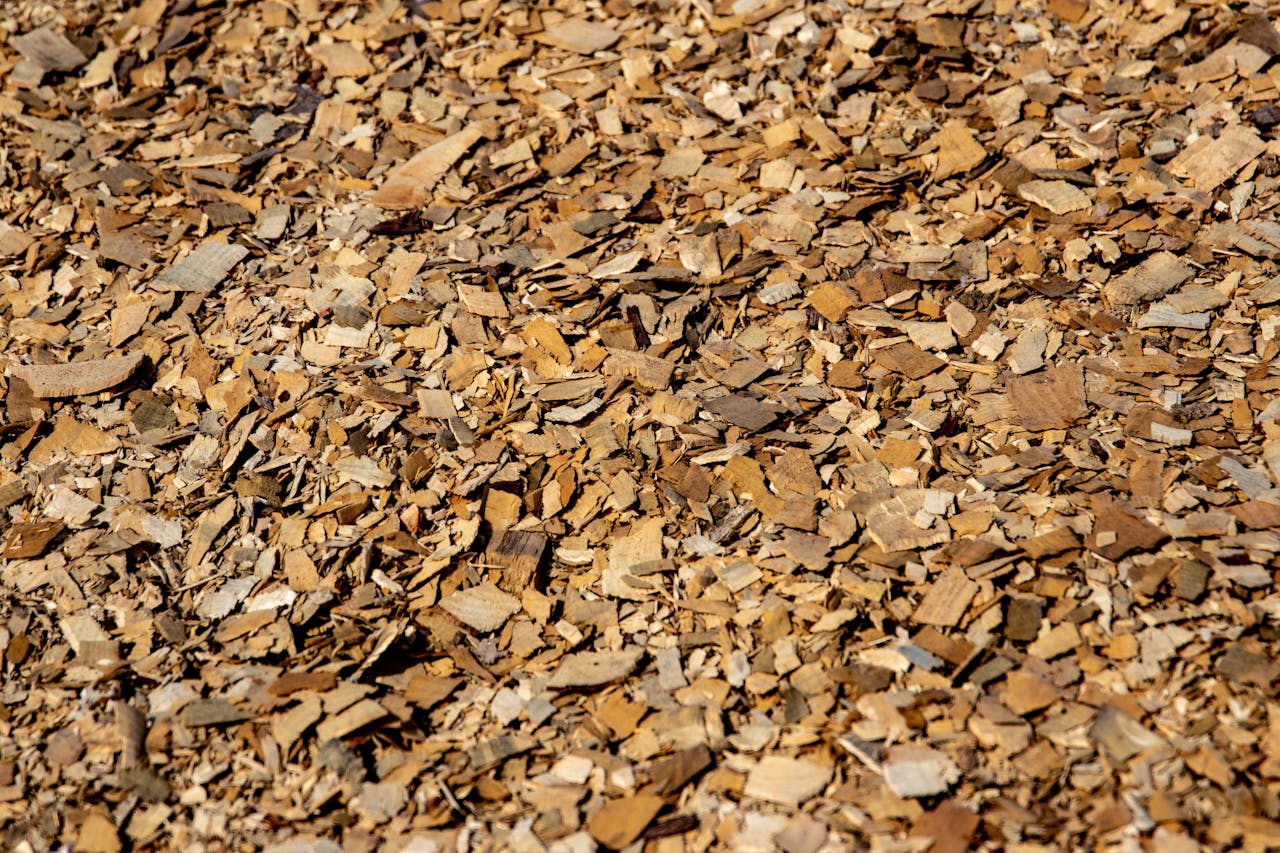
Wood chips still count as mulch, but sourcing them locally changes the game entirely. Tree trimming companies often give away wood chips for free or at a very low cost. These chips tend to be coarser and less processed than store-bought mulch, which helps them last longer. That durability makes them an excellent option for larger areas.
Apply wood chips in thick layers to maximize weed suppression and moisture retention. Keep them a few inches away from plant stems to prevent moisture buildup that could lead to rot. Because they break down slowly, they require less frequent replacement than finer mulch products. This approach combines the familiarity of traditional mulch with a budget-friendly twist. With a little effort, it’s possible to cover large spaces without overspending.
Think Beyond the Bag
The best gardens don’t rely on one solution. Instead, they mix, match, and adapt. Each of these mulch alternatives brings something unique to the table, whether it’s long-lasting coverage, soil improvement, or unbeatable cost savings. Choosing the right option depends on the specific needs of the space, the plants involved, and the level of maintenance that feels manageable.
Experimenting with different materials can lead to surprising results and even better performance than traditional mulch. Combining options, like layering cardboard under wood chips or adding compost beneath leaves, can amplify the benefits. Every garden holds potential for smarter, more efficient choices that save both time and money.
Which of these mulch alternatives feels like the perfect fit, and what creative solutions have already worked wonders in your outdoor space? Let’s hear your ideas, tips, and garden wins in the comments.
You May Also Like…
How Mulch Color Can Affect Your Garden More Than You Think
Free Sources of Mulch Many People Overlook
4 Composting Tricks That Work Better Than Store-Bought Bags
Why Some Compost Smells in Spring
Why Many Gardeners Start Mulching Before April

Brandon Marcus is a staff writer for FrugalGardening.com at District Media, Inc., where he delivers practical gardening advice with a relatable, no-nonsense style. An avid amateur gardener, he holds a BA degree and with over ten years of professional writing experience, he is also an award-winning published author whose first book, Questions For Deep Thinkers, was released by Adams Media. His work has appeared in major publications including Fandom.com, CHUD.com, TheColdWire.com, and Fansided.com.
Leave a Reply