When gardeners talk about plant health, the conversation often jumps straight to fertilizers, pest control, or the latest miracle spray. But long before any of that matters—before seeds even hit the soil—the most powerful disease-prevention tool is already in your hands: smart plant placement. Where you put a plant, what you put next to it, and how much breathing room you allow can mean the difference between a thriving garden and one constantly fighting mildew, rot, and mysterious blights.
Planning ahead doesn’t just save effort later; it quietly stacks the odds in your favor from day one, and once you see how much it matters, you’ll never plant on impulse again.
The Invisible Connection Between Crowding and Disease
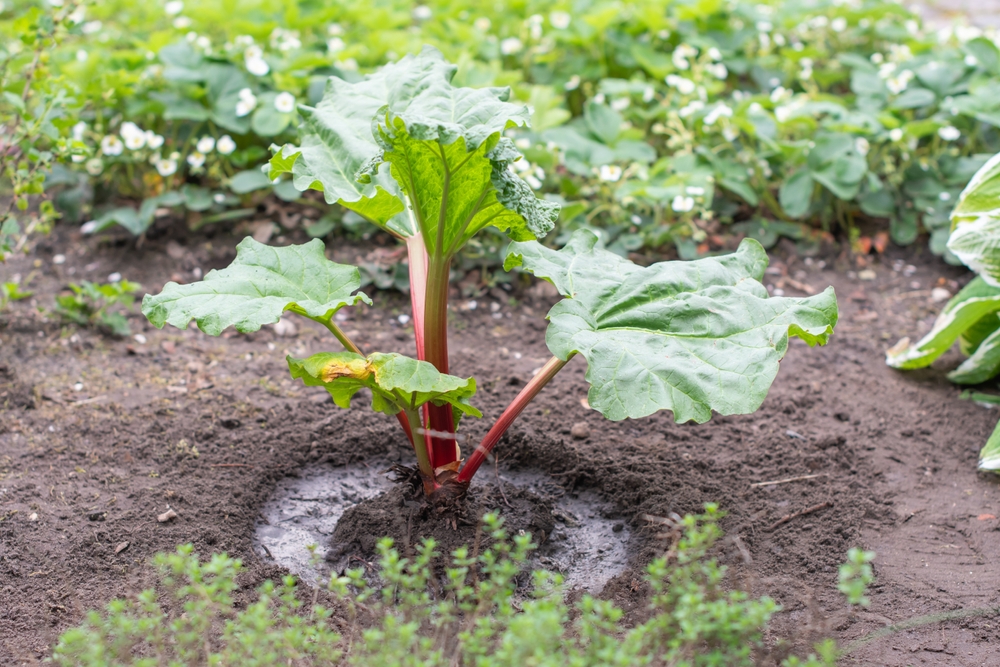
Plant diseases rarely appear out of nowhere, and overcrowding is one of their favorite invitations. When plants are packed too tightly, air struggles to move through leaves and stems, creating humid pockets that fungi and bacteria absolutely love. Many common garden diseases—like powdery mildew, leaf spot, and blight—spread more easily when moisture lingers on foliage instead of drying quickly in the sun.
By spacing plants properly from the start, you reduce leaf-to-leaf contact, which slows the spread of pathogens that rely on touch or splashing water to travel. A simple suggestion is to check spacing recommendations on seed packets or plant tags and resist the urge to squeeze in “just one more” plant.
Airflow Is a Plant’s First Line of Defense
Good airflow isn’t just a comfort feature; it’s a survival mechanism for plants. Moving air helps regulate temperature around leaves, dries off morning dew, and discourages fungal spores from settling in and taking hold. When you plan placement early, you can account for mature plant size instead of how small and harmless everything looks on planting day. Tall plants placed thoughtfully can even help channel breezes through a bed rather than blocking them.
One practical tip is to observe how wind naturally moves through your yard or garden space and align rows or groupings to work with that flow instead of against it.
Sunlight, Shade, and Disease Pressure
Light exposure plays a bigger role in disease prevention than many gardeners realize. Plants that need full sun but are placed in partial shade often stay damp longer after rain or watering, which increases disease pressure over time. Conversely, shade-loving plants stressed by too much sun become weaker and more vulnerable to infections they might otherwise resist.
Early planning lets you match plants to the right light conditions so they grow strong instead of struggling. Gardeners can benefit from mapping sunlight patterns across their garden during different times of day before planting, ensuring each plant gets exactly what it needs to stay resilient.
Companion Planting Isn’t Just About Growth
Companion planting is often framed as a way to boost yields. However, it also plays a role in disease management when done correctly. Certain plants improve air circulation by growing upright. Meanwhile, others act as ground covers that reduce soil splash during rain. This limits the spread of soil-borne diseases.
Planning this early avoids accidental monocultures that act like open buffets for disease. A helpful suggestion is to rotate plant families each season and avoid planting the same types in the same spots year after year.
Watering Patterns Start With Placement
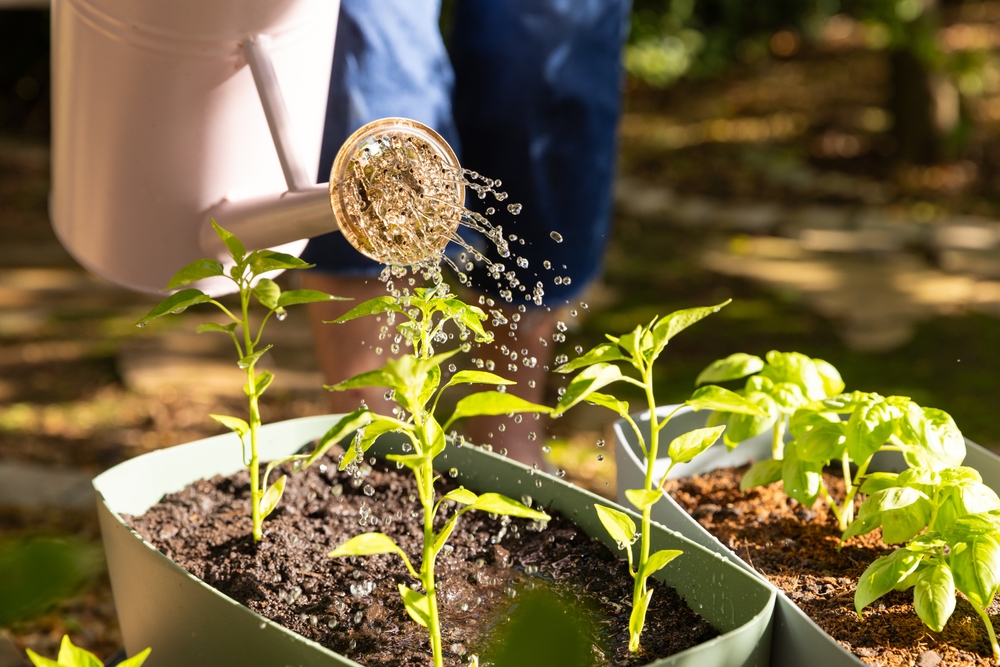
How and where water moves through your garden is deeply tied to plant placement. Plants crammed into low spots or poorly draining soil are far more likely to develop root rot and other moisture-related diseases. By planning early, you can position water-loving plants where moisture naturally collects and keep drought-tolerant ones on higher, drier ground. This reduces stress and prevents chronic wet conditions that pathogens exploit.
You should consider testing drainage after a heavy rain and adjusting plant placement accordingly, rather than trying to “fix” problems later with treatments.
Healthy Soil Communities Need Space Too
Beneath the surface, plant roots interact with complex soil ecosystems that help protect against disease. Overcrowded roots compete for nutrients and disrupt beneficial microbes that naturally suppress harmful organisms. When plants are spaced correctly, their roots can grow strong and maintain balanced relationships with soil life.
Early planning ensures that each plant has enough underground real estate to support long-term health.
Where Smart Planning Pays Off Most
The real payoff of planning plant placement early is how many problems you never have to deal with. Fewer disease outbreaks mean less pruning, fewer chemical interventions, and more time enjoying your garden instead of troubleshooting it. Healthy plants are more productive, more attractive, and far less stressful to maintain.
By treating placement as a proactive strategy rather than an afterthought, you set up a garden that works with nature instead of constantly fighting it. It takes some work, but it pays off quickly. So before your next planting session, pause, sketch it out, and let intention guide every hole you dig.
What planting mistake did you make once that taught you the value of planning ahead, and what would you do differently next time?
You May Also Like…
Why January Is Ideal for Planning Companion Planting
These Plants Could Get You Fined in Florida This Year
Why January Garden Planning Saves More Money Than Any Other Month
9 Winter Pruning Cuts That Invite Disease in Spring
Why January Is the Most Underrated Month for Garden Planning

Brandon Marcus is a staff writer for FrugalGardening.com at District Media, Inc., where he delivers practical gardening advice with a relatable, no-nonsense style. An avid amateur gardener, he holds a BA degree and with over ten years of professional writing experience, he is also an award-winning published author whose first book, Questions For Deep Thinkers, was released by Adams Media. His work has appeared in major publications including Fandom.com, CHUD.com, TheColdWire.com, and Fansided.com.
Leave a Reply