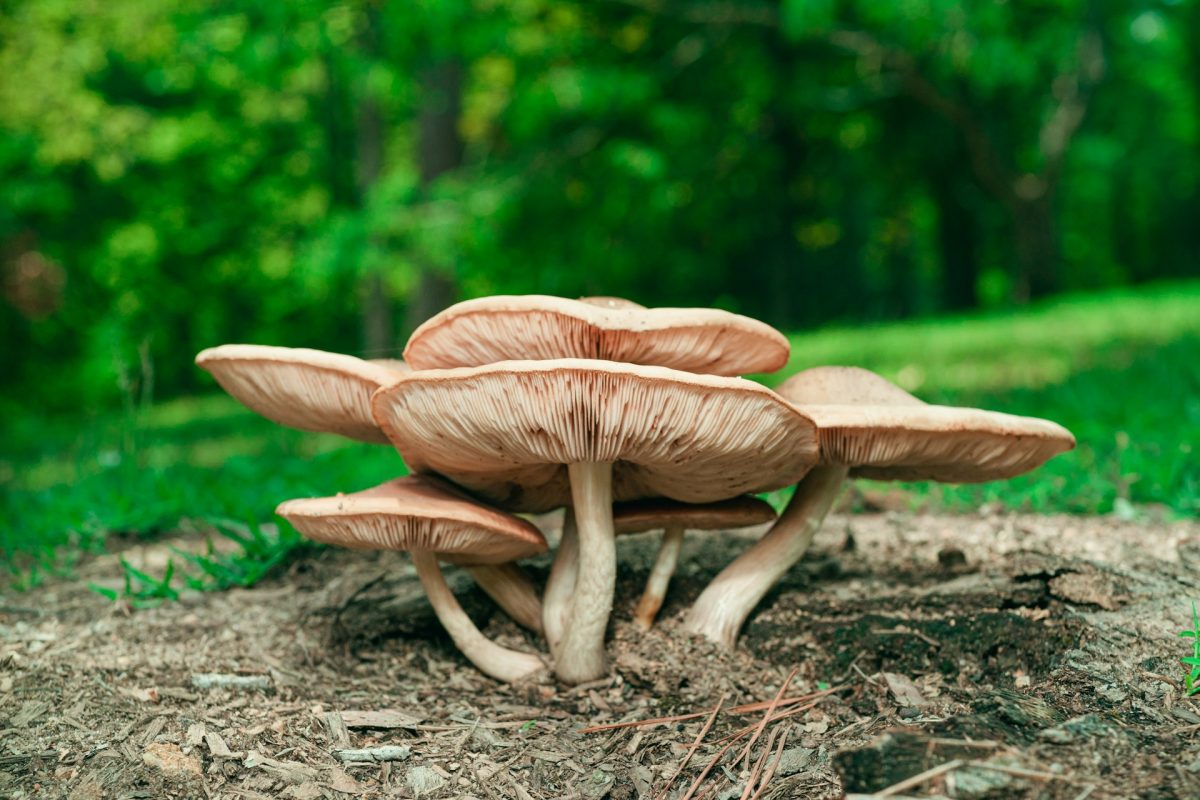
A lawn can look perfectly normal one evening and then wake up the next morning looking like a miniature mushroom village. Small caps pop up across the grass, sometimes in clusters, sometimes in strange circles, and occasionally in numbers that make the yard resemble a scene from a fantasy movie. These sudden appearances often spark confusion, curiosity, and sometimes mild panic among homeowners who wonder if their yard just developed a mysterious problem overnight.
Mushrooms do not show up randomly, however, and they rarely signal disaster. They appear because nature has been quietly working beneath the soil long before those little caps ever break the surface. Understanding why mushrooms appear can transform that moment of surprise into a fascinating look at what actually lives under a lawn. Once the science becomes clear, those odd little fungi start to make a lot more sense.
The Secret Underground Network Beneath Your Lawn
Every healthy lawn hides an invisible world that rarely gets the spotlight. Beneath the grass blades and soil sits a vast network of fungal threads called mycelium, which spreads through the ground like an underground web. These threads quietly break down organic matter such as fallen leaves, buried wood, old roots, and other natural debris that sits in the soil. This process recycles nutrients and feeds the surrounding ecosystem, which helps grass and plants grow stronger. Mushrooms simply represent the visible fruit of that underground network, much like apples growing from a tree.
The mycelium lives underground for long periods without anyone noticing. When conditions align just right, the fungus produces mushrooms as reproductive structures that release spores into the air. Those spores travel to new locations where they may begin new fungal networks. Lawn mushrooms therefore signal active soil biology rather than a sudden invasion. A yard that grows mushrooms often contains rich organic material, moisture, and microbial life working together beneath the surface.
Understanding this hidden system changes the perspective entirely. Instead of representing a lawn disaster, mushrooms frequently reveal that natural decomposition is doing its job. The soil ecosystem hums along quietly until the right weather conditions flip the switch and those small caps finally emerge.
Rain, Moisture, and the Perfect Mushroom Weather
Weather plays a huge role in the sudden appearance of mushrooms. Fungi thrive in moist environments, and a few days of steady rain can create ideal growing conditions. When the soil holds enough moisture and temperatures remain moderate, fungal networks become highly active. Mushrooms then rise quickly above the ground to release spores before the conditions change again.
Humidity adds another layer to the story. Warm air paired with damp soil forms a perfect combination for fungal growth. Lawns that receive regular watering from sprinklers can also create similar conditions, especially during warm months. Even shaded areas of a yard often encourage mushrooms because the soil remains cooler and holds moisture longer.
These weather-driven bursts explain why mushrooms often appear almost overnight. The underground fungus already exists in the soil, quietly waiting for the right moment. Once moisture levels climb high enough, the mushroom structures grow rapidly and break through the surface. A lawn can transform in less than a day simply because nature found the exact conditions it wanted. Homeowners who notice mushrooms after rainstorms are witnessing a natural biological reaction to moisture rather than a sudden lawn disease.
Fairy Rings and Other Strange Mushroom Patterns
Sometimes mushrooms pop up in straight lines or curious circles that seem too organized to be random. These formations, often called fairy rings, have fascinated people for centuries. The name comes from folklore that imagined tiny magical creatures dancing in circles overnight. Science offers a far less mystical but equally interesting explanation. A fungal network expands outward through the soil in all directions as it grows. The center of the network gradually runs out of nutrients, which pushes growth toward the outer edges. Mushrooms then appear along that outer ring where the fungus remains most active. Over time, this outward growth creates a circular pattern that becomes visible on the lawn surface.
Fairy rings may sometimes affect grass color as well. In certain cases, the ring of soil surrounding the mushrooms becomes richer in nutrients due to fungal activity. That extra nutrition can cause the grass in the ring to grow darker or thicker than the rest of the lawn. In other cases, the fungus may compete with grass roots for nutrients, which can create thin or dry patches. These patterns may look mysterious, but they reflect simple biological growth patterns occurring beneath the surface.
Should Mushrooms in the Yard Cause Concern?
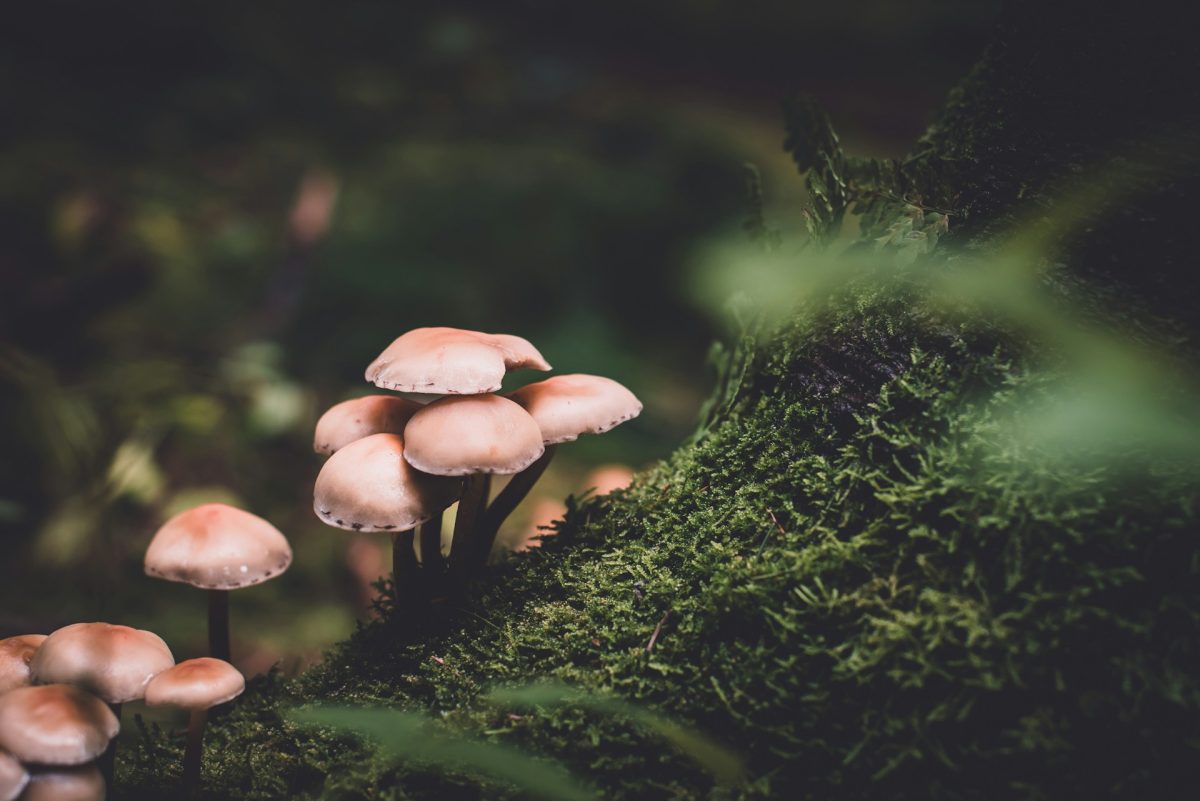
Mushrooms in lawns rarely cause harm to grass itself. The fungus that produces these mushrooms focuses on breaking down organic matter rather than attacking healthy turf. In fact, many soil experts consider fungal activity a sign of a biologically active and healthy lawn environment.
However, caution still matters around mushrooms. Some varieties can be toxic if eaten, which makes supervision important for households with small children or curious pets. Lawn mushrooms can resemble edible species even when they contain harmful compounds. Removing visible mushrooms can reduce the risk of accidental ingestion.
The mushrooms themselves usually disappear quickly once conditions become dry. Removing them manually can improve the appearance of the lawn if their presence feels distracting. Gloves or a simple tool can handle the task easily, and the mushrooms can go straight into yard waste.
Practical Ways to Reduce Mushroom Growth
Mushrooms thrive when moisture and organic matter combine in the soil. Adjusting those conditions can help reduce their appearance in lawns. Improving drainage often makes a noticeable difference because soggy soil encourages fungal activity. Aerating the lawn allows air and water to move more freely through the soil, which helps dry out overly damp areas.
Another helpful step involves removing buried organic material when possible. Old tree roots, decaying wood, and leftover construction debris sometimes sit hidden beneath the grass. These materials serve as a buffet for fungi, which increases mushroom growth. Lawn renovation or soil improvement projects may reveal and remove those hidden food sources.
Watering habits also influence fungal growth. Lawns that receive heavy evening watering often stay damp overnight, which encourages mushrooms. Morning watering allows sunlight and daytime warmth to dry the soil more quickly. Even with these adjustments, mushrooms may still appear occasionally because fungi naturally exist in healthy soil. A lawn does not need to become completely mushroom-free to remain healthy and vibrant.
When Mushrooms Reveal a Healthy Soil Story
Those small mushrooms scattered across a lawn might look strange at first glance, but they often tell a positive story about the ground beneath the grass. Fungal networks break down organic material, recycle nutrients, and support the complex life that keeps soil productive. Their sudden appearance usually reflects the perfect blend of moisture, organic matter, and natural microbial activity working together.
Instead of signaling lawn trouble, mushrooms frequently act as a reminder that the soil ecosystem is alive and active. A yard that supports fungi often contains rich organic material and balanced biological activity that benefits plant growth. Removing mushrooms for appearance is perfectly reasonable, but understanding their role can replace frustration with curiosity.
What surprising patterns or mushroom shapes have appeared in your lawn lately, and what do you think might be happening beneath your soil? Write out your observations, theories, or lawn discoveries in the comments section.
You May Also Like…
Why Your Compost Bin Could Be Breeding a Fungus That Kills Seedlings
How to Stop Mold and Fungus Before They Harm New Growth
Natural Ways To Control Fungus in Plants
Why Compost Smells Different in Autumn
Why Overwatering in March Wastes Money

Brandon Marcus is a staff writer for FrugalGardening.com at District Media, Inc., where he delivers practical gardening advice with a relatable, no-nonsense style. An avid amateur gardener, he holds a BA degree and with over ten years of professional writing experience, he is also an award-winning published author whose first book, Questions For Deep Thinkers, was released by Adams Media. His work has appeared in major publications including Fandom.com, CHUD.com, TheColdWire.com, and Fansided.com.
Leave a Reply