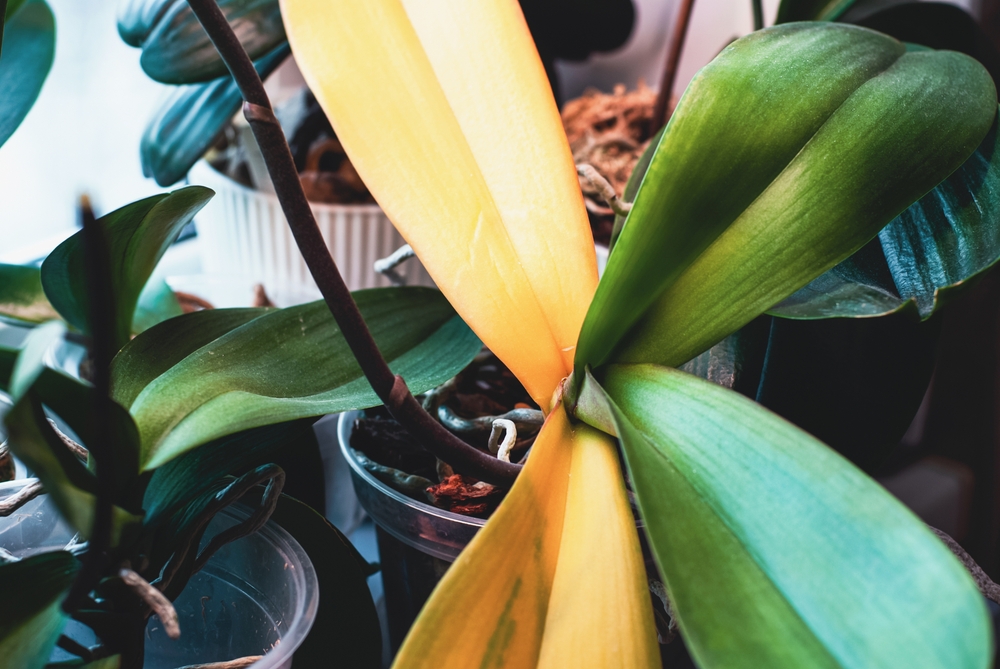
I am prone to overwatering my plants. I suspect that this comes from growing up in the desert. That might sound counterintuitive. However, I have this reverence for the magic of water as a result of my desert upbringing. And so subconsciously, I tend to think that water will solve all plant problems. Which, of course, is not true. In fact, overwatering contributes to one of the most common causes of plant death: root rot. Luckily, you can prevent this problem once you’re aware of it. Moreover, if you catch it early enough, you can rescue your plants from root rot.
What Is Root Rot?
Do you have a plant that doesn’t seem to be growing properly despite watering it regularly? Are the leaves wilting even though the soil is wet? Do the stems feel mushy to the touch? How about the roots – if you look at them, are they the right color? Or are they more of a red-brown shade than they ought to be? Finally, how does the soil smell? If it smells “off” and you see these other symptoms, chances are that you have root rot.
As the name suggests, the roots of your plant are rotting away. Root rot is actually a disease. Blossom Plant explains that it has two common causes: overwatering and harmful fungi. In my case, it’s usually been due to overwatering, as I explained. However, even if you are great at watering your plants properly, they may develop root rot as a result of the growth of bacterial fungi.
Sadly, once you start seeing the symptoms of root rot described above, it might be too late to rescue your plants from root rot. However, it’s worth a try. Caught early enough, there are definitely things that you can do to save your plants.
5 Quick Tips To Rescue Your Plants From Root Rot
The most important thing that you can do is to keep a close eye on your plants. This way, you catch problems early. If caught early, try these five things to rescue your plants from root rot:
1. Carefully Cut Away the Rotting Roots
You can’t actually “cure” root rot. In other words, you must remove the roots that are rotting. In order to do this, you will have to carefully remove the plant from the soil. Then, you will have to remove the soil from the roots as much as possible. This allows you to look at the roots. Hopefully, plenty look thriving, meaning they are vibrant, white, and beautiful. The ones with root rot will look stringy and brown, as though they are dying — because they are. Alternatively, they may be a grey color and may feel slimy to the touch. Carefully cut away all of the rotting roots. You should cut just slightly above the damaged part. Maintain as many healthy roots as possible.
2. Carefully Cut Away the Dying Leaves
Cutting away the rotting roots is the most important part of rescuing your plant. However, you don’t want to leave other dying parts of the plant either. After all, you want to give your plant the best chance of survival. You want healthy roots to support the healthy growth of the rest of the plant. Therefore, you will also want to trim away all of the dying leaves on your plant. Be selective – trim away what you’re sure is dying but leave what might potentially grow well.
3. Repot Your Plant in Fresh Soil
Regardless of the cause of root rot, the soil is now a problem. If you’ve overwatered it, you can certainly let it dry out. Nevertheless, it’s not healthy enough to support the full healing of your plants. Of course, if bacteria is the cause of your root rot, then you want to get rid of the soil that has those bacteria, right? So, it’s time to get rid of all of that soil. Remove as much of it as you safely can from the roots of the plant. Get rid of all the soil that is in the pot. Get fresh, healthy, new, dry soil and repot the plant.
4. Skip the Fertilizer for Now
Plants in a Box explains that your plant is fragile due to root rot. Therefore, you don’t want to add the stress of fertilizer right now. Instead, just make sure that you use high-quality soil for repotting. Then hold off on fertilizer for the time being. Give the plant time to revive.
5. Review Your Plant’s Proper Care
Even if you think that you know your plants well, it’s worth it to refresh your memory. Do a little bit of research into exactly what the best conditions are for this plant to thrive. Pay careful attention to the watering instructions, of course. But also look at the sunlight it needs, the temperature it does best in, etc. You want to give your plant as much TLC as possible while it’s working to heal.
How to Prevent Root Rot in the Future
While rescuing a plant from root rot is possible, prevention is far more effective—and far less stressful. Root rot is sneaky, often progressing out of sight until it’s too late. So the best way to protect your plants is to create an environment where root rot simply can’t take hold. Here’s how to do that.
1. Know Your Plant’s Needs
Every plant is different. Some thrive in moist soil, while others prefer to dry out between waterings. To prevent root rot:
- Research each plant’s ideal watering schedule, light exposure, and humidity levels.
- Group plants with similar needs together to make care easier.
- Use plant care apps or tags to track watering frequency and environmental preferences.
2. Water Wisely
Overwatering is the most common cause of root rot. To avoid it:
- Stick your finger into the soil about an inch deep—if it’s still moist, skip watering.
- Use a moisture meter for more precise readings, especially for sensitive plants.
- Water slowly and evenly, allowing excess water to drain out.
3. Choose the Right Soil
Soil composition plays a huge role in drainage and root health:
- Use well-draining soil mixes tailored to your plant type (e.g., cactus mix for succulents).
- Add perlite, pumice, or sand to improve aeration and drainage.
- Avoid compacted or clay-heavy soils that retain too much moisture.
4. Use Proper Pots
The container matters just as much as the soil:
- Always use pots with drainage holes—no exceptions.
- Avoid decorative pots without drainage unless you use them as outer covers (cachepots).
- Consider terracotta pots, which allow moisture to evaporate more easily than plastic or ceramic.
5. Monitor Regularly
Routine check-ins can catch problems before they escalate:
- Look for early signs of distress: yellowing leaves, mushy stems, or a sour smell.
- Lift the pot occasionally to check for standing water underneath.
- Rotate plants to ensure even light exposure and airflow.
6. Watch for Fungal Growth
Even with perfect watering, fungal pathogens can still cause root rot:
- Sterilize tools and pots before use.
- Avoid reusing old soil unless it’s been properly treated.
- Keep plant areas clean and free of decaying organic matter.
7. Practice Seasonal Adjustments
Plants’ needs change with the seasons:
- Reduce watering in winter when growth slows.
- Increase humidity in dry months using trays or humidifiers.
- Move plants away from cold drafts or intense heat sources.
By integrating these habits into your plant care routine, you’ll create a thriving, rot-resistant environment. Prevention isn’t just about avoiding disaster—it’s about cultivating a deeper relationship with your plants, one rooted in observation, patience, and respect for their unique rhythms.
What to Read Next
- Tips to Prevent Winter Plant Damage
- 5 Ways to Reduce Water Usage in the Garden
- Cheap Ways to Improve Garden Soil
- Why Root Pruning Is Easier in Cooler Weather
- 11 Mulching Mistakes That Can Suffocate Roots

Kathryn Vercillo is a long time writer, crafter and author of several books. A resident of San Francisco, she is committed to helping others explore, articulate and share their own individuals stories. When she’s not evaluating investing opportunities Kathryn is an avid knitter, researcher, and blogger.
Leave a Reply