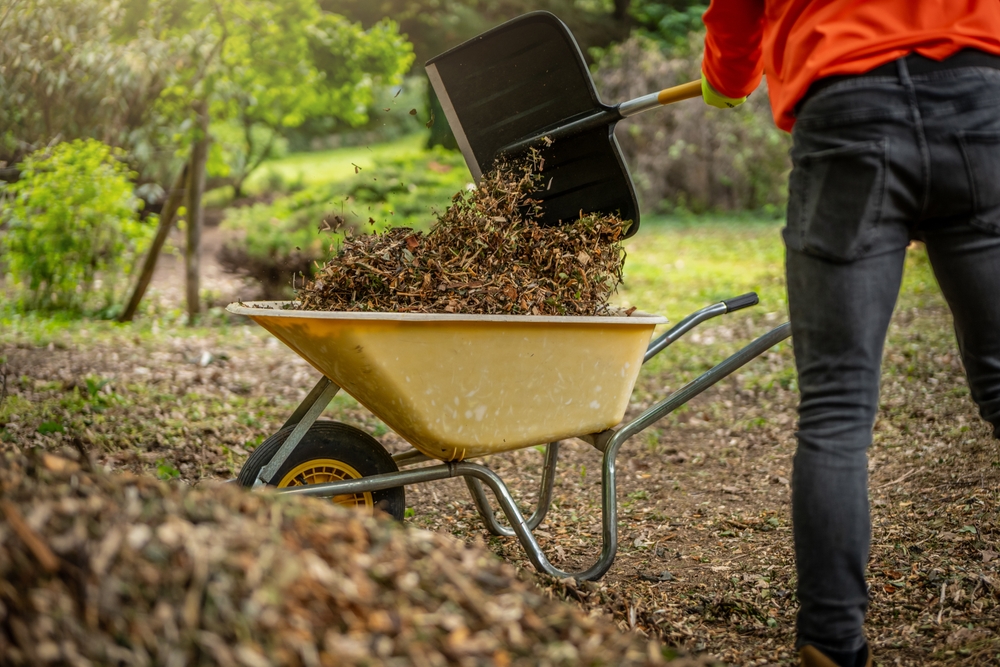
Summer heat can turn a thriving garden into a crispy disaster faster than a forgotten burger on a backyard grill. One blazing afternoon without protection often leaves flower beds dry, vegetables droopy, and soil cracked like an old country road. Gardeners across America spend billions of gallons of water every year trying to fight that constant moisture loss. Smart gardeners know the battle rarely starts with the hose. The real hero usually sits quietly on top of the dirt.
Mulch works like a protective blanket that shields soil from punishing sunlight and relentless evaporation. Bare soil heats up quickly, and once temperatures climb, precious moisture disappears into the air at an astonishing rate. A two-to-three-inch layer of mulch slows that process dramatically and helps soil stay cooler for longer stretches. University extension studies frequently show mulched gardens needing far less watering during peak summer conditions. That difference matters when water bills climb, and drought conditions hit neighborhoods across the country.
Why Bare Soil Loses Water So Fast
Open soil behaves a little like a parking lot during summer. The sun pounds directly onto the surface, temperatures soar, and moisture evaporates almost immediately after watering. Wind makes the situation even worse because moving air strips away surface moisture before roots can absorb enough water. Many gardeners mistakenly assume frequent watering solves the issue. In reality, constant watering without mulch often wastes water while encouraging shallow roots.
Shallow roots create weak plants that depend on daily watering to survive. Tomatoes, peppers, cucumbers, and hydrangeas all struggle when roots remain too close to the hot surface. Mulch encourages roots to dig deeper because the soil beneath stays cooler and consistently moist. Deeper roots improve drought tolerance and help plants survive unpredictable weather patterns. That extra resilience becomes priceless during brutal summer stretches when temperatures refuse to drop.
Heavy rain also causes problems for uncovered soil. Water rushes away instead of soaking in properly, especially in compacted garden beds or sloped landscapes. Mulch slows rainfall and gives moisture time to penetrate deeper into the ground. Organic mulch even improves soil texture over time as it breaks down gradually. Better soil structure means better water retention, which creates a cycle that keeps gardens healthier season after season.
The Best Mulch Choices for Moisture Retention
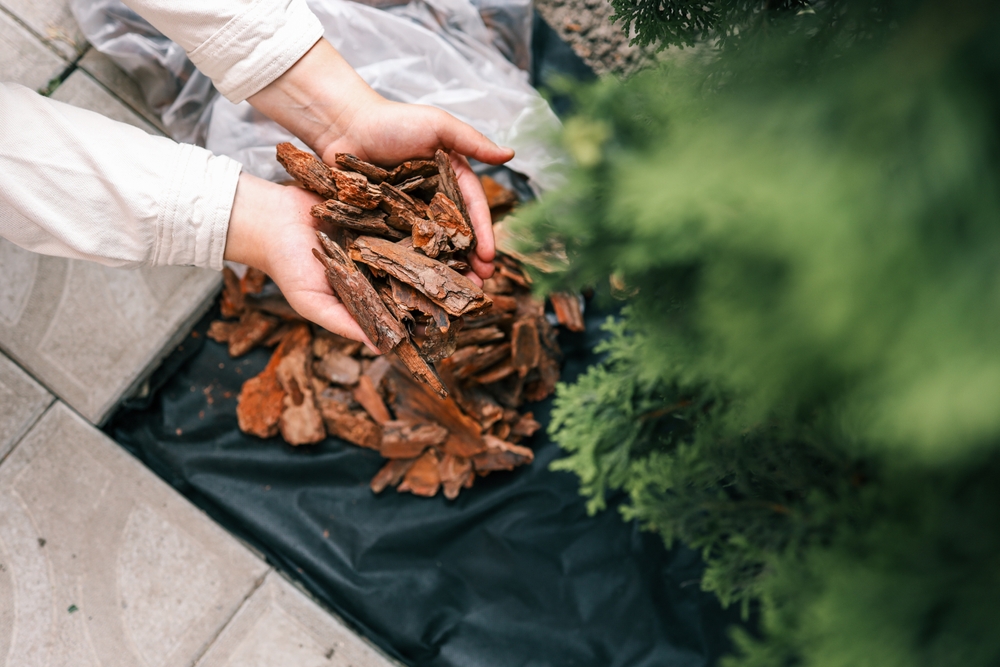
Not all mulch performs the same job equally well. Shredded bark, wood chips, pine straw, compost, and straw each offer different benefits depending on the garden’s needs. Wood mulch remains one of the most popular options because it lasts a long time and provides excellent moisture protection. Pine straw works beautifully around shrubs and trees because it settles lightly while still allowing water to pass through. Compost doubles as both mulch and a soil booster, which makes vegetable gardeners especially fond of it.
Straw mulch shines in vegetable gardens because it keeps produce cleaner while holding moisture effectively. Gardeners often spread straw around tomatoes, squash, and strawberries during peak summer heat. The straw layer reduces mud splash during storms and prevents soil from drying out too quickly. Vegetable roots stay cooler, which encourages steady growth and better yields. A garden covered in straw also gives off serious old-school farmhouse charm.
Rubber mulch and decorative stone appear in many landscapes, but they rarely help moisture retention as effectively as organic materials. Rocks absorb heat and can actually raise soil temperatures around plants. Rubber mulch does not improve soil quality over time because it never decomposes naturally. Organic mulches feed the soil ecosystem while conserving water at the same time. Earthworms, beneficial microbes, and healthy fungi all thrive beneath organic mulch layers.
Common Mulching Mistakes That Hurt Gardens
Too much mulch creates trouble surprisingly fast. Thick piles trap excessive moisture against stems and tree trunks, which encourages rot, fungus, and insect problems. The infamous “mulch volcano” around trees remains one of the most common landscaping mistakes in America. Tree bark needs airflow, and giant mulch piles suffocate roots while attracting pests. A flat, even layer always works better than dramatic mountains of mulch.
Applying mulch too early in spring can also slow soil warming. Cold soil delays vegetable growth and frustrates eager gardeners hoping for early harvests. Waiting until the soil warms naturally helps plants establish stronger roots before adding protective coverage. Timing matters just as much as mulch type when it comes to garden success. Smart gardeners pay attention to soil conditions instead of following a rigid calendar.
Old mulch sometimes develops a crust that repels water instead of absorbing it. This problem shows up frequently with compacted wood mulch that has baked in the sun for months. Fluffing or lightly turning the mulch refreshes airflow and improves water penetration. Adding a fresh thin layer often restores performance without needing a complete replacement. Healthy mulch should feel loose and breathable rather than dense and cement-like.
Mulch Saves More Than Just Water
Water conservation grabs headlines, but mulch delivers several bonus benefits that make gardening easier overall. Weed suppression ranks near the top of the list because mulch blocks sunlight from reaching weed seeds. Fewer weeds mean less competition for moisture and nutrients. Gardeners spend less time pulling crabgrass and more time actually enjoying the yard. That trade alone feels worth the effort for many homeowners.
Mulch also protects soil from erosion during heavy storms. Powerful rain can wash away valuable topsoil in a single afternoon if the ground remains exposed. A mulch layer softens rainfall impact and helps keep nutrients where plants need them most. Healthy topsoil contains beneficial organisms that support strong plant growth throughout the growing season. Protecting that layer saves money on fertilizers and soil amendments later.
Even curb appeal improves with fresh mulch. Landscapes instantly look cleaner, richer, and more polished after a proper mulch application. Dark mulch around bright flowers creates a striking contrast that makes gardens pop visually. Realtors often recommend fresh mulch before listing homes because it boosts perceived property value quickly. A simple layer of mulch can make a yard look professionally maintained without breaking the budget.
The Garden Upgrade That Pays Off All Season
Great gardens rarely happen by accident, and mulch quietly does some of the heaviest lifting in the landscape. It keeps soil cooler, reduces evaporation, improves root health, and cuts down on constant watering. Plants grow stronger because moisture stays available when roots need it most. Gardens also become more resilient during drought, scorching temperatures, and sudden downpours. One simple layer transforms struggling soil into a healthier growing environment almost immediately.
What type of mulch works best in local gardens, and which mulch mistakes caused the biggest headaches over the years? Share thoughts, tips, and garden stories in the comments.
You May Also Like…
Stop Buying Mulch: 3 Free Alternatives Already in Your Backyard
The Mulch Depth Error That Blocks Oxygen to Roots
How Mulch Color Can Affect Your Garden More Than You Think
A Backyard Material That Can Work as Well as Mulch
Why Many Gardeners Wait Until Mid-March to Buy Mulch

Brandon Marcus is a staff writer for FrugalGardening.com at District Media, Inc., where he delivers practical gardening advice with a relatable, no-nonsense style. An avid amateur gardener, he holds a BA degree and with over ten years of professional writing experience, he is also an award-winning published author whose first book, Questions For Deep Thinkers, was released by Adams Media. His work has appeared in major publications including Fandom.com, CHUD.com, TheColdWire.com, and Fansided.com.
Leave a Reply