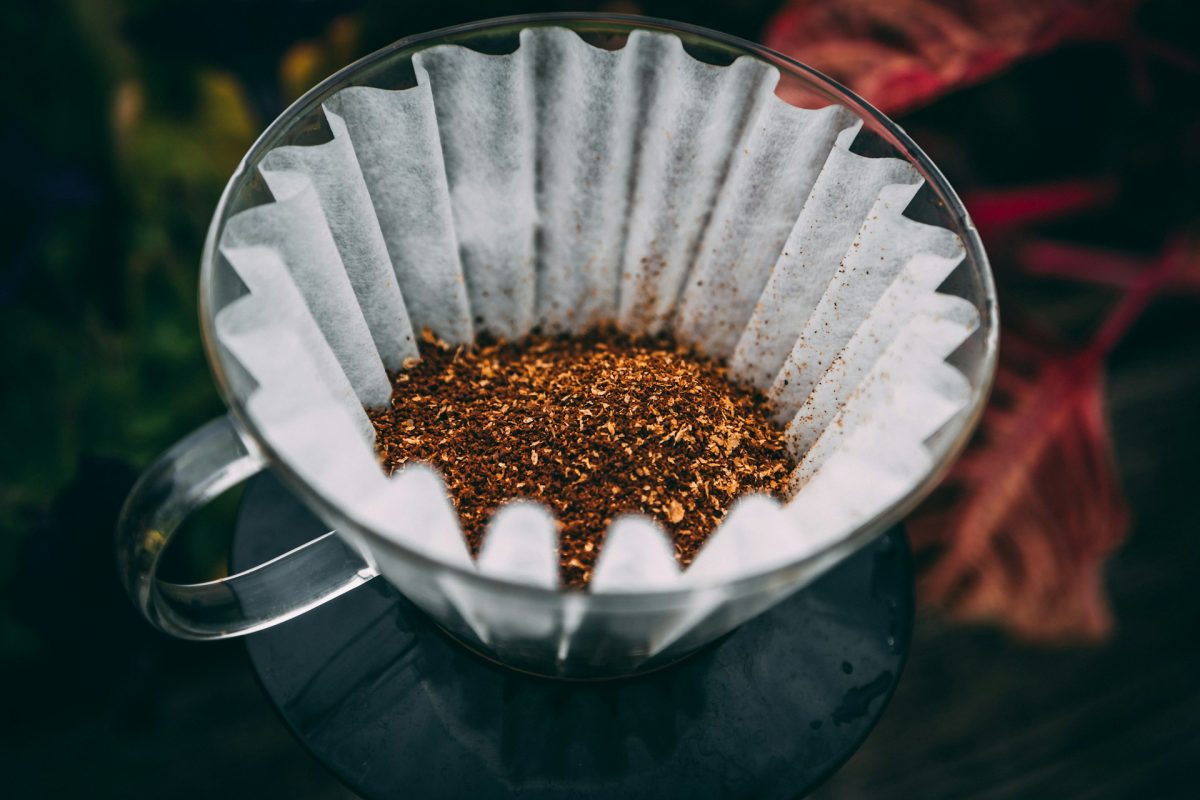
Coffee isn’t just the lifeblood of mornings—it’s secretly a superhero in your garden too. Those leftover coffee grounds hiding in the kitchen aren’t trash; they’re miniature power-packed bundles of nutrients ready to give your plants a boost. Imagine turning your morning ritual into a green-thumbed adventure while reducing waste at the same time. It’s like hitting two birds with one coffee-stained stone, without harming a single plant. But before dumping coffee grounds willy-nilly, there’s a little science and a lot of strategy involved. Using them incorrectly can actually hurt your greenery instead of helping it flourish.
Plants are picky, and soil is their delicate stage. While coffee grounds are rich in nitrogen and other nutrients, they can disrupt soil balance if misused. Sprinkle too much, and roots might struggle. Mix improperly, and you risk creating a slimy layer that repels water. Luckily, with a few smart tricks, these grounds can enhance compost, enrich soil, and even help keep pests away.
From Cup to Compost: Transforming Coffee Grounds Safely
Coffee grounds aren’t just plant food; they’re compost gold when handled properly. The first step is patience: used grounds should dry out before they hit the soil. Fresh, wet grounds can compact and create a dense, water-repelling layer that suffocates roots. Spread them on a tray or newspaper and let them air dry for a day or two. Once dry, sprinkle lightly over compost piles or mix into the top few inches of garden soil. Their slightly acidic nature can help balance pH levels, especially in soil that leans too alkaline.
Pairing coffee grounds with other compost materials, like shredded leaves or vegetable scraps, produces the best results. Too many grounds in one spot can create a nitrogen overload, which may burn delicate plants or inhibit growth. Mixing ensures a nutrient-rich, well-balanced compost that encourages microorganisms to thrive. These tiny soil helpers break down organic matter and release nutrients slowly, giving plants a steady energy supply. Coffee grounds also help retain moisture, improve soil structure, and even encourage earthworm activity—a win-win for happy, healthy gardens.
Secret Weapon Against Garden Pests
Coffee grounds can do more than nourish—they can repel. Certain pests, including slugs and snails, dislike crawling over gritty, caffeine-laden surfaces. Sprinkling a light ring around plant bases or along garden edges can act as a natural barrier. Just remember: it doesn’t have to be a fortress. A thin layer is enough to deter without overwhelming your plants or altering the soil’s pH too drastically. Overdoing it can make soil overly acidic, which some vegetables, like beans and cucumbers, don’t appreciate.
For those experimenting with container gardens, coffee grounds can be particularly effective. Mix them into the top layer of potting soil to keep tiny invaders at bay while providing a slow-release nutrient source. The texture is gritty but gentle enough not to clog drainage. Pairing with crushed eggshells or diatomaceous earth can amplify the effect while giving your plants extra minerals. This pest-repelling tactic isn’t a replacement for good gardening practices, but it’s a creative, low-cost addition to a plant care routine that reduces reliance on chemicals.
Coffee Grounds as Mulch: Handle with Care
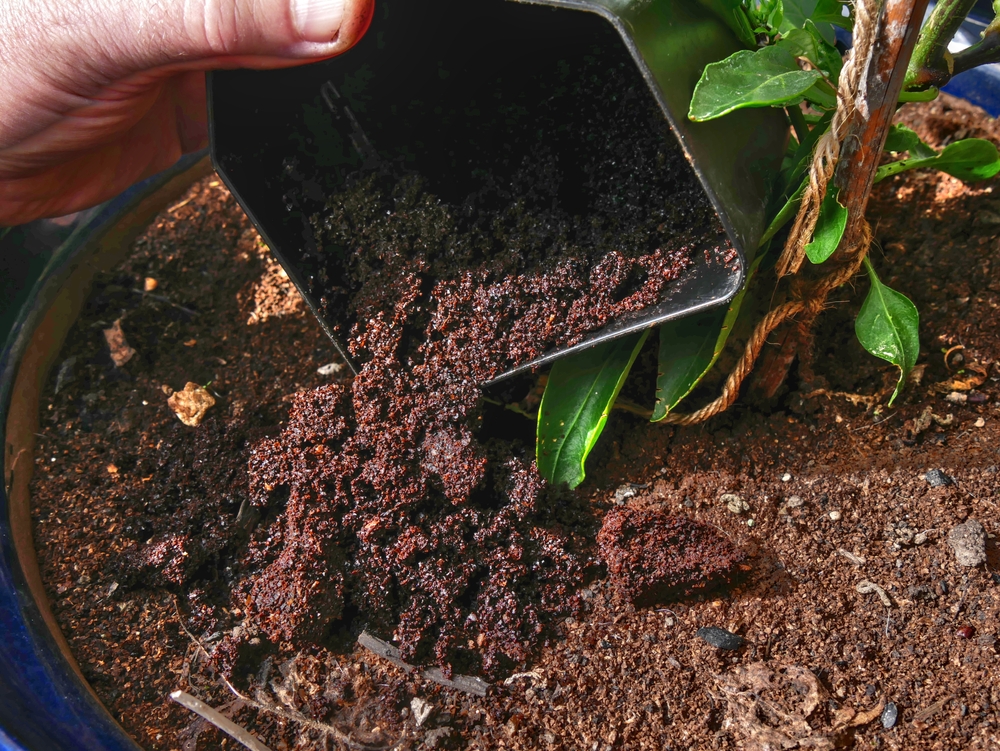
Using coffee grounds directly as mulch can feel like a shortcut, but it requires a little finesse. Sprinkle a thin layer around plants, and then cover it with leaves, straw, or bark chips to avoid clumping. Fresh grounds alone can compact, block water, and create a surface crust, while a mixed approach provides aeration and moisture retention. Mulching with coffee also helps regulate soil temperature, keeping roots cooler in summer and warmer in winter.
Plants that thrive with slightly acidic soil, like blueberries, azaleas, and roses, benefit the most from coffee mulch. For less acid-tolerant species, moderation is key. Mixing grounds into standard mulch layers ensures they release nutrients gradually without shocking the soil. Regularly fluffing or turning the mulch can prevent caking and maintain proper aeration. This method transforms what would have been waste into a functional, plant-friendly layer that nourishes, protects, and enhances garden aesthetics.
When to Skip the Coffee Grounds
Despite their benefits, coffee grounds aren’t universal plant magic. Avoid using them in excessive amounts on young seedlings or plants sensitive to acidic soil. Too much nitrogen at once can stunt growth or burn leaves. Heavy feeders like leafy greens or nitrogen-loving herbs tolerate grounds better than delicate flowering plants. Always balance coffee additions with other compost materials and fertilizers. A good rule of thumb: moderation and mixing are essential.
Coffee grounds also shouldn’t replace traditional watering or soil management practices. They complement existing routines rather than act as a miracle cure. Over-reliance can create problems faster than it solves them. Pairing grounds with proper watering schedules, mulch layering, and regular soil testing ensures plants thrive without surprises. Monitoring plant reactions over time is the best strategy—each garden has its own personality, and coffee’s effects can vary from plot to plot.
Brewing Success
Coffee grounds can elevate your gardening game when used thoughtfully. Dry them, mix them into compost, sprinkle lightly as mulch, and enjoy their subtle pest-repelling powers. Balance is everything: too much can harm, but the right amount nourishes, protects, and energizes your soil. They’re a sustainable, budget-friendly way to turn everyday waste into garden magic. Think of coffee grounds as a versatile sidekick: not the star of the show, but essential for behind-the-scenes success.
Which plants in your garden would benefit from a sprinkle of this java-powered boost? Share your insights, creative hacks, or cautionary tales in the comments below.
You May Also Like…
How to Use Coffee Grounds Safely in the Garden
From Coffee Grounds to Eggshells: 10 Homemade Fertilizers You Already Have at Home!
7 Budget-Friendly Mulch Alternatives That Last Longer Than You Expect
Why Your Compost Isn’t Heating Up
The Compost Mistake That Wastes Money Every Spring

Brandon Marcus is a staff writer for FrugalGardening.com at District Media, Inc., where he delivers practical gardening advice with a relatable, no-nonsense style. An avid amateur gardener, he holds a BA degree and with over ten years of professional writing experience, he is also an award-winning published author whose first book, Questions For Deep Thinkers, was released by Adams Media. His work has appeared in major publications including Fandom.com, CHUD.com, TheColdWire.com, and Fansided.com.
Leave a Reply