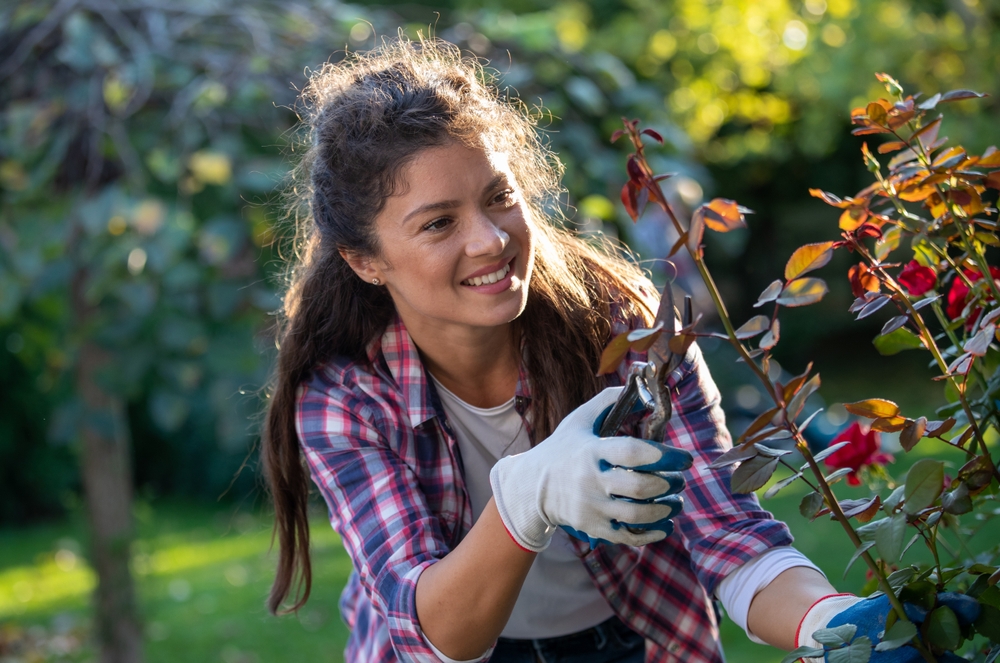
Fall cleanup has a satisfying rhythm: pull the annuals, rake the leaves, put away the hoses and trim everything that looks unruly before winter. But reaching for the pruning shears simply because a shrub looks messy can create problems that won’t become obvious until months later. Some fall pruning mistakes remove flower buds that have already formed for spring, while others encourage tender new growth at exactly the wrong time of year. In many cases, a healthy branch that looks unnecessary in October is better left alone until the plant is dormant or has finished flowering next year. Before you start cutting your landscape down for winter, these are the mistakes worth avoiding.
1. Pruning Spring-Blooming Shrubs in Fall
Lilacs, forsythia, azaleas, rhododendrons and many viburnums have something important in common: their spring flower buds develop on older growth. Penn State explains that most spring-blooming shrubs flower on “old wood,” meaning they should generally be pruned shortly after flowering rather than in fall. Cut those branches in October and you may be physically removing the buds that would have produced next year’s show. The plant might survive perfectly well, which can make the mistake confusing when you’re staring at a healthy but flowerless shrub in April. Of all the fall pruning mistakes, this may produce one of the most visible consequences.
2. Encouraging Tender Growth Right Before Freezing Weather
Pruning isn’t merely subtracting growth from a plant; it can stimulate a response from the plant as well. University of Maryland advises against pruning shrubs during the fall period because new growth may not have sufficient time to harden before winter. Additionally, late-summer pruning can encourage a flush of tender growth vulnerable to frost damage and dieback. That fresh growth might look encouraging during a warm October spell, only to be injured when temperatures suddenly drop. Waiting can be especially important during unusually mild autumns when plants haven’t fully transitioned toward dormancy.
3. Giving Every Hydrangea the Same Haircut
Few plants demonstrate the danger of one-size-fits-all pruning advice better than hydrangeas. Penn State notes that smooth hydrangeas and panicle hydrangeas flower on new wood, while oakleaf hydrangeas flower on old wood and bigleaf hydrangeas traditionally bloom mainly on old wood, although some newer cultivars can also flower on new growth. That means two hydrangeas sitting on opposite sides of your porch could require completely different pruning schedules. Cutting an old-wood variety heavily in fall can sacrifice much of the following season’s flower display. Before pruning a hydrangea, identify its species or cultivar rather than relying on advice intended for a completely different type.
4. Shearing Shrubs Into Perfect Balls
Hedge shears make a shrub look tidy quickly, which is probably why they’re so tempting during fall cleanup. Unfortunately, repeatedly shearing flowering shrubs can create dense growth around the outside while reducing healthy interior growth and altering their natural form. Repeated shearing encourages numerous sprouts near branch tips, eventually creating a thick exterior that shades the shrub’s interior. Selective thinning cuts made with hand pruners or loppers are often a better approach for naturally shaped flowering shrubs. Avoiding these fall pruning mistakes sometimes means accepting that a healthy plant isn’t supposed to resemble a perfectly trimmed green meatball.
5. Removing Too Much at One Time
An overgrown shrub can make aggressive pruning feel justified, particularly when you’re determined to finish fall cleanup in one weekend. Removing large amounts of healthy growth, however, can stress a plant unnecessarily and leave you with a landscape that takes years to regain an attractive shape. For older multi-stem shrubs, the University of Minnesota recommends renewal pruning that removes up to one-third of the oldest, thickest stems at ground level each year. Gradual renewal allows younger stems to replace older wood rather than forcing the entire shrub to recover from one drastic haircut. If a plant constantly needs extreme pruning just to fit its location, the bigger problem may be that the mature plant is too large for the space.
6. Making Bad Cuts Just to Make the Yard Look Neater
Correct timing won’t compensate for poor technique. Leaving long branch stubs, tearing bark or cutting a branch flush against the trunk can create unnecessary problems for trees and shrubs. University of Minnesota recommends making tree pruning cuts just beyond the branch collar rather than leaving a stub or making a flush cut against the trunk. Sharp tools also matter because clean cuts cause less physical damage than ragged cuts made with dull blades. When you’re dealing with large branches, anything near utility lines or work that requires climbing, saving money by doing it yourself can become a false economy and a certified arborist may be the safer choice.
7. Assuming Dead or Dangerous Branches Must Wait
Avoiding unnecessary fall pruning doesn’t mean you should ignore an obvious hazard until spring. Dead, broken and certain diseased branches are different from healthy branches being removed simply to reshape a plant. Penn State notes that removing dead, damaged and diseased wood can reduce insect and disease problems, while other experts advise that dead, diseased, or crossing branches can be addressed as needed. If disease is suspected, clean tools appropriately between cuts so you aren’t carrying pathogens from one branch or plant to another. Think of this as corrective maintenance rather than an excuse to reshape the entire shrub.
8. Treating Every Tree Like a Shrub
Trees deserve their own pruning plan, and fall isn’t universally the best time to work on them. University of Minnesota notes that autumn or early-winter pruning of some trees can increase drying and dieback at pruning sites, while late winter is preferred for several common species. Disease risk can also influence timing, meaning the ideal window may depend on the tree rather than simply whether its leaves have fallen. Large-tree pruning also introduces risks involving falling limbs, ladders and nearby structures that aren’t present when trimming a small shrub from ground level. One of the most expensive fall pruning mistakes could be treating a mature tree like an oversized hedge that just needs a quick trim.
9. Pruning Without Knowing Why You’re Cutting
Before making any cut, ask what you’re trying to accomplish. Good reasons include removing dead or damaged wood, improving structure, correcting crossing branches, renewing an aging shrub or managing a specific plant’s size. “It’s fall and I always trim everything” isn’t a horticultural reason. Penn State emphasizes that controlling size is relatively low on the list of reasons for pruning and that most plants remain healthier and more attractive when allowed to retain their natural forms. Identifying the goal first makes it much easier to decide whether a branch should come off now, later or not at all.
Sometimes the Best Fall Pruning Tool Is Patience
Avoiding fall pruning mistakes doesn’t mean abandoning your landscape until spring. Remove genuine hazards and damaged material when appropriate, but learn which shrubs flower on old wood before cutting healthy branches simply to make the yard look finished. Save many summer-blooming shrubs for late winter or early spring, prune spring bloomers after flowering and identify hydrangeas before assuming you know where their flowers develop. A few minutes of research can save an established plant from unnecessary stress and preserve the flowers you’ve been waiting all winter to see.
Have you ever pruned a shrub in fall only to wonder why it barely flowered the following spring?
What to Read Next
10 Bulbs to Plant in October for Strong Spring Color
Buy Garden Supplies Now or Wait Until Spring? 7 Things That Are Often Cheaper Off-Season
Leaving Soil Bare All Winter? You May Be Creating More Work for Spring
Leave a Reply