Garlic is one of those crops that asks you to think about next summer while you’re still cleaning up this year’s garden. Plant too early, and warm fall weather can encourage more top growth than you want before winter; wait until the soil is frozen solid, and you’ve missed the easiest opportunity for the cloves to establish roots. The sweet spot for when to plant garlic usually arrives after fall has clearly settled in but before the ground becomes unworkable. That may mean October for many gardeners, September in colder regions, or even November where winter arrives later. Getting the timing right gives each clove a chance to establish underground before spending winter preparing for its big spring push.
Don’t Choose Your Planting Date by the Calendar Alone
There isn’t one perfect garlic-planting weekend that works everywhere in the United States. Utah State University gives a broad fall planting window from mid-September through early November, while Penn State recommends mid- to late October for its region. Gardeners farther north may need to plant earlier, while people gardening in milder climates can often wait considerably longer. That’s why your expected frost and freeze dates are more useful than simply circling October 15 on the calendar. When deciding when to plant garlic, start with your local climate rather than someone else’s planting date on social media.
Aim for Roots Before the Ground Freezes
The goal of fall planting isn’t to grow a beautiful garlic plant before Christmas. Instead, you want the clove to begin developing a healthy root system underground before sustained freezing conditions arrive. Penn State recommends planting early enough for good root development before the ground freezes but late enough to discourage significant shoot growth above the soil. Another Penn State guide suggests planting roughly three weeks before the ground freezes, giving the roots time to establish. Think of fall as garlic’s setup period—the dramatic growth happens when warmer weather returns.
A Little Green Growth Isn’t a Disaster
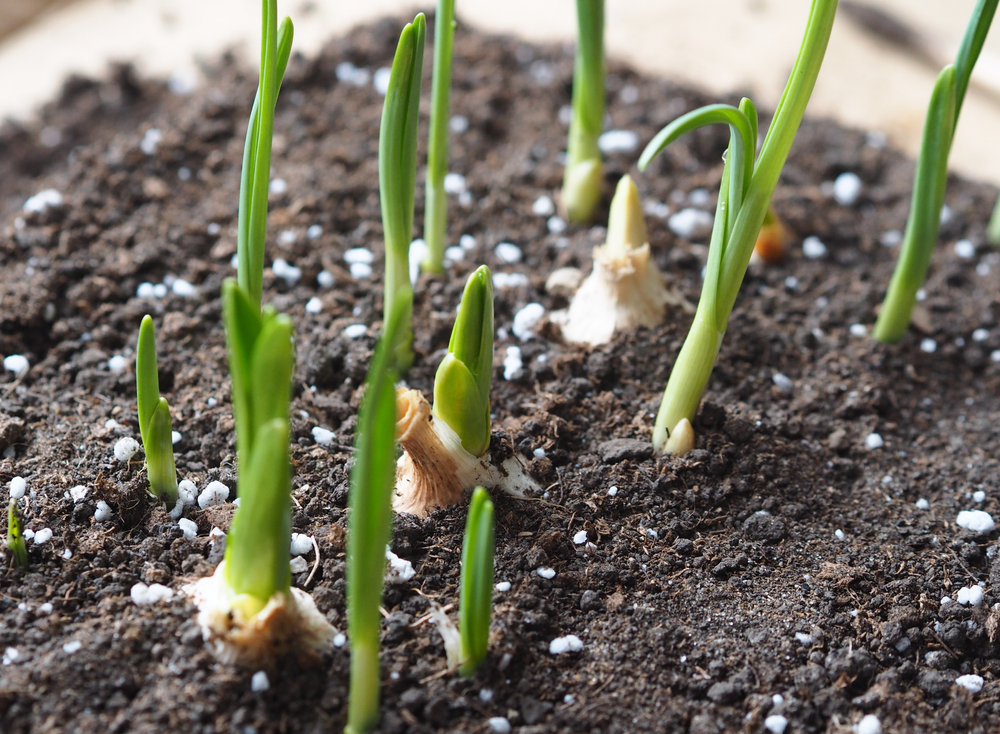
Gardeners sometimes panic when garlic leaves poke through the mulch during an unusually warm November. While avoiding excessive fall growth is preferable, a few inches of green doesn’t necessarily mean you’ve ruined next year’s crop. Penn State notes that garlic sprouts can emerge several inches before truly cold weather and generally experience little damage unless temperatures become extremely cold. A protective mulch layer can reduce temperature swings and help limit winter injury. So if you misjudged when to plant garlic by a week or two and see green shoots, don’t dig the cloves back up.
Give Garlic the Soil It Needs Before Planting
Perfect timing won’t compensate for planting garlic into soggy, compacted ground. Utah State University recommends fertile, well-drained soil with plenty of organic matter, while Penn State notes that poorly drained conditions can contribute to serious bulb diseases. Work compost or other appropriate amendments into the bed before planting rather than trying to repair bad soil after the cloves are underground. Choose a spot receiving full sun, and avoid low areas where water tends to collect after rain or snowmelt. Garlic spends months in that bed, so drainage can matter just as much as the date you plant it.
Plant the Biggest Healthy Cloves
You don’t need to plant every clove simply because it came in the seed-garlic bulb. Select the largest, firmest, disease-free cloves for planting and save undersized or damaged ones for the kitchen. Penn State advises breaking bulbs apart no more than about a day before planting so the root nodules don’t unnecessarily dry out and notes that larger cloves tend to produce larger bulbs. Seed garlic from a reputable local grower, garden center or seed supplier can also be a better choice than random supermarket garlic because varieties differ in regional suitability. Starting with good planting stock costs a little more upfront but improves the odds that the garden space you dedicate to garlic actually produces worthwhile bulbs.
Point the Clove in the Right Direction
Once you’ve figured out when to plant garlic, the actual planting process is refreshingly simple. Place each clove with its flat root end downward and its pointed end facing upward, because that’s the direction the new shoot needs to travel. Planting recommendations vary somewhat by soil and climate, but Utah State suggests placing cloves about two to three inches deep and three to four inches apart, while Penn State recommendations commonly fall within similar ranges depending on the production method. Give plants enough room that developing bulbs aren’t competing heavily with their neighbors. If you’ve ever planted spring bulbs, the process will feel very familiar—just on a smaller scale.
Mulch Becomes Cheap Winter Insurance
A layer of mulch can make the months between planting and spring growth much less stressful for both the garlic and the gardener. University of Minnesota recommends covering garlic beds with three to four inches of leaf or straw mulch to moderate fluctuating winter temperatures and help suppress weeds. Penn State similarly recommends straw mulch, noting that it can preserve soil moisture and reduce frost heaving. Shredded fall leaves can work particularly well for a frugal gardener because you may already have piles of them available for free. Just use clean material and avoid leaves from plants with serious disease problems that you don’t want introduced into the vegetable garden.
Hardneck and Softneck Garlic Aren’t Exactly the Same
Your climate should also influence what type of garlic you plant. Hardneck varieties generally perform particularly well in colder climates and produce the edible flower stalks known as scapes, while softneck varieties tend to store longer and are the type commonly braided. Penn State notes that hardneck garlic benefits from winter chilling, a biological process called vernalization that helps produce properly developed bulbs. Gardeners in warmer climates may have better results with appropriate softneck varieties that are less dependent on prolonged cold exposure. Knowing what you’re growing helps answer when to plant garlic because both the variety and local winter conditions matter.
The Best Window Is Short, but It’s Forgiving
For most gardeners, the safest rule is simple: plant garlic in fall after temperatures have cooled but while there’s still enough unfrozen soil time for roots to develop. Don’t become so obsessed with finding the perfect date that you miss the season entirely, because garlic can tolerate some variation in timing. Prepare a sunny, well-drained bed, plant large healthy cloves point-up, water them in and protect the bed with mulch where winter conditions warrant it. Once that’s finished, there’s surprisingly little to do until green shoots begin appearing in spring.
When do you usually plant garlic in your area—and have you ever planted too early or too late and still gotten a good harvest?
What to Read Next
A $5 Bag of Garlic Could Become a Garden Full of It — Here’s When to Plant
Can You Grow Grocery Store Garlic Instead of Buying Seed Garlic?
Garlic Goes in the Ground This Fall, But Timing It Wrong Can Ruin Next Year’s Harvest
Leave a Reply