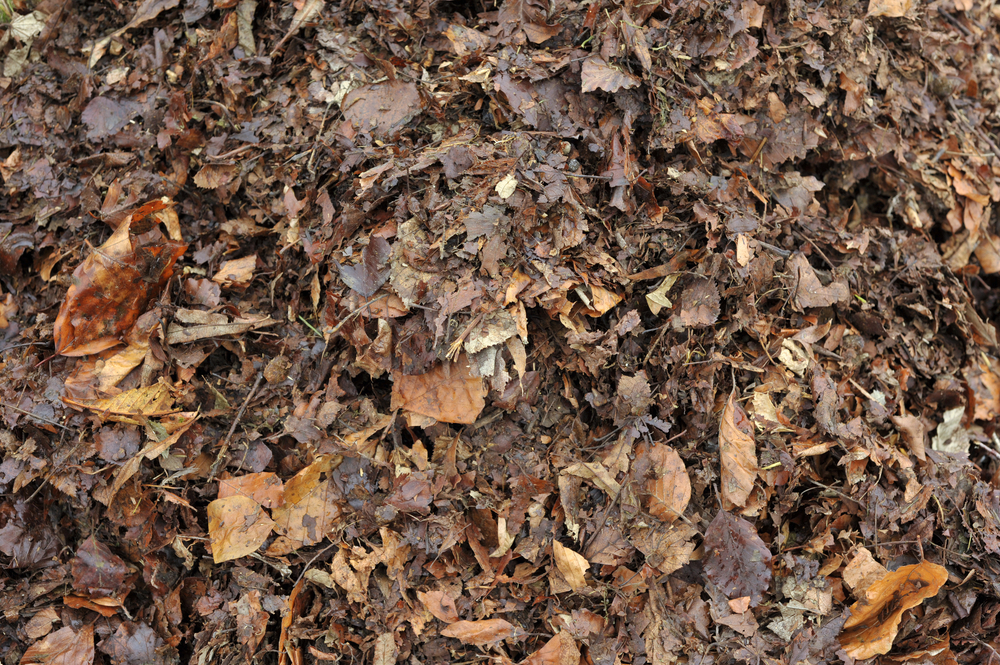
Every fall, gardeners fill bags with something they may turn around and pay to replace a few months later. Fallen leaves can become mulch, compost and organic matter, making them one of the most useful free materials your yard produces. Instead of hauling them away, strategic leaf mulch uses can protect exposed soil, suppress winter weeds and slowly return organic material to garden beds as the leaves break down. Oregon State University recommends using leaves over vegetable beds because they can reduce compaction from winter rain, improve soil structure and boost fertility. The trick isn’t simply dumping every leaf into one giant pile—it’s putting them where they’ll provide the most value.
1. Cover Empty Vegetable Beds for Winter
Bare vegetable beds have nothing protecting the soil from pounding rain, wind or repeated winter weather. Oregon State University recommends applying roughly one to two inches of leaves to annual vegetable or flower gardens in fall, where they add organic matter, protect against raindrop impact and help smother winter annual weeds. That means the tomato bed you cleared in September doesn’t necessarily need a purchased bag of mulch before winter arrives. Spread leaves across the surface and let weather and decomposition begin doing some of next spring’s soil preparation for you. Among the easiest leaf mulch uses, this one requires little more than moving leaves from the lawn to the garden.
2. Shred Leaves Where Thick Mats Would Be a Problem
Whole leaves don’t always behave nicely when they’re piled deeply onto a vegetable or ornamental bed. Large leaves can mat together when wet, potentially limiting airflow and making an uneven blanket that is slow to break down. Penn State recommends shredded leaves as mulch around trees, shrubs and perennial beds because shredding makes them less likely to form heavy mats. Running dry leaves over with a mower can turn an enormous pile into a surprisingly compact supply of usable garden mulch. You don’t need to pulverize them into dust; simply chopping larger leaves into smaller pieces makes them easier to spread and quicker to decompose.
3. Protect Perennials From Winter Temperature Swings
Winter mulch isn’t primarily a blanket designed to keep perennial roots warm all season. Its more important job in cold climates can be moderating the freeze-thaw cycles that cause plants to heave out of the ground and expose roots. University of Minnesota recommends five to six inches of whole or shredded leaves as one possible protective mulch for perennial and bulb beds, applied after the soil begins freezing. Applying thick winter protection too early can actually encourage growth beneath the mulch, which is why timing matters. This is one of those leaf mulch uses where waiting until colder weather can be more beneficial than finishing the job during the first fall cleanup.
4. Turn Leaves Into Leaf Mold
If you have more leaves than garden beds, don’t consider the leftovers waste. Pile them in a corner, contained area or simple wire enclosure and allow fungi, moisture and time to gradually transform them into leaf mold. Penn State describes leaf mold as decomposed leaves that eventually become a dark, crumbly material that can be used as mulch or a soil amendment. Unlike a carefully managed hot compost pile, a leaf pile can be remarkably low-maintenance if you’re willing to let decomposition happen slowly. Next season’s pile of brown organic material may be far more useful in your garden than another stack of plastic bags filled with commercial amendments.
5. Use Leaves Around Trees and Shrubs
Leaves don’t have to travel very far to become useful mulch because they can remain beneath the trees that dropped them. Penn State recommends shredded leaves in layers approximately two to four inches deep around trees, shrubs and perennial beds, where they can moderate soil temperatures, conserve moisture and suppress weeds. Keep mulch away from trunks and plant crowns rather than piling it into the familiar “mulch volcano” shape around a tree. University of Minnesota recommends leaving a mulch-free ring around tree trunks to reduce problems involving rot and insects. Used properly, this is one of the leaf mulch uses that can reduce how much bagged bark you need to purchase next spring.
6. Let Decomposition Return Nutrients to the Soil
Leaves aren’t equivalent to a bag of balanced fertilizer, but they aren’t nutritionally worthless either. Oregon State reports that most types of leaves are a useful source of potassium and that a two-inch application can provide roughly 0.3 to 3 pounds of potash per 1,000 square feet, depending on the leaves. As organic mulch decomposes, it also contributes organic matter that helps support soil structure and biological activity. University of Minnesota notes that organic mulches improve physical and biological soil properties as they break down. Think of leaves as a slow soil-building resource rather than expecting them to function like an instant fertilizer application.
7. Use Them to Fight Winter Weeds
The garden may look dormant in November, but weeds don’t necessarily respect your gardening calendar. A layer of leaves blocks light from reaching the soil surface and can make conditions less favorable for winter annual weeds to germinate and establish themselves. Oregon State specifically identifies suppressing winter annual weeds as one benefit of applying leaves to annual garden beds in fall. That potentially means fewer weeds to pull when you’re trying to plant peas, lettuce or other early crops next spring. Saving yourself labor is one of the leaf mulch uses that’s easy to overlook when you’re focused solely on improving the soil.
8. Don’t Automatically Shred Every Leaf You Have
There is a useful ecological tradeoff worth considering before sending the entire yard through the mower. Penn State Master Gardeners recommend leaving some leaves intact because moths, butterflies and other insects can overwinter in leaf litter as eggs, caterpillars, pupae or adults. Whole leaves can be raked into appropriate ornamental beds, beneath trees or into designated areas where they can decompose naturally without smothering lawn grass. That approach gives you the practical benefits of shredded leaves where you need manageable mulch while preserving some intact habitat elsewhere. A frugal garden doesn’t have to choose between improving the soil and supporting beneficial insects when different parts of the yard can serve different purposes.
9. Keep Diseased Material Out of Your Leaf Mulch
Free mulch stops being a bargain if you’re deliberately spreading plant disease around the garden. Leaves showing signs of significant disease may require different handling depending on the particular pathogen, so don’t automatically move every questionable leaf into vegetable beds. Likewise, thick piles shouldn’t be allowed to smother grass simply because leaving leaves in place is beneficial somewhere else. University of Minnesota warns that heavy leaf accumulation can block sunlight and trap moisture on turf, while recommending those leaves instead for compost or garden mulch. Good leaf mulch uses are about redistributing this resource thoughtfully rather than simply refusing to rake anything.
Those Fall Leaves May Be Worth Keeping
Leaves falling across your yard aren’t just another cleanup expense waiting for a plastic bag. They can protect vegetable beds, insulate perennials, suppress weeds, mulch trees and shrubs, create leaf mold and gradually return organic matter to the soil. You don’t need special equipment beyond a rake, and shredding leaves where appropriate can be as simple as running a mower over them before moving them into beds. Keep some leaves intact where overwintering insects can use them, and avoid spreading diseased material or burying plants beneath excessive layers.
Do you reuse your fall leaves in the garden, or have you always bagged them and sent them away?
What to Read Next
What Happens If You Leave Carrots in the Ground All Winter?
Stop Fertilizing These Plants Before Winter — You May Be Encouraging the Wrong Growth
Leaving Soil Bare All Winter? You May Be Creating More Work for Spring
Leave a Reply