Winter might seem like a slow season for gardeners, but January is secretly one of the best months to get a jumpstart on your vegetable garden. While snowflakes drift outside your window or frost crunches underfoot, your green-thumb dreams can already be sprouting indoors. Starting vegetables from seed in January isn’t just about saving money—it’s about building anticipation, experimenting with rare varieties, and having first dibs on spring harvests.
With a few trays, some potting soil, and a little light, your kitchen or sunroom can transform into a miniature greenhouse buzzing with potential. Get ready to discover seven vegetables that will stretch your dollar and reward you with vibrant, fresh produce by the time the weather warms up.
1. Tomatoes: Tiny Seeds, Big Savings
Tomatoes are notorious for being pricey in garden centers, especially heirloom varieties that can cost several dollars per plant. By starting them from seed in January, you not only save money but also gain access to hundreds of unique flavors and colors that rarely hit store shelves. These sun-loving plants thrive when given warmth and light indoors, and by the time outdoor planting season arrives, they’re strong and ready to produce a bounty.
Seed-starting trays make it easy to manage multiple varieties at once without taking up too much space. Patience pays off, and your first taste of homegrown tomatoes will be far sweeter than any store-bought version.
2. Peppers: Spice Up Your Savings
Bell peppers, hot peppers, and exotic varieties are often expensive in nurseries, but seeds are incredibly affordable. January is perfect for giving these slow growers a head start before the growing season begins. Peppers enjoy warm soil and bright light, so a sunny windowsill or small grow light can work wonders. The thrill of watching tiny seedlings push through the soil is amplified by knowing each little sprout represents hundreds of dollars in potential plants. By the time spring rolls around, your pepper patch will be bursting with color and ready to spice up any dish.
3. Lettuce: Fast-Growing Frugality
Lettuce may seem simple, but starting it from seed in January is an exercise in both patience and strategy. Seeds are dirt-cheap, while trays of young plants at garden centers can be surprisingly pricey. Lettuce loves cooler temperatures, which makes it perfect for indoor seed starting without complicated heat mats. You can experiment with dozens of varieties, from buttery Bibb to frilly red leaf, and rotate them through your indoor garden for constant harvests. Starting early means you’ll have a steady supply of fresh salad greens long before supermarket lettuce even hits the shelves.
4. Broccoli: Crunchy, Cost-Effective Greens
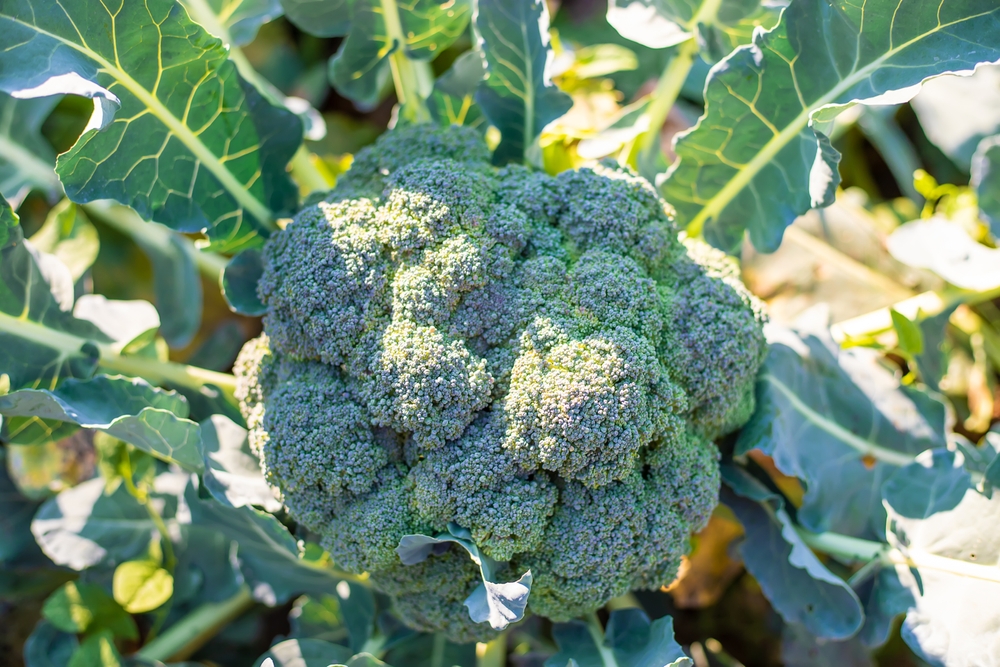
Broccoli seedlings purchased at nurseries can make a serious dent in your budget, but seeds are tiny, cheap, and surprisingly resilient. January seed starting gives these slow-growing brassicas the time they need to mature for a strong spring planting.
Indoor seed trays allow careful control over temperature and moisture, ensuring your little broccoli plants don’t suffer from the harsh winter weather outside. Watching them grow into sturdy, productive plants is incredibly satisfying for any gardener. By transplanting them when the soil warms, you’ll enjoy crunchy, nutrient-packed heads months earlier than those relying on garden-center starts.
5. Cabbage: Head Start On Savings
Cabbage is another winter warrior that thrives when you start it from seed early. Store-bought seedlings can be expensive, especially if you want multiple varieties for coleslaw, soups, or stuffed cabbage dishes. By planting seeds in January, you give your plants a head start that ensures robust growth and higher yields. Cabbage also responds well to indoor growing conditions and careful watering, making seed-starting a practical and cost-effective choice. The result? Crisp, full heads ready to harvest while other gardeners are still waiting for their nursery plants to catch up.
6. Kale: Superfood On A Budget
Kale is a nutritional powerhouse that often carries a premium price in young plant form. Seeds, on the other hand, are incredibly affordable and easy to store until you’re ready to plant. Starting kale in January ensures you’ll have healthy, vigorous seedlings ready for transplant before spring arrives. Kale loves cool conditions and thrives in the early part of the season, giving your garden a jump on leafy green production. By starting from seed, you’re not only saving money but also enjoying a steady supply of one of the healthiest greens on the planet.
7. Eggplant: Exotic Taste, Economical Start
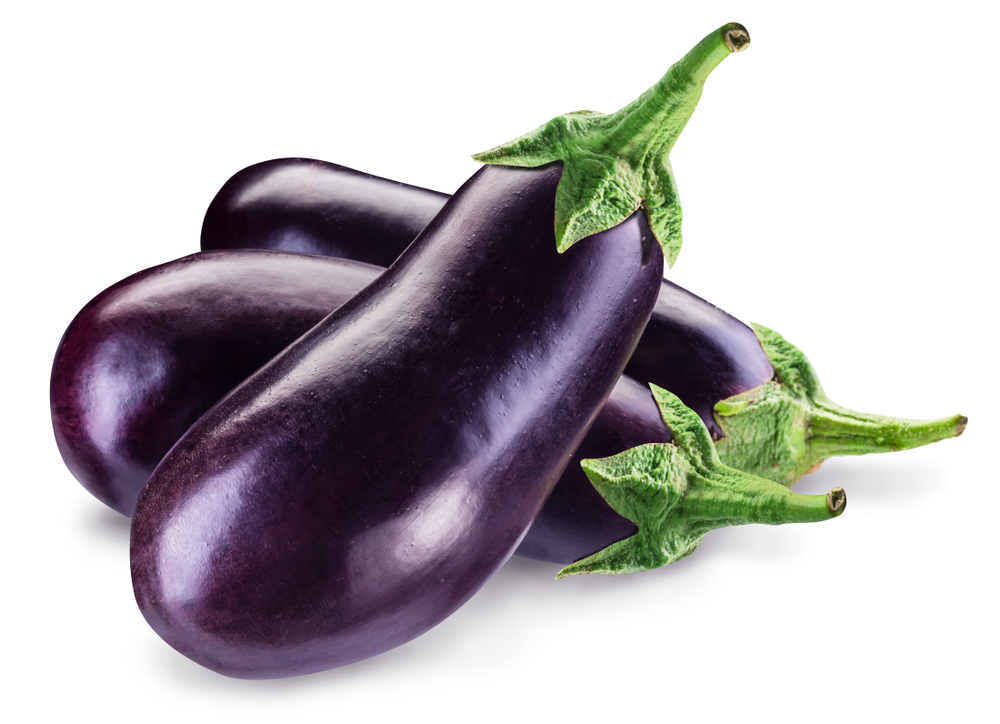
Eggplants can be expensive at nurseries, particularly specialty varieties with unique colors and shapes. Seeds purchased in January are a fraction of the cost and allow for experimentation with these culinary delights. Eggplants require warmth and sunlight, so starting them indoors gives them a crucial early boost. The satisfaction of nurturing a tiny seed into a glossy, purple vegetable is unmatched. When transplanting season arrives, you’ll be rewarded with robust plants ready to produce beautiful, delicious fruit.
Jumpstart Your Garden, Maximize Your Budget
Starting vegetables from seed in January is more than a money-saving tactic—it’s a way to engage your creativity, experiment with new varieties, and enjoy the thrill of nurturing life from scratch. From tomatoes to eggplants, each vegetable you grow from seed offers a rewarding journey and a tangible return on your investment. Even small indoor seed-starting efforts can lead to bountiful, homegrown produce, giving you satisfaction and savings at the same time.
We’d love to hear your experiences or strategies for starting vegetables early—leave your thoughts and stories in the comments section below. Your insights might inspire the next gardener to dive in this January.
You May Also Like…
Why Some Gardeners Say Winter Is the Best Time to Plant
14 Blooming Perennials That Return Stronger Every January
How To Grow Microgreens in a Spare Room This December
14 January Garden Tasks That Give You a Huge Spring Head Start
11 Hardy Plants That Bounce Back Faster Than You Think After Winter

Brandon Marcus is a staff writer for FrugalGardening.com at District Media, Inc., where he delivers practical gardening advice with a relatable, no-nonsense style. An avid amateur gardener, he holds a BA degree and with over ten years of professional writing experience, he is also an award-winning published author whose first book, Questions For Deep Thinkers, was released by Adams Media. His work has appeared in major publications including Fandom.com, CHUD.com, TheColdWire.com, and Fansided.com.
Leave a Reply