
A powerful, nutrient-rich fertilizer flows through every home every single day, and most people send it straight down the drain without a second thought. That habit wastes nitrogen, phosphorus, potassium, and trace minerals that plants crave. Gardeners spend money on bags and bottles that promise lush growth, while a free, effective option waits just steps away. The truth might surprise anyone who thinks great fertilizer always comes from a store shelf. The free fertilizer most gardeners throw away comes from their own bodies.
Human urine delivers an impressive punch of plant nutrients when handled correctly. It contains high levels of nitrogen, along with smaller amounts of phosphorus and potassium, the same trio found in many commercial fertilizers. Researchers and agricultural experts have studied its use for years, and they consistently find that it can support strong plant growth when gardeners dilute and apply it properly.
Why This “Waste” Packs a Nutrient Punch
Urine contains mostly water, but that remaining portion carries a serious load of nutrients. Nitrogen dominates the mix, and plants rely on nitrogen to fuel leafy growth and vibrant green color. Phosphorus supports root development and flower production, while potassium strengthens overall plant health and resilience. Fresh urine from a healthy person typically leaves the body sterile, which means it does not carry the pathogens that many people fear.
Gardeners who chase rapid growth in leafy greens such as lettuce, kale, and spinach often reach for nitrogen-heavy fertilizers. Urine provides that nitrogen in a form plants can access quickly once soil microbes get to work. Unlike synthetic fertilizers that sometimes burn plants when overapplied, diluted urine allows more control and flexibility. The key lies in understanding how to use it wisely rather than dumping it straight onto plants.
Many agricultural trials across different climates show that diluted urine can match the performance of commercial fertilizers in crop yield. Farmers in parts of Europe and Africa already incorporate it into sustainable nutrient cycles, reducing reliance on manufactured inputs. That approach closes the loop and returns nutrients to the soil instead of sending them into wastewater systems.
How to Use It Without Wrecking Your Soil
No one should pour undiluted urine directly onto plants. High nitrogen concentration can scorch roots and leaves, especially in young plants. Gardeners who want healthy results typically dilute urine with water at a ratio of about 10 parts water to 1 part urine. That mixture delivers nutrients while reducing the risk of burning tender growth.
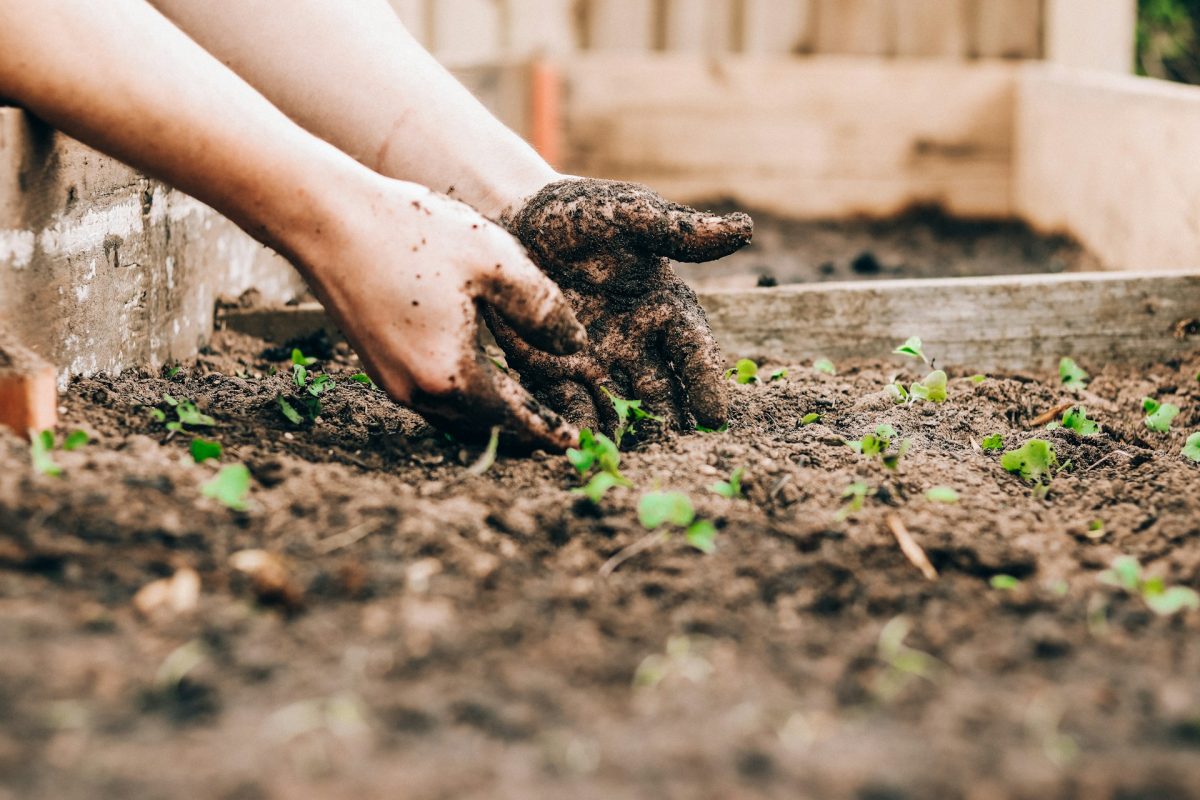
Apply the diluted solution directly to the soil around the base of plants rather than splashing it onto leaves. Soil microbes break down the compounds and convert them into forms that roots can absorb. Timing matters as well. Apply the mixture during active growth stages, when plants demand more nitrogen, and ease off as fruiting or flowering peaks. Too much nitrogen late in the season can push leafy growth at the expense of fruit production in crops like tomatoes and peppers.
Storage requires attention. Fresh urine works best, but gardeners who collect it for later use should store it in a sealed container and use it within a short time frame. Over time, urea converts to ammonia, which can create strong odors and lead to nitrogen loss. Simple, thoughtful handling keeps the process clean and efficient.
The Crops That Love It Most
Leafy greens respond enthusiastically to nitrogen-rich feeding. Spinach, chard, lettuce, and cabbage often show deeper color and faster growth when gardeners apply diluted urine during early stages. Corn also thrives with extra nitrogen, especially during rapid vertical growth. Lawns can benefit as well, as long as homeowners dilute properly and distribute evenly to avoid patchy results.
Root crops such as carrots and beets require a bit more caution. Excess nitrogen can push lush top growth while limiting root development. Gardeners who grow these crops should apply lightly and early, then stop as roots begin to swell. Fruiting plants like tomatoes, squash, and cucumbers can use nitrogen early in the season, but they need balanced nutrition as flowering begins. Pairing urine applications with compost or other organic matter helps maintain that balance.
Herbs such as basil and parsley often respond well during vegetative growth, producing fuller foliage and stronger stems. Gardeners should watch plant behavior closely. Dark green leaves and vigorous growth signal success, while overly floppy stems or delayed flowering suggest too much nitrogen.
Clearing Up the “Ick” Factor
The biggest hurdle rarely involves science; it involves psychology. Many people recoil at the idea of using urine in the garden, even though they happily spread manure from cows, chickens, and horses. Yet livestock manure carries a higher pathogen risk than fresh human urine from a healthy individual. When gardeners apply diluted urine to soil rather than edible leaves, they further reduce any potential concern.
Odor worries also fade with proper dilution and soil application. Once microbes in the soil begin breaking down the nutrients, the smell dissipates quickly. Anyone who has ever walked past a heavily fertilized lawn after rain already understands that strong odors often come from conventional fertilizers as well.
Local regulations vary, so gardeners should check municipal guidelines before large-scale use. Small-scale backyard application for personal gardens typically falls outside strict regulation, but responsible practice always matters. Thoughtful use keeps the garden healthy and avoids runoff into waterways.
Building a Smarter Nutrient Cycle at Home
Every flush sends valuable nutrients into wastewater treatment systems that require energy and infrastructure to manage them. Redirecting a portion of that nutrient stream back into soil reduces strain on those systems and lowers demand for synthetic fertilizers. Sustainable gardening thrives on closing loops rather than creating endless waste streams.
Composting remains a cornerstone of soil health, and urine can complement compost beautifully. Adding diluted urine to a compost pile can speed up decomposition by boosting nitrogen levels, especially when the pile contains lots of dry carbon-rich material like leaves or straw. That extra nitrogen jumpstarts microbial activity and helps break down tough materials faster.
Gardeners who care about resilience often look for ways to reduce dependence on outside inputs. Seeds, soil, water, and nutrients form the backbone of any productive garden. When one of those elements comes free and already available, ignoring it starts to look less practical and more wasteful.
Rethinking What “Waste” Really Means
Modern life encourages separation from natural cycles. Pipes carry nutrients away, trucks deliver fertilizer back, and few people stop to question that loop. Urine offers a direct, accessible way to reconnect with a more grounded system of growing food. With proper dilution, careful timing, and a bit of courage, gardeners can turn a daily byproduct into a powerful ally for soil health.
Healthy soil rewards attention with stronger plants, better yields, and deeper satisfaction. Instead of automatically reaching for a plastic jug at the garden center, consider what already flows through the home each day.
Some may laugh, and some may balk, but what do you think of this gardening idea? Don’t be shy; share your thoughts in our comments section.
You May Also Like…
The Fertilizer Myth That’s Killing Lawns Across the South
Vets Issue New Alert: “Pet-Safe” Fertilizers Are Sending Dogs to the ER
Why Many Gardeners Start Mulching Before April
The $20 Soil Fix That Can Rescue a Struggling Spring Garden
Why March Can Be the Cheapest Month to Tackle Big Garden Problems

Brandon Marcus is a staff writer for FrugalGardening.com at District Media, Inc., where he delivers practical gardening advice with a relatable, no-nonsense style. An avid amateur gardener, he holds a BA degree and with over ten years of professional writing experience, he is also an award-winning published author whose first book, Questions For Deep Thinkers, was released by Adams Media. His work has appeared in major publications including Fandom.com, CHUD.com, TheColdWire.com, and Fansided.com.
Leave a Reply