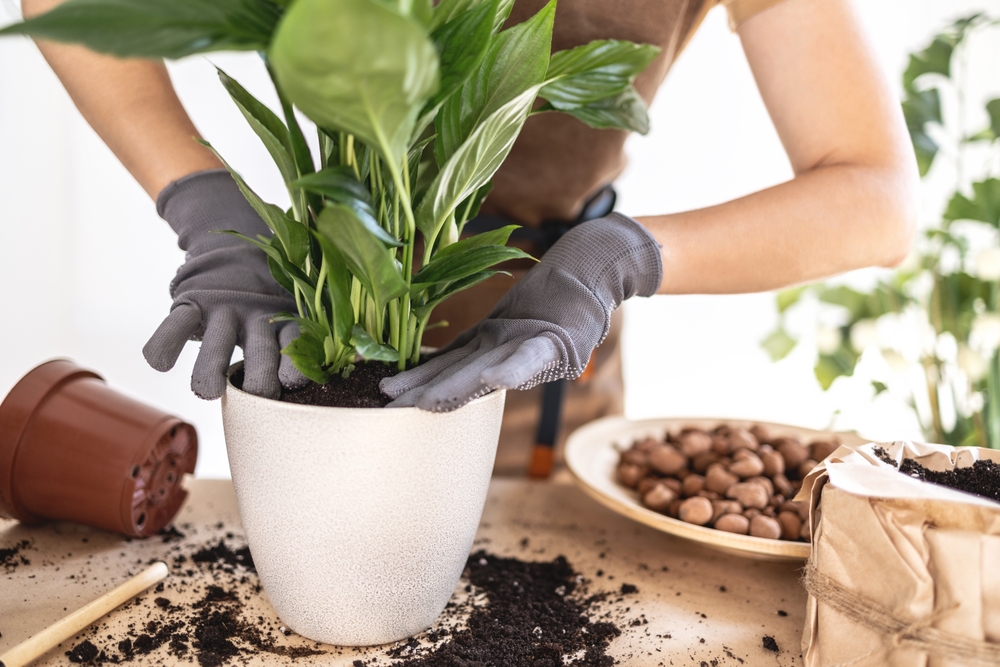
Your home might look clean, smell fresh, and feel cozy, but the air inside it could be pulling a fast one on you. Invisible toxins from furniture, paint, cleaning products, and even electronics can quietly hang around, messing with your mood, focus, and health.
Now here’s the fun twist: some of the best air-cleaning tools don’t plug in, don’t hum, and don’t cost hundreds of dollars. They grow leaves, soak up sunlight, and silently get to work while making your space look incredible. Let’s meet the leafy overachievers that turn your home into a fresher, calmer, oxygen-rich sanctuary.
1. Snake Plant (Sansevieria)
The snake plant is basically the low-maintenance superhero of the plant world. It absorbs toxins like formaldehyde, benzene, and xylene while releasing oxygen even at night. That makes it a perfect bedroom companion for better sleep quality. Its tall, architectural leaves add instant style without demanding attention. Forgetful plant owners love it because it thrives on neglect.
2. Spider Plant
Spider plants are cheerful, fast-growing, and wildly effective at filtering carbon monoxide and formaldehyde. They also produce baby offshoots, making them one of the easiest plants to propagate and share. NASA studies famously highlighted their air-cleaning abilities, which helped launch their popularity. They’re safe for pets and forgiving of irregular watering. Bright indirect light helps them shine, but they adapt easily.
3. Peace Lily
Peace lilies don’t just look elegant; they actively tackle airborne toxins like ammonia, benzene, and trichloroethylene. Their glossy leaves and white blooms bring a calm, spa-like energy to any room. They also help regulate indoor humidity, which can reduce airborne mold spores. While they prefer consistent moisture, they’ll politely droop when thirsty instead of giving up. Keep them out of reach of pets, though, as they’re toxic if ingested.
4. Boston Fern
Boston ferns are lush, dramatic, and excellent natural humidifiers. They excel at removing formaldehyde and xylene from indoor air. Their feathery fronds create a soft, vintage aesthetic that feels both classic and fresh. These plants love humidity, making them perfect for bathrooms or kitchens with indirect light. Give them regular misting, and they’ll reward you with serious air-refreshing power.
5. Aloe Vera
Aloe vera is famous for soothing sunburns, but it’s also a stealthy air purifier. It helps remove formaldehyde and benzene, two common byproducts of household cleaners. Aloe thrives in bright light and doesn’t require frequent watering, making it beginner-friendly. Bonus points for its medicinal gel, which is handy for minor burns and skin irritation. When aloe releases extra oxygen at night, your bedroom gets a breath of fresh air.
6. Rubber Plant
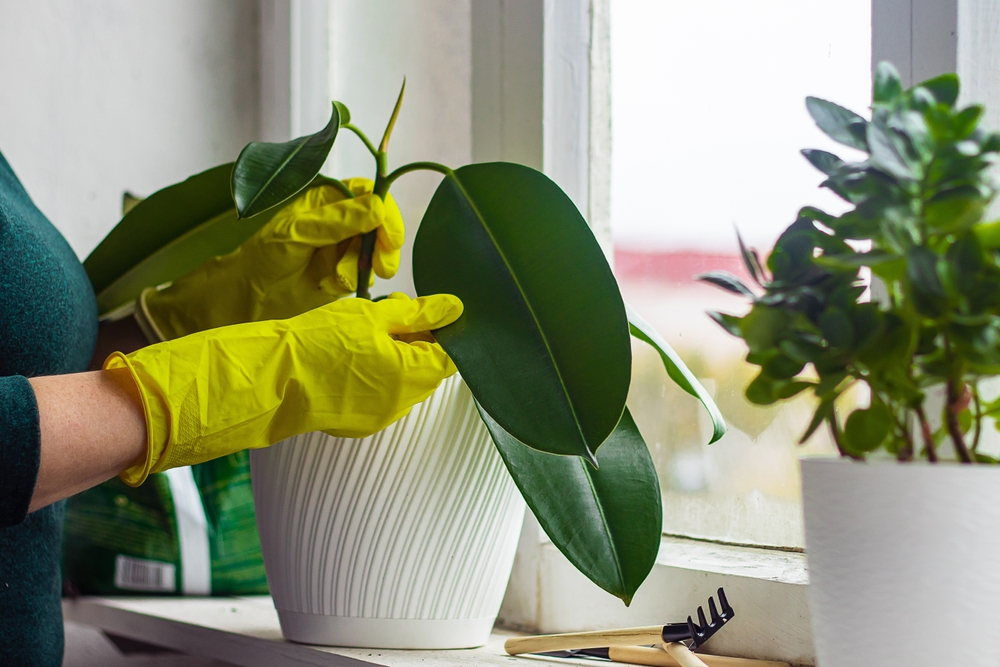
The rubber plant is bold, glossy, and excellent at removing airborne toxins. Its large leaves trap particles and convert carbon dioxide into oxygen efficiently. This plant thrives in medium to bright indirect light and grows into a striking statement piece. It’s particularly good at improving indoor air in smaller spaces. Wipe its leaves occasionally to keep it breathing at full capacity.
7. English Ivy
English ivy is a fast-growing climber that tackles mold spores like a champ. Studies have shown it can significantly reduce airborne fecal particles and other allergens. It works beautifully in hanging baskets or trailing from shelves. Ivy prefers cooler temperatures and indirect light, making it flexible for many homes. Just be sure to keep it away from curious pets.
8. Bamboo Palm
The bamboo palm adds a tropical vibe while quietly detoxifying the air. It filters out benzene, formaldehyde, and trichloroethylene with impressive efficiency. This plant also increases indoor humidity, which helps dry skin and irritated sinuses. It thrives in bright, indirect light and grows tall without becoming unruly. If your space feels stuffy, this palm brings instant freshness.
9. Dracaena
Dracaena plants come in many varieties, each with bold color patterns and strong air-cleaning abilities. They’re particularly good at removing xylene, trichloroethylene, and formaldehyde. Dracaenas tolerate low light and inconsistent watering better than most plants. Their upright growth makes them ideal for corners and narrow spaces. Just keep them away from pets, as they can be toxic if chewed.
10. Areca Palm
The areca palm is often called a natural humidifier thanks to its ability to release moisture into the air. It’s also effective at removing indoor toxins while producing generous oxygen output. Its feathery fronds instantly brighten a room and create a relaxed, tropical feel. Areca palms thrive in bright, filtered light and appreciate regular watering. Over time, they can grow into stunning indoor trees.
Let Your Home Breathe Again
Houseplants do far more than decorate your shelves or fill empty corners. They actively improve air quality, boost mood, and create a living environment that feels calmer and more alive. Whether you start with one leafy friend or turn your home into a mini jungle, these plants work quietly in the background to support your well-being.
The best part is how effortlessly they blend beauty with function. Drop your thoughts, experiences, or favorite plant picks in the comments section below and let the conversation grow.
You May Also Like…
Don’t Get Left in the Cold: The Importance of Expert Furnace Repair
What To Do if You Think Your HVAC Needs To Be Repaired
6 Houseplants That Thrive in Neglect and Still Impress Guests
Why Gardeners Are Falling in Love With Unusual Houseplants This Year
Why Your Houseplants Need a “Vacation” from Fertilizer Right Now

Brandon Marcus is a staff writer for FrugalGardening.com at District Media, Inc., where he delivers practical gardening advice with a relatable, no-nonsense style. An avid amateur gardener, he holds a BA degree and with over ten years of professional writing experience, he is also an award-winning published author whose first book, Questions For Deep Thinkers, was released by Adams Media. His work has appeared in major publications including Fandom.com, CHUD.com, TheColdWire.com, and Fansided.com.
Leave a Reply