Winter’s chill may have gripped your garden, but don’t let frost slow you down. January is a secret powerhouse month for gardeners who want to leap ahead when spring arrives. While the soil is cold and the days are short, there’s a whole suite of tasks that can turbocharge your garden’s growth. From pruning to planning, each small action now will pay off in explosive blooms and bountiful harvests later.
If you’ve ever wanted to feel like a garden wizard before anyone else even sips their first spring coffee, now’s the time to get started.
1. Assess Your Garden Tools And Equipment
The first step to a smooth spring is making sure your tools are ready to work. Take each spade, trowel, and pruner out of storage and inspect it for rust, loose handles, or dull blades. Sharpening and oiling now saves you the headache of wrestling with stubborn equipment in March. Check your hoses and watering cans for cracks or leaks that could sabotage early watering efforts. Trust me, nothing ruins a morning like a soggy garden and a broken shovel.
2. Plan Your Spring Layout
January is perfect for dreaming big about your garden layout. Sketch out where vegetables, flowers, and shrubs will go so you’re not scrambling when the first frost thaws. Consider crop rotation if you grow edibles, and plan companion planting for healthier growth. This is also a great time to envision new garden features like trellises or raised beds. By the time March rolls around, your garden plan will be battle-tested and ready to spring into action.
3. Start Seeds Indoors
Why wait for warmer weather to start your garden? Many plants, from tomatoes to petunias, thrive when started indoors in January. Fill trays with seed compost, label each one meticulously, and place them in a sunny windowsill or under grow lights. Keeping them moist and warm now gives you a head start that can lead to earlier harvests. It’s like giving your plants a VIP pass to spring before anyone else’s seedlings even wake up.
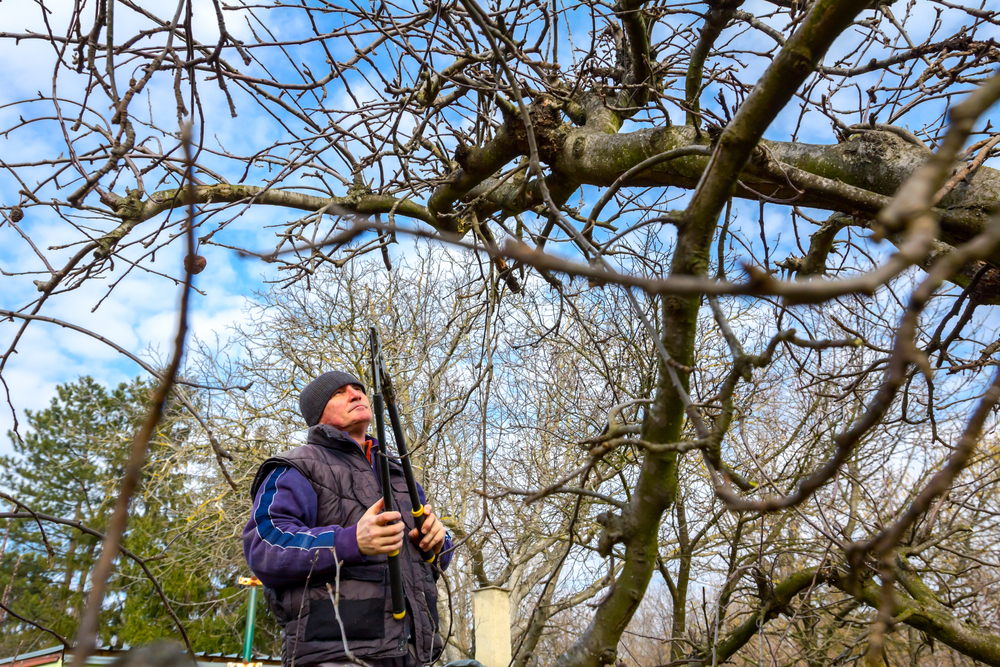
4. Prune Trees And Shrubs
Dormant trees and shrubs love a little trim in January. Pruning now removes dead wood and encourages stronger growth when the sap starts rising. Make sure you use clean, sharp tools to avoid damaging plants. Focus on shaping your trees and opening up space for better air circulation. By the time leaves burst forth, your pruning will look perfectly natural and purposeful.
5. Tidy Up Garden Beds
A cluttered garden bed can slow down growth and invite pests. Use January to remove fallen leaves, old plant debris, and any weeds that survived winter. Compost what you can and consider adding a fresh layer of mulch to protect the soil. This prep work helps roots breathe and makes planting easier later. A clean bed in January is a free pass to a flourishing garden in March.
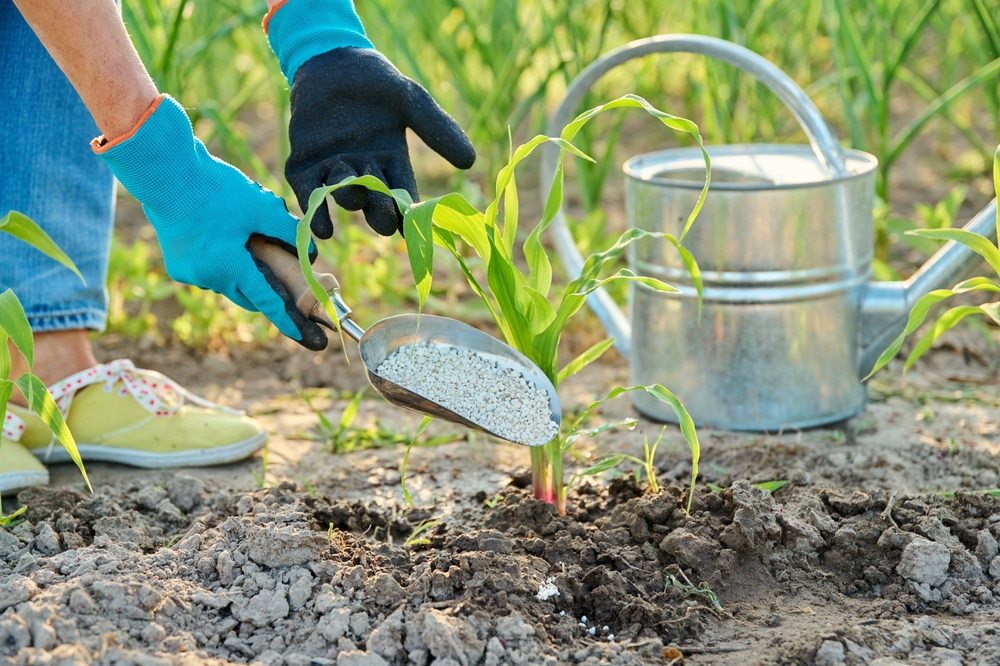
6. Plan For Fertilization
Now’s the time to think about feeding your soil, not just your plants. Conduct a soil test to determine nutrient levels and pH balance. Amend the soil with compost, well-rotted manure, or organic fertilizers to give it a nutrient boost. Proper preparation ensures plants get exactly what they need when they start growing rapidly. By the time seedlings hit the ground, your soil will be ready to support them like a superhero sidekick.
7. Mulch Perennials And Bare-Root Plants
Mulching isn’t just for summer—it protects roots in winter too. Spread a layer of organic mulch around perennials, shrubs, and newly planted bare-root trees. This insulation prevents frost damage and conserves moisture. Mulch also suppresses weeds, so your early spring cleanup is shorter. Think of it as giving your plants a cozy blanket to snooze under until spring fever hits.
8. Inspect And Repair Garden Structures
Sheds, fences, and trellises take a beating from winter weather. Walk around and check for loose boards, sagging supports, or rusted hardware. Make repairs now so structures are sturdy for climbing plants and outdoor activities. This small effort prevents a major headache when vines or tomatoes start to grow rapidly. A stable garden is a happy garden.
9. Protect Vulnerable Plants
Some plants need a little extra winter armor. Wrap tender shrubs, roses, or young fruit trees with horticultural fleece or burlap. Make sure the coverings don’t smother branches and allow for airflow. Protecting them now reduces the risk of frost damage or disease. When temperatures spike or drop unexpectedly, your foresight keeps plants thriving. Think of it as giving your garden a stylish winter coat.
10. Check Your Irrigation System
Even in winter, irrigation matters if your garden has evergreens or indoor-started seedlings. Inspect hoses, drip systems, and sprinkler heads for clogs, cracks, or leaks. Winter preparation ensures your watering system is ready to roll when spring heat arrives. Flushing out old lines now saves frustration later. A functional irrigation system is like having a loyal assistant who never complains.
11. Prepare Containers And Pots
Containers are a fast track to a beautiful garden display. Wash and disinfect all pots, planters, and window boxes to prevent disease. Fill them with fresh potting mix and store them in a frost-free space. This makes spring planting almost effortless, with containers ready to be filled at a moment’s notice. Clean, prepared containers also give your garden a polished look before anything even blooms.
12. Divide And Rejuvenate Perennials
Perennials can get crowded over the years, and January is perfect for dividing them. Carefully lift clumps of hostas, daylilies, or irises and separate healthy sections. Replant or share the extras in your garden for better airflow and growth. Dividing also encourages stronger blooms and prevents plants from becoming weak or spindly. Early attention now leads to a garden bursting with vitality later.
13. Research New Plant Varieties
Stay ahead of the gardening curve by exploring new varieties of flowers, vegetables, and herbs. Read catalogs, check seed companies, or visit local nurseries online. Knowing what you want ahead of time ensures you can order rare or in-demand seeds before they sell out. Planning now allows for experimentation and creativity in your spring garden. When everyone else is planting last year’s varieties, you’ll be debuting the latest and greatest.
14. Keep A Garden Journal
Finally, make January the month you start—or update—your garden journal. Note successes, failures, and ideas from the previous year. Record planting dates, pruning schedules, and experimental techniques to reference later. This simple habit improves planning, problem-solving, and overall garden performance. Over time, your journal becomes a treasure map to a consistently thriving garden.
Get Ahead And Reap Rewards
January may seem quiet and sleepy in the garden, but those who act now are the ones laughing come spring. Each task, from pruning to planning, sets up a season of vibrant blooms, healthy vegetables, and proud accomplishments. Taking action this month turns winter’s downtime into a strategic advantage. Your garden will thank you with color, fragrance, and abundance.
Drop your thoughts or any winter gardening victories in the comments section below—we can’t wait to hear about them.
You May Also Like…
8 Garden Sheds You Should Insure for the Winter Months
Why Evergreen Shrubs Are Winter’s Secret Weapon in the Garden
Why Garden Composting in Winter Works Better Than You Think
10 Terrariums Indoor Greenhouses You Can Set Up This Winter
6 Winter Garden Colour Schemes That Replace Summer Blooms

Brandon Marcus is a staff writer for FrugalGardening.com at District Media, Inc., where he delivers practical gardening advice with a relatable, no-nonsense style. An avid amateur gardener, he holds a BA degree and with over ten years of professional writing experience, he is also an award-winning published author whose first book, Questions For Deep Thinkers, was released by Adams Media. His work has appeared in major publications including Fandom.com, CHUD.com, TheColdWire.com, and Fansided.com.
Leave a Reply