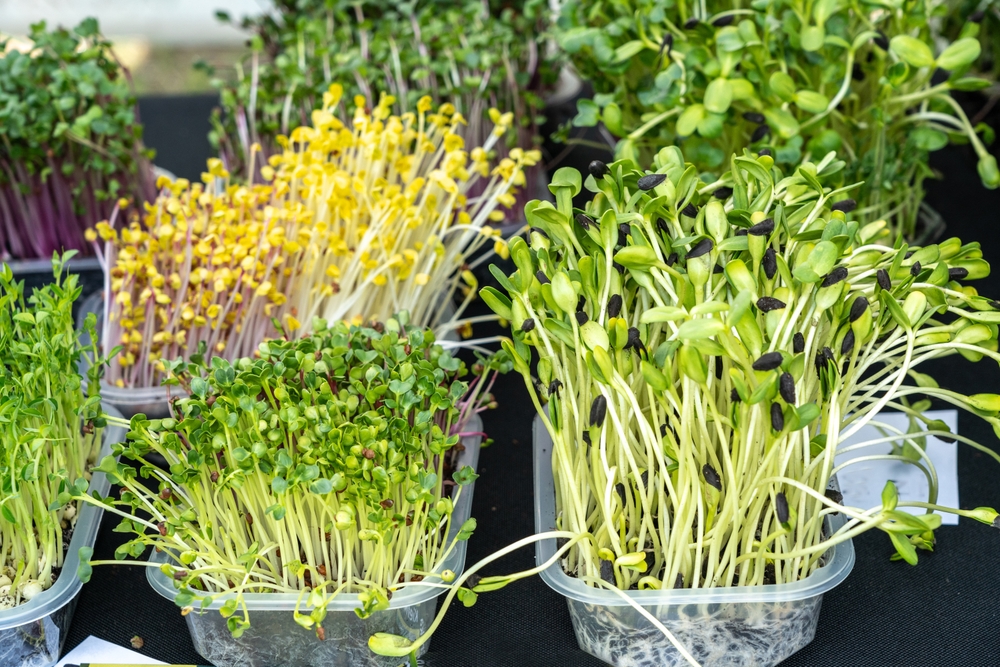
December doesn’t have to mean gray skies, dormant gardens, and sad supermarket greens that taste like cardboard. This is the month when you can turn a quiet spare room into a miniature jungle of color, flavor, and fresh crunch. While the world outside freezes, you get to play plant wizard indoors, harvesting vibrant greens in as little as a week.
Microgreens are fast, forgiving, and wildly satisfying, even if you’ve never grown a thing in your life. By the time the holidays roll around, you could be sprinkling homegrown greens over your meals like a culinary flex no one saw coming.
Why December Is Perfect For Indoor Microgreens
Winter feels restrictive, but it’s actually the perfect excuse to bring growing inside where you control everything. Microgreens don’t care about snowstorms or short days as long as they have light, warmth, and a little attention. December routines are slower for many people, which makes it easier to check on trays daily. Indoor air is often dry, which microgreens tolerate well with minimal adjustments. Growing now also delivers a psychological boost, because watching something thrive in winter feels like a small rebellion against the season.
Choosing The Right Spare Room Setup
You don’t need a greenhouse or a science lab to get started, just a room with a door and a plug. A spare bedroom, office, or even a large closet can become a microgreen haven. What matters most is consistent temperature, ideally between 60 and 75 degrees, and the ability to control light exposure. The room doesn’t have to be beautiful, because plants don’t judge your décor choices. Once the trays are in place, the space quickly transforms from forgotten storage to productive green factory.
Lighting That Makes Greens Grow Like Magic
Light is the engine that turns tiny seeds into lush edible leaves, and indoor growing puts you fully in charge. Simple LED grow lights are affordable, energy-efficient, and easy to mount on shelves or racks. You want lights close to the plants, usually a few inches above, to keep stems short and strong. A basic timer set for 12 to 16 hours a day removes guesswork and builds consistency. With the right lighting, your microgreens grow evenly and avoid the floppy, pale look of under-lit plants.
Picking Microgreens That Love Indoor Life
Not all microgreens are equal, especially when grown in winter conditions. Radish, broccoli, pea shoots, sunflower, and mustard greens are famously easy and fast. These varieties germinate quickly and tolerate minor mistakes without drama. Starting with forgiving seeds builds confidence and momentum, which matters more than growing something exotic. Once you get the rhythm down, you can experiment with mixes that add color, spice, and texture.
Trays, Soil, And Simple Growing Gear
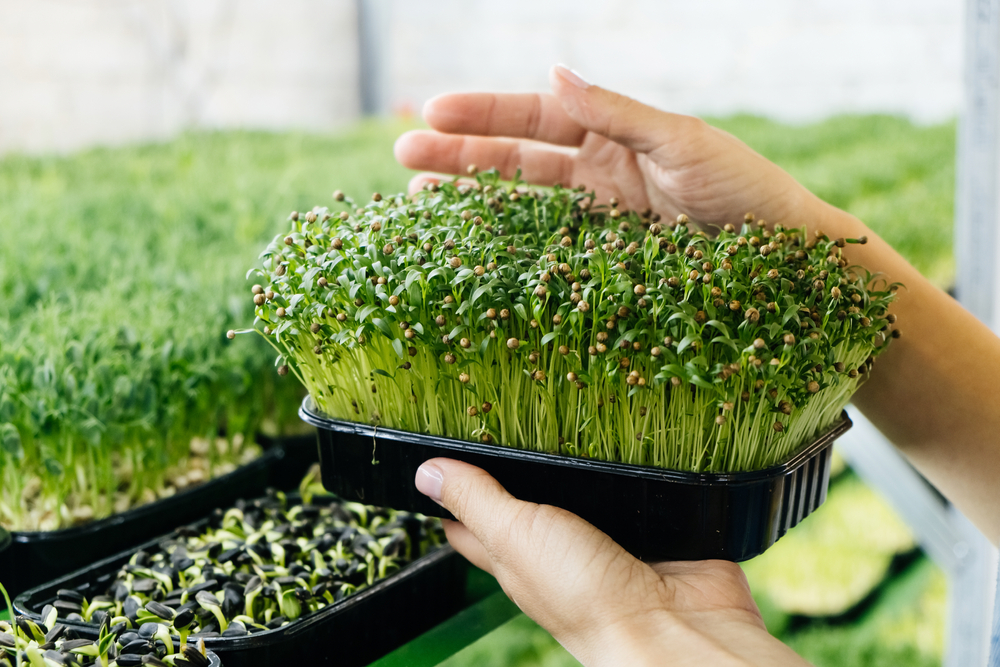
Microgreens thrive with minimal equipment, which is part of their charm. Shallow trays, quality potting mix or coco coir, and a spray bottle cover most needs. Drainage is important, so trays with holes or paired trays work best. Clean tools reduce mold risk, especially in enclosed indoor spaces. Keeping gear simple makes the process fun instead of intimidating, which is the secret to sticking with it.
Watering Without Overthinking Or Overdoing
Watering is where many beginners panic, but microgreens prefer consistency over perfection. Light, frequent watering keeps the soil moist without turning it soggy. Bottom watering helps prevent mold and keeps stems upright. December’s dry indoor air may require slightly more frequent checks, but not drastic changes. Once you get a feel for tray weight and soil texture, watering becomes second nature.
Managing Temperature And Airflow Indoors
Microgreens enjoy stable conditions, and indoor winter growing gives you that advantage. Avoid placing trays near heating vents or drafty windows that cause temperature swings. A small fan on low can improve airflow and discourage mold growth. Fresh air circulation strengthens stems and keeps leaves healthy. This simple step often separates average results from consistently great harvests.
Harvesting At The Perfect Moment
Harvest time arrives quickly, which is part of the thrill. Most microgreens are ready when they reach two to three inches tall and show their first true leaves. Using clean scissors, cut just above the soil line for the best texture and flavor. Harvesting in the morning often delivers the freshest taste. The moment you taste your first homegrown microgreens, the entire setup suddenly feels worth it.
Using Your Greens In Winter Meals
Microgreens aren’t just garnish; they’re flavor-packed nutrition bombs. Toss them into salads, layer them on sandwiches, or sprinkle them over soups right before serving. They add crunch and brightness to heavy winter dishes. Homegrown greens also feel special during holiday meals, even in small amounts. Once friends and family taste them, you’ll get questions you didn’t expect.
Growing Green When Winter Says Don’t
Growing microgreens in a spare room this December proves that seasons don’t get the final say. With a little light, simple gear, and curiosity, you can produce fresh food when most gardens are asleep. The process is fast, forgiving, and deeply satisfying, especially during colder months. Each harvest builds confidence and invites experimentation.
If you’ve tried growing microgreens or are planning your first setup, it’s time to share your thoughts or stories in the comments section.
You May Also Like…
12 Ways to Grow Microgreens Indoors While the Ground is Frozen
14 Cold-Frame Upgrades That Extend Your Growing Season
How to Build a Garden Routine That Works While It’s Too Cold to Dig
7 Ways to Garden Without a Backyard
Why Mulching in December Can Save Your Spring Garden

Brandon Marcus is a staff writer for FrugalGardening.com at District Media, Inc., where he delivers practical gardening advice with a relatable, no-nonsense style. An avid amateur gardener, he holds a BA degree and with over ten years of professional writing experience, he is also an award-winning published author whose first book, Questions For Deep Thinkers, was released by Adams Media. His work has appeared in major publications including Fandom.com, CHUD.com, TheColdWire.com, and Fansided.com.
Leave a Reply