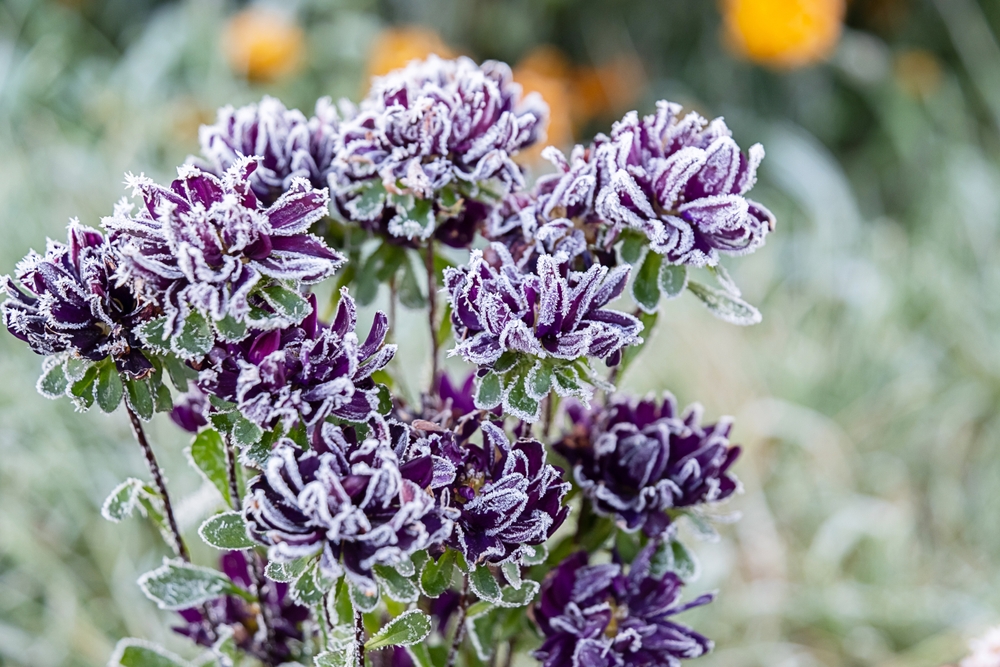
Winter’s chill comes sneaking into every corner of your home, but the savvy gardener knows that January isn’t just about frost and bare branches—it’s the secret goldmine for saving money in your garden.
While others are huddled inside binge-watching shows, you could be plotting a spring paradise without ever leaving your warm kitchen. Early planning in January allows you to strategize, research, and snag deals that vanish once February rolls around.
Imagine buying seeds at rock-bottom prices, scheduling plantings perfectly, and avoiding last-minute panic purchases. This is the month when foresight pays off big, and your wallet will thank you as much as your garden.
Early Seed Shopping Unlocks Massive Discounts
January is prime time for finding seeds at unbeatable prices. Many nurseries and online stores mark down leftover stock from the previous season, giving you access to premium seeds without the premium cost. Buying early also allows you to compare varieties, check reviews, and plan for the best yield.
By purchasing seeds now, you avoid the rush and inflated prices of spring when everyone realizes they need the same items. These small savings on seeds can snowball into hundreds of dollars over a full growing season.
Avoiding Impulse Purchases Saves More Than You Think
When February or March rolls around, the temptation to buy expensive plants or garden gadgets is at its peak. January planning helps curb these impulse buys because you already know exactly what you need. A clear plan reduces wasteful spending on unnecessary plants or duplicate tools. You’ll also avoid the common trap of paying premium shipping costs during the busy spring months. Staying organized early means your money goes toward what actually benefits your garden, not fleeting whims.
Winter Research Boosts Efficiency And Savings
January gives you the perfect excuse to dive deep into gardening research without pressure. You can study your local climate, soil needs, and pest challenges, which leads to smarter, more cost-effective choices. Learning about companion planting or crop rotation now prevents expensive mistakes later. Understanding which vegetables thrive in your region can save you from planting seeds that would ultimately fail. The time spent reading, watching tutorials, and planning strategies translates directly into both money and time saved.
Prepping Supplies Reduces Stress And Costs
Ordering or gathering gardening supplies in January ensures you avoid the seasonal price surge. Fertilizers, pots, soil amendments, and tools are often cheaper and easier to find before the spring rush. By having everything on hand early, you can also take advantage of bulk discounts or combo deals. Planning ahead prevents frantic last-minute purchases that typically come with inflated prices. Your January prep sets the stage for a smooth, budget-friendly gardening season.
Planning Plant Layouts Maximizes Space And Profit
When you plan your garden layout in January, you maximize both space and savings. Mapping out where each plant will go reduces wasted soil and unnecessary purchases. You can rotate crops to maintain soil health, meaning fewer costly fertilizers or treatments down the line. Early planning also allows you to incorporate companion plants that naturally protect each other, cutting down on pest control expenses. A well-designed garden is efficient, productive, and far less expensive to maintain.
Early Soil Preparation Enhances Growth And Cuts Costs
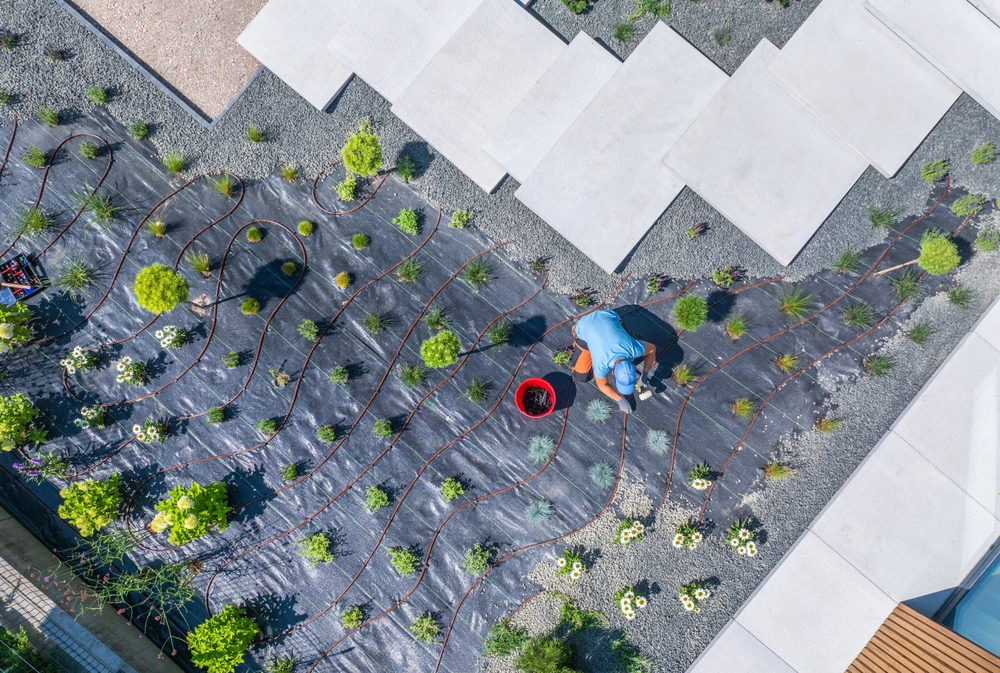
January is the perfect time to prep your soil for spring planting. Even if the ground is frozen, you can plan amendments and composting strategies ahead of time. Preparing soil early ensures better nutrient retention, healthier plants, and fewer costly interventions during the growing season. It also allows you to schedule tasks like tilling or mulching strategically, spreading out labor and reducing potential overtime costs. Healthy soil from the start means fewer surprises and less money spent fixing problems later.
Timing Planting Increases Yields And Reduces Waste
A garden that’s timed well produces more and wastes less. By starting your planning in January, you can determine the ideal planting windows for each crop. This prevents losses from frost or excessive heat, which often result in costly replacements. Staggered planting also spreads harvests, meaning fewer wasted vegetables and more consistent production. Proper timing is one of the most effective ways to make your garden economically efficient.
Early Pest Management Prevents Costly Damage
Identifying potential pest issues in January allows for preventive measures rather than reactive fixes. You can plan natural deterrents, barriers, or companion planting strategies that reduce or eliminate the need for expensive pesticides. Monitoring early also helps you catch infestations before they spread and damage your crops. Prevention is always cheaper than cure, and January is the month when foresight works in your favor. Avoiding pest damage saves money and keeps your garden thriving.
Budgeting And Scheduling Cuts Unexpected Expenses
When you plan in January, you can create a realistic garden budget that prevents overspending. Scheduling planting, watering, fertilizing, and harvesting tasks ahead of time also avoids costly emergencies or rushed purchases. By having a clear roadmap, you can take advantage of sales, borrow tools instead of buying, and allocate funds efficiently. Early budgeting ensures every dollar is spent wisely and contributes directly to your garden’s success. Strategic planning now saves stress, time, and money later.
Make January Your Money-Saving Garden Month
Gardening in January isn’t just about dreaming of spring—it’s about strategic foresight that saves real money. Early seed shopping, research, supply prep, soil work, and pest management all add up to a more productive and economical season. By taking control in the first month of the year, you avoid costly mistakes and enjoy a garden that thrives efficiently. Your wallet and your garden will both thank you for this early effort.
Let us know your thoughts or stories about how early garden planning has benefited you in the comments section below.
You May Also Like…
14 Blooming Perennials That Return Stronger Every January
What Garden Experts Say Most Beginners Get Wrong in January
Why Some Gardeners Say Winter Is the Best Time to Plant
Here Are The 5 Most Aggressive Weeds During Winter
11 Hardy Plants That Bounce Back Faster Than You Think After Winter

Brandon Marcus is a staff writer for FrugalGardening.com at District Media, Inc., where he delivers practical gardening advice with a relatable, no-nonsense style. An avid amateur gardener, he holds a BA degree and with over ten years of professional writing experience, he is also an award-winning published author whose first book, Questions For Deep Thinkers, was released by Adams Media. His work has appeared in major publications including Fandom.com, CHUD.com, TheColdWire.com, and Fansided.com.
Leave a Reply