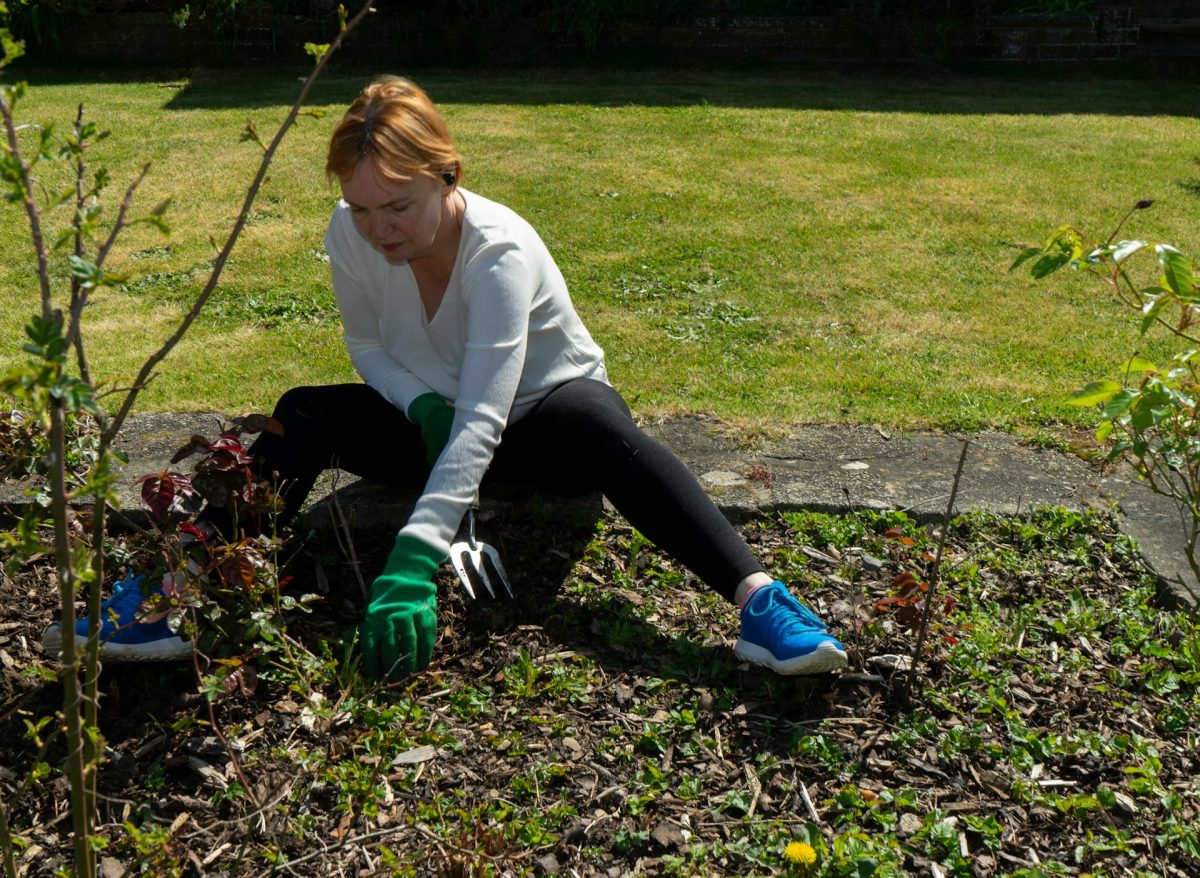
Spring: the soil warms, the light stretches longer, and suddenly green shoots explode across lawns and garden beds. Some of that growth brings promise. Some of it comes with a plan to take over everything in sight.
March marks the turning point for many of the most aggressive weeds in the country. These plants waste no time. They germinate fast, grow low and wide, and set seed before most people even roll out the mower for the first time. Ignore them for a few weeks, and they move from a minor annoyance to a full-blown yard invasion.
1. Chickweed: The Soft-Looking Invader That Means Business
Common chickweed may look harmless with its tiny white star-shaped flowers and delicate stems, but this plant grows aggressively in cool, damp soil. March offers ideal conditions, especially in lawns that stayed moist over winter. Chickweed forms dense mats that hug the ground, and those mats block sunlight from reaching grass blades underneath.
Each plant produces thousands of seeds, and those seeds remain viable in soil for years. That means one neglected patch can haunt a yard long after spring ends. Chickweed spreads both by seed and by rooting along creeping stems, so it expands outward in every direction once it gets comfortable.
Pulling chickweed works best when the soil feels moist and loose. Grab it low at the base and remove the entire root system before it flowers heavily. For larger infestations, apply a selective broadleaf herbicide labeled for lawns early in the season while the plants remain young and tender. Improve drainage and avoid overwatering, since chickweed thrives in soggy conditions.
2. Crabgrass: The Summer Menace That Starts in March
Crabgrass waits for soil temperatures to rise, but March sets the stage for its takeover. This annual grassy weed germinates when soil temperatures reach around 55 degrees Fahrenheit for several consecutive days. That moment often arrives in early to mid-spring in many regions, and once crabgrass sprouts, it spreads fast and low, forming wide clumps that choke out turfgrass.
Crabgrass produces a staggering number of seeds during one growing season. Each plant can generate thousands, ensuring future infestations if left unchecked. Those seeds sit in the soil and wait for the right temperature the following year.
The best defense against crabgrass starts before it appears. Apply a pre-emergent herbicide in early spring, timed to soil temperature rather than the calendar. Many gardeners use the bloom of forsythia shrubs as a rough signal, since that bloom often coincides with the right soil conditions. Keep lawns thick and healthy with proper mowing height and fertilization, because dense turf leaves little room for crabgrass seedlings to gain a foothold.
3. Dandelions: The Yellow Flags of Neglect
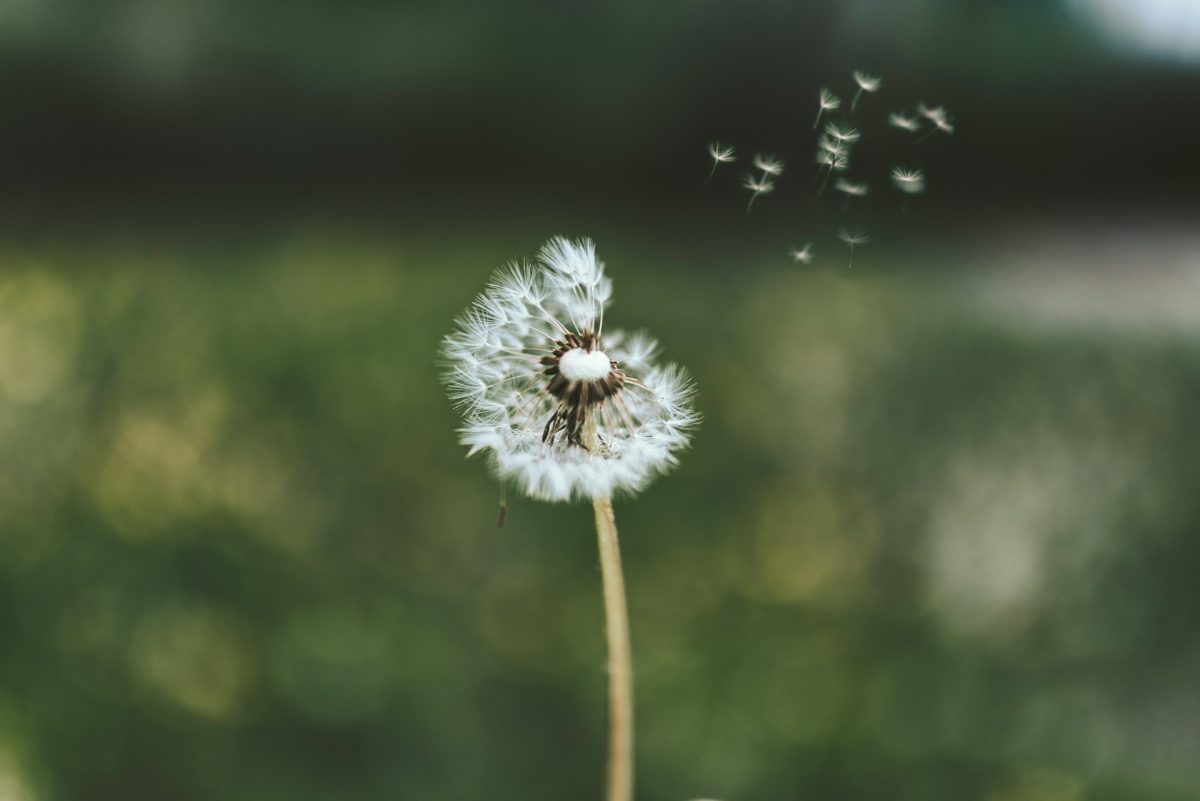
Dandelion doesn’t wait for an invitation. Those bright yellow flowers rise above lawns in early spring, and each one later turns into a globe of windborne seeds ready to scatter across the neighborhood. A single dandelion plant can produce hundreds of seeds, and wind carries them far beyond one yard.
Dandelions develop deep taproots that anchor them firmly in place. If any portion of that taproot remains in the soil, the plant often regrows. That stubborn root system allows dandelions to survive mowing and mild drought.
Remove dandelions with a specialized weeding tool that digs deep enough to extract the entire taproot. Tackle them before they go to seed, since preventing seed spread cuts down next year’s problem dramatically. In lawns with heavy infestations, use a selective broadleaf herbicide while the plants actively grow in cool spring weather. Feed and mow the lawn properly, because thick turf competes effectively against dandelion seedlings.
4. Henbit and Purple Deadnettle: The Early Bloomers That Blanket Lawns
Henbit and Purple deadnettle often appear together, and both belong to the mint family. They feature square stems and small purple-pink flowers that bloom in early spring. Many yards turn faintly lavender from a distance when these weeds take hold in March. Both plants grow low and spread rapidly across thin or bare spots in turf. They complete their life cycle quickly, producing seeds before summer heat arrives. That fast turnaround gives them an edge, especially in lawns that struggle with compaction or nutrient deficiencies.
Pull henbit and purple deadnettle while the plants remain small and before they seed. Improve soil health through aeration and proper fertilization, since strong turf crowds them out naturally. In larger areas, apply a broadleaf herbicide labeled for these species during active growth in spring. Avoid leaving bare patches after winter damage, because those open spaces invite these weeds to settle in and multiply.
5. Annual Bluegrass: The Pale Green Carpet That Spreads Quietly
Annual bluegrass often slips under the radar because it resembles desirable turf at first glance. Its lighter green color and clump-forming habit, however, set it apart from established lawn grasses. Annual bluegrass germinates in fall, survives winter, and explodes with growth and seed production in early spring. By March, this weed often produces distinctive seed heads that rise above the lawn even at low mowing heights. Each plant generates hundreds of seeds, and those seeds persist in soil for years. Without control, annual bluegrass forms uneven patches that die off in summer heat, leaving bare areas behind.
Prevent annual bluegrass with a well-timed pre-emergent herbicide in fall. In spring, remove small clumps by hand before seed heads mature. Maintain proper mowing height and avoid excessive irrigation, since wet, compacted soil favors this weed. Strong turf management reduces open spaces where annual bluegrass can establish itself.
6. Wild Garlic and Wild Onion: The Pungent Problem Beneath the Surface
Wild garlic and wild onion show up in March with slender, hollow leaves that resemble chives. Crush a blade between your fingers and a strong onion or garlic scent confirms their identity. These perennial weeds grow from underground bulbs, which makes them difficult to remove completely.
Wild garlic and wild onion multiply through both seeds and bulb divisions. If a gardener pulls only the top growth and leaves bulbs behind, new shoots soon appear. Over time, clusters expand and create noticeable patches in lawns.
Dig carefully to remove entire bulbs, especially in small infestations. Avoid mowing immediately after applying herbicide, since healthy leaf surface allows better absorption of systemic products. Apply a selective broadleaf herbicide labeled for wild garlic and wild onion during active growth in spring or fall for best results. Maintain thick turf to discourage new bulbs from establishing in the first place.
Act in March or Fight All Year
March sets the tone for the entire growing season. Cool temperatures and moist soil give many aggressive weeds their favorite conditions, and they take full advantage. Once these plants flower and seed, control becomes harder, more time-consuming, and more expensive.
Early action makes a dramatic difference. Scout the yard weekly in early spring, identify problem plants correctly, and choose control methods that match each species. Combine hand-pulling, proper mowing, fertilization, aeration, and carefully timed herbicides for a layered defense. Healthy turf remains the strongest weapon against weeds, since dense grass blocks sunlight and space that weeds need to thrive.
Which of these fast-spreading March weeds will try to claim territory in your yard this year? What will you do to fight it? Let’s discuss in our comments section.
You May Also Like…
10 Winter Weeds That Start Early and How to Stop Them
Here Are The 5 Most Aggressive Weeds During Winter
11 Sneaky Weeds That Look Innocent Until They Destroy Your Beds
This Backyard Weed Is Hosting a Virus That’s Killing Tomato Plants
Killing Weeds with Diesel? Here’s What You Need to Know First

Brandon Marcus is a staff writer for FrugalGardening.com at District Media, Inc., where he delivers practical gardening advice with a relatable, no-nonsense style. An avid amateur gardener, he holds a BA degree and with over ten years of professional writing experience, he is also an award-winning published author whose first book, Questions For Deep Thinkers, was released by Adams Media. His work has appeared in major publications including Fandom.com, CHUD.com, TheColdWire.com, and Fansided.com.
Leave a Reply