Winter can be brutal on a garden. Frost, ice, and chilling winds strip life from delicate plants and leave even the hardiest gardeners wondering if anything will survive. But nature has a stubborn streak—some plants not only endure winter’s wrath, they rebound with vigor the moment spring arrives. These botanical warriors are resilient, low-maintenance, and downright inspiring.
If you’ve ever wanted a garden that bounces back faster than your Monday motivation, these 11 plants are ready to amaze you.
1. Hellebores: The Christmas Rose That Defies Frost
Hellebores are like the superheroes of early spring blooms. Often flowering when snow still clings to the ground, these perennials shrug off freezing temperatures. Their thick, leathery leaves stay lush and evergreen, offering a rare patch of color during gray months. Once spring hits, Hellebores quickly produce their signature nodding flowers in shades of pink, white, and purple. They thrive in shady spots and almost seem to laugh at frost.
2. Snowdrops: Tiny White Warriors
Snowdrops are tiny, delicate-looking bulbs that deliver massive impact. They push through frost and even ice, often appearing before the last snow melts. Despite their fragile appearance, these hardy bulbs multiply rapidly, creating carpets of white in early spring. Their resilience makes them perfect for naturalizing under trees or in lawns. Snowdrops remind us that size isn’t everything; toughness can come in small packages.
3. Crocuses: Spring’s Cheerful Sprinters
Crocuses are among the first flowers to greet the sun after winter, often peeking through frozen soil. They’re bulbs that rebound remarkably well year after year with minimal care. Their vivid purple, yellow, and white petals seem to explode overnight, brightening drab landscapes. Crocuses are also deer-resistant, giving gardeners one less worry. Planting them in clusters ensures a bold visual statement as soon as temperatures rise.
4. Lavender: The Aromatic Survivor
Lavender is not just fragrant; it’s tough as nails. Even after a harsh winter, well-established lavender bushes bounce back and quickly resume producing silver-gray foliage. Their woody stems give them stability during frosty months, and their deep roots store energy for spring revival. Pruning in early spring encourages new growth and vibrant blooms. Lavender also attracts pollinators, so your garden comes alive with buzzing visitors in no time.
5. Sedum: The Stonecrop That Never Quits
Sedum is the ultimate low-maintenance plant that flourishes under neglect. Its succulent leaves store water, helping it survive winter droughts and freezes. In early spring, Sedum quickly regenerates, producing thick foliage and bright flowers by summer. The plant’s toughness makes it perfect for rock gardens, borders, or containers. Sedum proves that resilience often comes in small, fleshy packages.
6. Peonies: Perennial Powerhouses
Peonies are renowned for their stunning blooms, but their real magic lies in durability. Even after a harsh winter, the roots remain alive and ready to push shoots upward. They might take a little time to bloom early on, but once they do, peonies burst with large, fragrant flowers. Proper mulching and cutting back dead growth in spring ensures rapid recovery. These classic garden stars reward patience with spectacular returns every year.
7. Forsythia: The Golden Harbinger
Forsythia is a shrub that signals the end of winter with vibrant yellow blooms. Even when temperatures dip, this shrub can endure frosty conditions and bounce back with impressive speed. Its rapid growth means pruning can be done confidently without worrying about losing vitality. Forsythia thrives in sun and tolerates various soil types, making it versatile for any landscape. When it flowers, it practically shouts that spring has arrived.
8. Daylilies: Colorful Comeback Kids
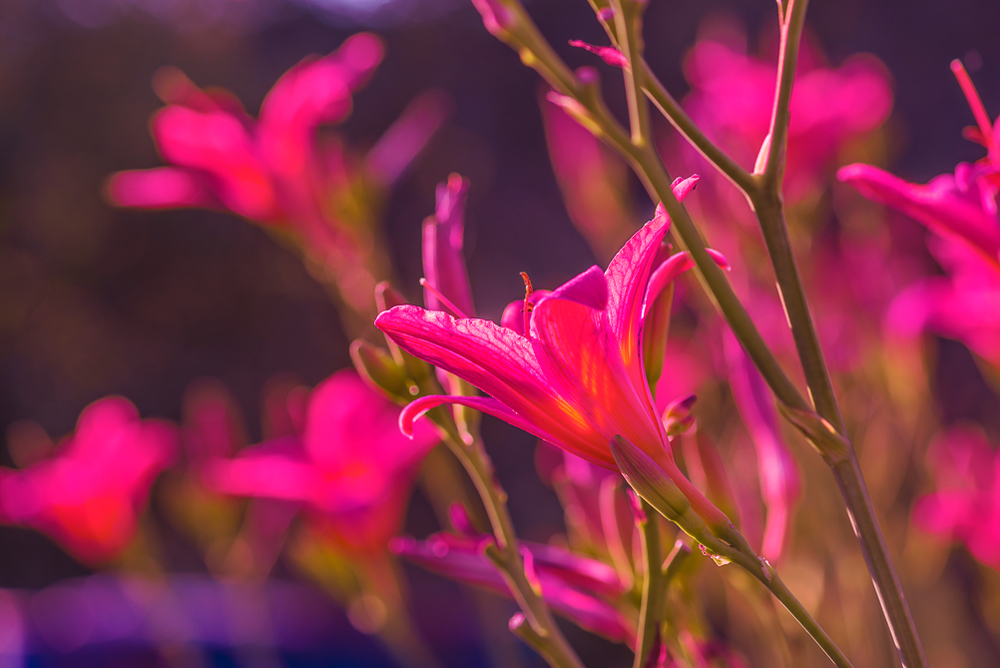
Daylilies are perennial favorites because of their adaptability and resilience. After winter, their hardy roots quickly send up fresh shoots and buds. Once they start growing, these plants flood the garden with vibrant, trumpet-shaped flowers in a rainbow of colors. They handle heat, drought, and poor soil surprisingly well. Daylilies are a gardener’s dream: minimal effort, maximum reward.
9. Hostas: Shade-Loving Survivors
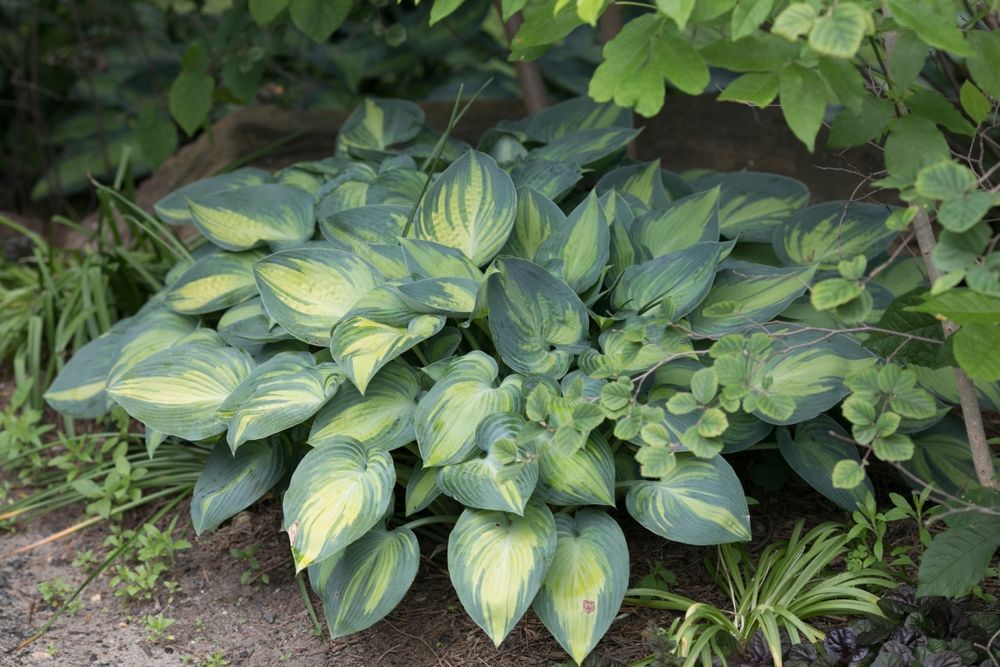
Hostas are the champions of shady gardens. Their thick foliage dies back in winter but re-emerges reliably each spring. With varieties ranging from compact to enormous, they bring texture and structure to shady spots. Hostas recover quickly once the soil warms, producing lush leaves that can last all season. Their resilience and elegance make them a foundation plant for any low-light garden area.
10. Rhubarb: Edible Toughness
Rhubarb isn’t just for pies—it’s a botanical powerhouse. Its thick, hardy roots survive severe winters and push up edible stalks early in spring. Regular watering and minimal maintenance help it thrive year after year. Rhubarb’s leaves may die back in frost, but the plant regenerates with vigor as soon as temperatures rise. It’s both beautiful and practical, combining resilience with edible rewards.
11. Hosta: The Silent Strength
Yes, Hostas deserve a second mention because they truly embody persistence. They reappear every spring with astonishing speed, even after harsh winters. Their thick foliage quickly unfurls, providing instant ground cover and greenery. Many varieties also produce delicate flowers in mid to late summer. Hostas show that patience with hardy plants pays off in spectacular style.
Nature’s Comeback Stars
Gardening is full of surprises, but these hardy plants prove that resilience can be cultivated and admired. They rebound from winter with speed, grace, and beauty, turning dreary landscapes into lively spaces in no time.
By choosing tough, dependable plants, you create a garden that bounces back year after year without constant intervention. Whether you’re planting for color, fragrance, or texture, these 11 botanical heroes will inspire and delight.
We’d love to hear about the hardy plants in your garden or the ones you’ve seen make miraculous comebacks in the comments section below.
You May Also Like…
7 Container Gardens You Can Move Indoors for Winter Success
11 Evergreen Tree Choices for Small Urban Winter Gardens
What Garden Bloggers Are Saying About Winter Microgreens
10 Patio Heaters Accessories That Let You Garden Comfortably in Winter
6 Winter Garden Colour Schemes That Replace Summer Blooms

Brandon Marcus is a staff writer for FrugalGardening.com at District Media, Inc., where he delivers practical gardening advice with a relatable, no-nonsense style. An avid amateur gardener, he holds a BA degree and with over ten years of professional writing experience, he is also an award-winning published author whose first book, Questions For Deep Thinkers, was released by Adams Media. His work has appeared in major publications including Fandom.com, CHUD.com, TheColdWire.com, and Fansided.com.
Leave a Reply