Winter may seem like a season of dormancy, but for the savvy gardener, January is a month of quiet triumph. While snow blankets the earth and frost glints on branches, certain perennials are quietly plotting their spectacular return. These resilient plants don’t just survive—they thrive, bursting back with vigor and beauty when the calendar flips.
For garden lovers craving life in the midst of winter gray, knowing which plants will bounce back stronger is pure gold. Let’s explore some hardy perennials that make January feel like the opening act of spring.
1. Hellebores: The Christmas Rose Magic
Hellebores are the true winter champions, blooming in shades from deep burgundy to soft ivory while frost still lingers. Often called the Christmas rose, they can brave snow and sub-zero temperatures with poise. Their nodding flowers add a touch of elegance to stark winter landscapes.
Hellebores prefer shaded or partially shaded spots, making them perfect for woodland gardens. Once planted, these perennials will return year after year, often multiplying for even more spectacular displays.
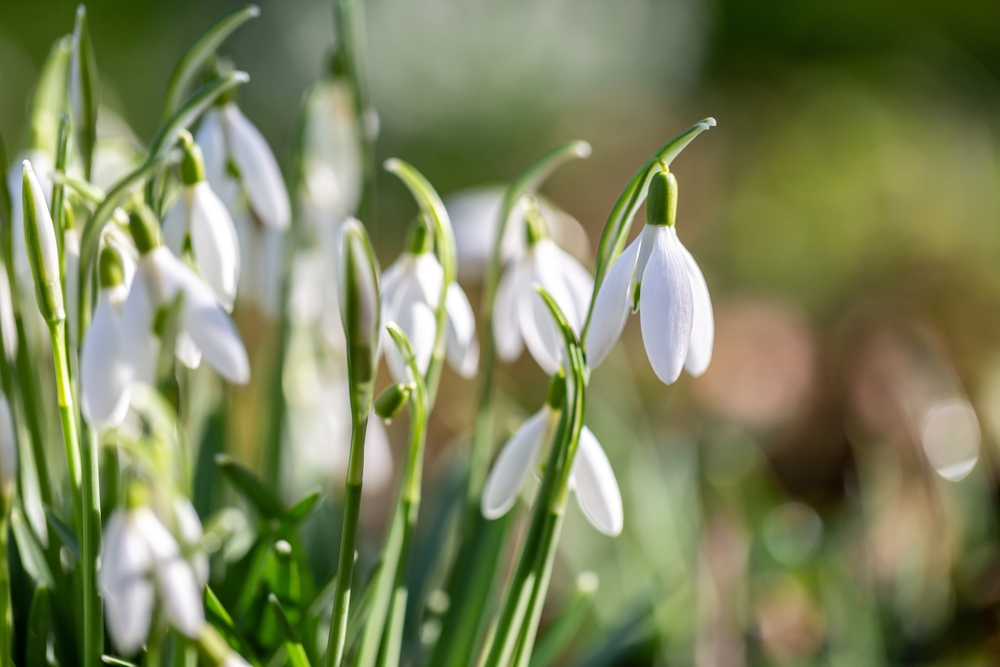
2. Snowdrops: Little White Harbingers
Snowdrops are the tiny heralds of hope that push through snow to announce the year’s first blooms. Their delicate white bells are surprisingly resilient and often appear as early as late December. Planting them in drifts along borders or under deciduous trees creates a magical carpet of white. Snowdrops naturalize quickly, meaning they come back stronger each year with minimal effort. Their subtle beauty makes them a must-have for winter gardens craving charm.
3. Witch Hazel: Spiky Winter Sunshine
Witch hazel is an unsung hero that dazzles with spidery blooms in yellow, orange, or red during the coldest months. Its flowers release a sweet fragrance, adding a sensory delight to winter walks. Beyond beauty, witch hazel is low maintenance and highly adaptable to different soil types. It also serves as an early food source for pollinators emerging in late winter. Every January, it reminds gardeners that life persists even when the frost bites.
4. Daphne: Fragrant Winter Jewels
Daphne shrubs offer heavenly fragrance along with pretty pink, white, or lavender blooms. They thrive in well-drained soil and semi-shade, making them excellent companions to hellebores or ferns. Daphne may be finicky about moisture, but their winter aroma rewards patient gardeners. Their blossoms often last for weeks, casting a gentle scent over frosty gardens. Each year, they return with renewed vigor, proving that patience in planting pays off.
5. Camellia: The Elegant Survivor
Camellias are iconic winter bloomers in shades of red, pink, and white, lighting up cold months with their glossy evergreen leaves. Hardy varieties can withstand light frosts, making them ideal for January color. They prefer acidic, well-drained soil and a sheltered location from harsh winds. Camellias are not only visually stunning but also add structure to a winter garden. With each passing year, they grow larger and more prolific, offering ever-more spectacular displays.
6. Winter Aconite: Golden Sunshine Under Snow
Winter aconite is a cheerful burst of sunshine in early January, with vivid yellow flowers that peek through the frost. These perennials thrive in woodland settings or under deciduous trees. Their tuberous roots store energy over winter, ensuring they return year after year stronger than before. They spread quickly if left undisturbed, creating impressive colonies over time. Winter aconite reminds gardeners that even the shortest days can hold bursts of brilliance.
7. Cyclamen Coum: Tiny Gem Flowers
Cyclamen coum is a low-growing perennial that emerges in January with heart-shaped leaves and charming pink, white, or magenta blooms. Ideal for shaded areas or rock gardens, they brighten dark winter corners. Cyclamen’s flowers often last for months, providing prolonged visual interest. Their ability to naturalize makes them increasingly abundant over the years. Gardeners adore them for their delicate appearance paired with incredible hardiness.
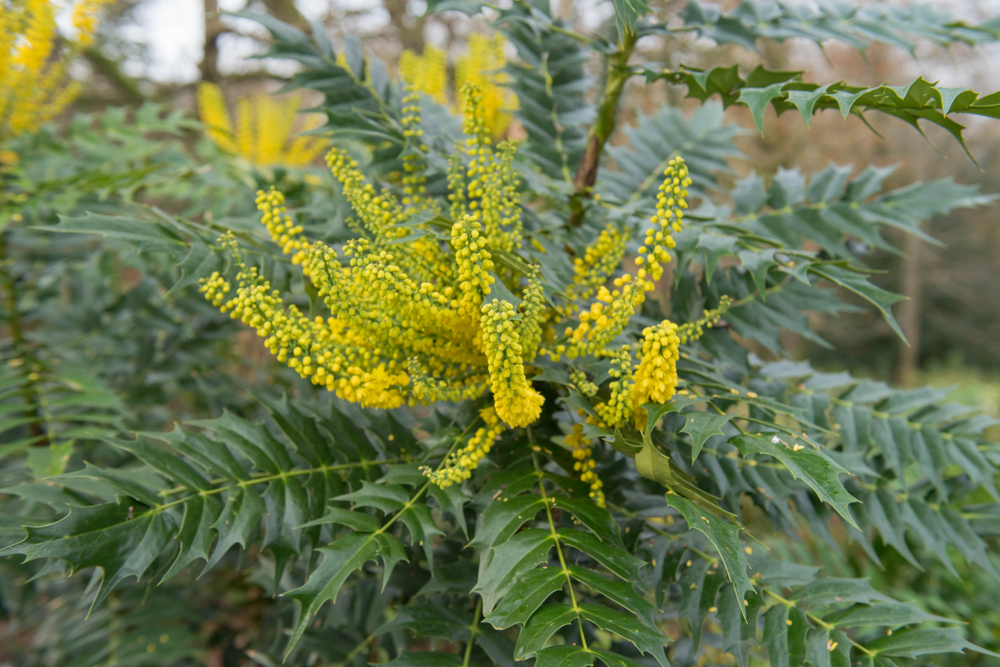
8. Mahonia: The Bold Evergreen
Mahonia brings architectural flair with its spiky leaves and bright yellow winter flowers. It’s particularly hardy and can handle frost, wind, and occasional snow. Pollinators love its blooms, even in winter, providing essential early-season nectar. Mahonia’s dense foliage also makes it a great hedge or privacy screen. Every January, this perennial proves that bold textures and color aren’t just summer perks.
9. Skimmia: Compact and Captivating
Skimmia is a compact evergreen shrub with fragrant winter flowers and vibrant red berries. Male and female plants are needed for berry production, but both bloom beautifully on their own. They thrive in partial shade and are remarkably low-maintenance. Skimmia adds structure and color to otherwise muted winter gardens. With time, these perennials become more robust and resilient, returning each January without fuss.
10. Pieris Japonica: The Graceful Evergreen
Pieris japonica features cascading clusters of bell-shaped flowers and evergreen foliage that often emerges red before turning green. It prefers acidic soil and partial shade, thriving under taller trees. Its winter flowers attract early pollinators while providing visual interest in the garden. Pieris grows steadily and becomes more striking with age. Gardeners love it for reliability and subtle, elegant beauty year after year.
11. Lungwort: Speckled Winter Charm
Lungwort is a low-growing perennial with silver-speckled leaves and delicate flowers in blue, pink, or white. Its foliage often brightens shaded winter gardens, and flowers emerge early, sometimes in January. It thrives in moist, well-drained soil, creating a soft, woodland look. Lungwort spreads gradually, meaning it strengthens and fills in gaps over time. Its longevity and charm make it a dependable winter performer.
12. Helleborus Niger: The True Christmas Rose
Helleborus niger, or the black hellebore, is a sturdy winter bloomer with pure white flowers that withstand frost and snow. Preferring partial shade and rich soil, it brings elegance and grace to a winter garden. Its flowers often appear right around the holiday season, extending into January. Over time, it forms clumps that increase in size and impact. Each year, it returns with vigor, earning its status as a winter classic.
13. Cornus Alba: Winter Red Stems
Cornus alba is a shrub prized for its bright red stems that stand out against snow and gray skies. While the flowers are subtle, the vibrant stems provide dramatic winter interest. Pruning encourages stronger growth and more vivid color each year. It’s adaptable to many soil types and hardy in most climates. Cornus alba ensures your garden has a bold splash of color when flowers are scarce.
14. Primrose: Early Color Blast
Primroses are cheerful, low-growing perennials that can bloom as early as January in milder climates. They thrive in well-drained soil and partial shade, offering shades from yellow to pink and violet. Their flowers often appear in clusters, creating a vibrant carpet effect. Primroses are hardy and return reliably year after year. For gardeners seeking early color, these winter warriors are unbeatable.
Your Winter Garden Awaits
Winter gardens don’t have to be bleak and lifeless. By choosing resilient perennials that return stronger every January, you can create a landscape that thrives even in frost and snow. These 14 plants prove that life persists and beauty continues, even when the rest of the world seems dormant.
Experiment, mix, and watch your garden transform into a winter wonderland with minimal effort. Let us know your thoughts or experiences with winter perennials in the comments section below.
You May Also Like…
How to Safely Move Perennials Before the Ground Freezes
6 Winter Garden Colour Schemes That Replace Summer Blooms
What Garden Experts Say Most Beginners Get Wrong in January
Why Some Gardeners Start Fresh Every New Year—And How It Helps
Why January Is the Most Underrated Month for Garden Planning

Brandon Marcus is a staff writer for FrugalGardening.com at District Media, Inc., where he delivers practical gardening advice with a relatable, no-nonsense style. An avid amateur gardener, he holds a BA degree and with over ten years of professional writing experience, he is also an award-winning published author whose first book, Questions For Deep Thinkers, was released by Adams Media. His work has appeared in major publications including Fandom.com, CHUD.com, TheColdWire.com, and Fansided.com.
Leave a Reply