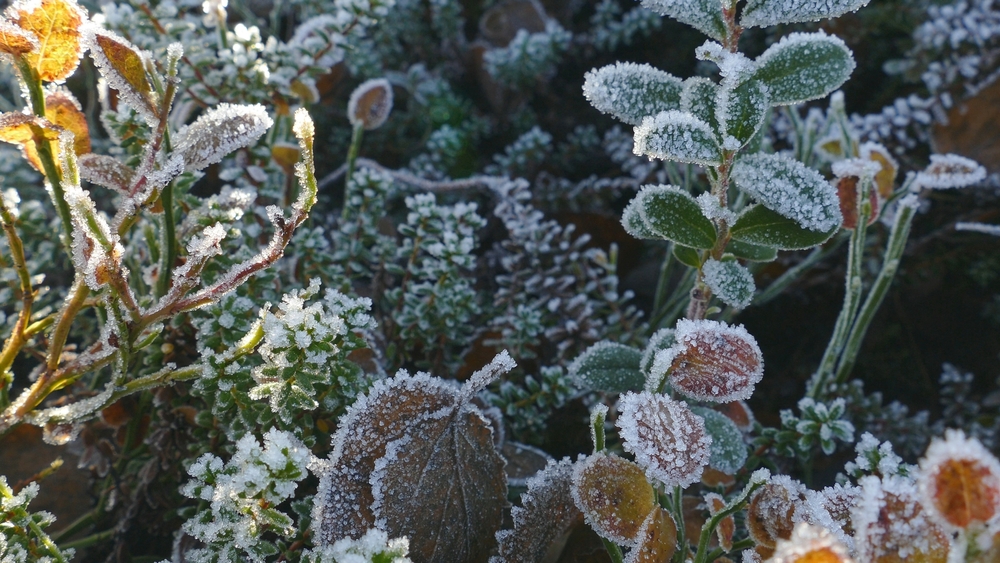
Winter gardening sounds like a rebellious idea, the kind that makes neighbors raise an eyebrow while clutching their seed catalogs in disbelief. Yet beneath the frost and quiet soil, something clever and surprisingly powerful is happening.
While most people hang up their gloves and wait for spring, a growing number of gardeners lean into the cold with confidence and curiosity. They know winter isn’t a dead season—it’s a strategic one. And once you understand why, you might never look at a frozen garden bed the same way again.
Cold Soil Creates Stronger Roots
Winter planting allows roots to establish slowly without the pressure of rapid top growth. In cold soil, plants focus their energy downward, building resilient root systems that pay off later. This slow start often leads to stronger, more drought-resistant plants once spring arrives. Trees, shrubs, and perennials especially benefit from this underground head start. Gardeners who plant in winter often notice healthier growth and fewer transplant shocks.
Nature Handles The Hard Work
Winter weather acts like a built-in assistant that prepares seeds for success. Many plants need a period of cold stratification, where freezing temperatures naturally break seed dormancy. Instead of mimicking this process in a refrigerator, gardeners let nature take the wheel. Snow, rain, and freeze-thaw cycles work together to create ideal germination conditions. When spring warmth returns, seeds wake up right on cue.
Fewer Pests And Problems
Cold temperatures drastically reduce insect activity and plant diseases. This gives winter-planted seeds and roots a quieter, less competitive environment to settle in. Without hordes of hungry pests, young plants face fewer early threats. Gardeners also spend less time battling infestations and more time enjoying progress. It’s a calmer, cleaner start to the growing season.
Soil Structure Gets A Natural Upgrade
Winter weather improves soil in ways no shovel can replicate. Freezing and thawing break up compacted earth, creating natural air pockets that improve drainage and root penetration. Organic matter decomposes slowly, enriching the soil over time. Snow acts like a protective blanket, preventing erosion and locking in moisture. By spring, the ground is softer, richer, and more welcoming.

Timing Gives Gardeners A Head Start
Planting in winter spreads out the workload and eases the rush of spring gardening. Gardeners can work at a slower, more thoughtful pace without the pressure of rising temperatures. Early planting means earlier blooms, earlier harvests, and longer enjoyment. It also allows better planning and experimentation with new varieties. When spring finally arrives, winter gardeners are already ahead of the curve.
A Quiet Season With Big Rewards
Winter gardening flips the script on what most people think is possible in cold months. It rewards patience, curiosity, and a willingness to trust nature’s rhythm. Those who try it often find themselves more connected to the land and more confident in their skills. The garden becomes a year-round companion rather than a seasonal project.
If you’ve ever planted something in the cold or are tempted to try, the comments section is waiting for your story.
You May Also Like…
Can Your Garden Recover After a Harsh Winter Freeze?
11 Hardy Plants That Bounce Back Faster Than You Think After Winter
11 Evergreen Tree Choices for Small Urban Winter Gardens
Why Evergreen Shrubs Are Winter’s Secret Weapon in the Garden
8 Shrubs With Colourful Bark You’ll Love in Winter Landscapes

Brandon Marcus is a staff writer for FrugalGardening.com at District Media, Inc., where he delivers practical gardening advice with a relatable, no-nonsense style. An avid amateur gardener, he holds a BA degree and with over ten years of professional writing experience, he is also an award-winning published author whose first book, Questions For Deep Thinkers, was released by Adams Media. His work has appeared in major publications including Fandom.com, CHUD.com, TheColdWire.com, and Fansided.com.
Leave a Reply