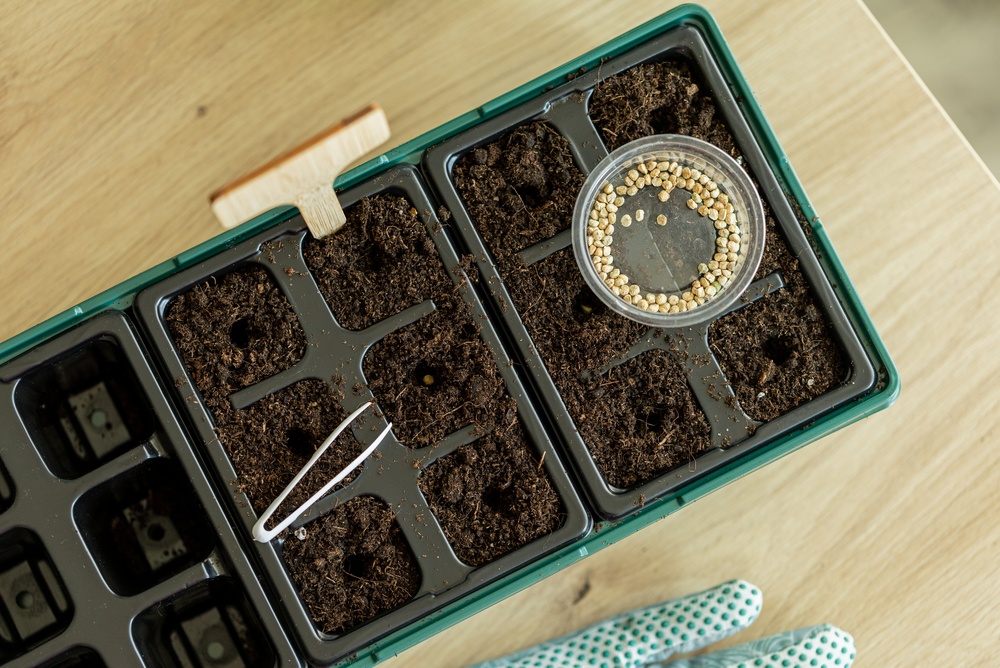
Starting seeds indoors doesn’t have to feel like a luxury hobby reserved for people with sprawling greenhouses or endless cash to burn. Even with a tight budget, a little creativity, planning, and resourcefulness can turn a sunny windowsill into a thriving garden. From clever container choices to inexpensive soil alternatives, there’s an art to starting seeds without throwing money away. It’s not about cutting corners—it’s about working smart and letting the plants thrive.
Seedlings that start strong indoors often define the success of the entire garden season. Investing thought, attention, and a small touch of ingenuity into the earliest stages of growth ensures that plants leap from soil to maturity with vigor. Every seed is a tiny investment that deserves a fighting chance, and giving it the right conditions at minimal cost creates a sense of satisfaction that’s almost addictive.
Choose the Right Seeds Without Breaking the Bank
Choosing seeds wisely sets the foundation for a successful indoor garden. Opt for varieties that thrive indoors, germinate quickly, and tolerate your home environment. Herbs like basil, cilantro, and parsley, along with vegetables such as lettuce and radishes, are both inexpensive and fast-growing, giving quick results for minimal effort. Buying seeds in bulk or from discount suppliers can stretch your budget without sacrificing quality. Checking for heirloom or open-pollinated options also ensures seeds can sometimes be saved for future seasons, which multiplies the value of your initial purchase.
Beyond cost, think about what will thrive given the space and lighting available. Some plants need minimal space or shallow soil, while others demand more room and nutrients. Matching seed choice to conditions prevents wasted money on plants that fail to thrive. Experimentation can be fun and low-risk when small packets are selected strategically. Careful seed selection transforms a modest indoor gardening setup into a surprisingly productive and rewarding endeavor.
DIY Containers: Use What You Already Have
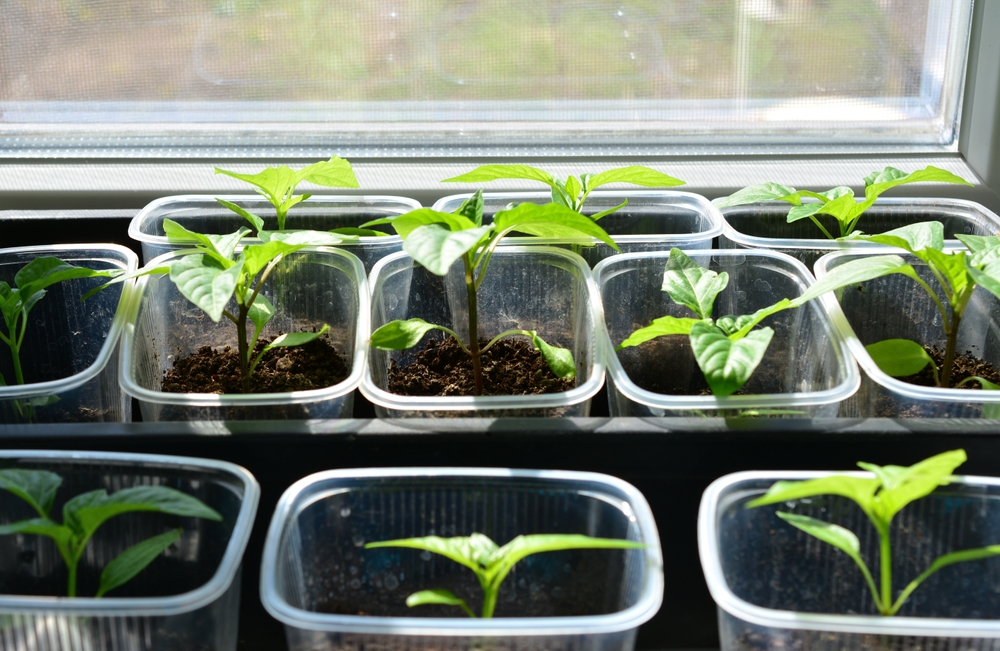
Plastic cups, yogurt containers, egg cartons, and even scrap cardboard boxes can double as seed-starting pots. Reusing materials not only saves money but also reduces waste, creating a mini sustainable garden right at home. Poking small drainage holes in the bottom of each container ensures water doesn’t pool and roots don’t rot. Using shallow containers for smaller seeds and deeper ones for larger seedlings prevents overcrowding and allows proper root development.
For those who enjoy a touch of creativity, labeling each container with color-coded markers or tape keeps track of different varieties. Layering trays with old plates or cookie sheets catches excess water and keeps surfaces tidy. Containers don’t have to be fancy or expensive to work; they just need to provide structure and stability for the growing seedlings. Repurposing common household items gives seedlings a comfortable home while keeping money in the pocket.
Affordable Soil Mixes That Actually Work
High-end seed-starting mixes aren’t necessary to see strong growth. Combining equal parts of potting soil, compost, and vermiculite or perlite creates a loose, well-draining medium that supports root health. If compost isn’t available, shredded leaves or garden soil can fill in, although sterilization might be necessary to reduce pests and mold. Light, airy soil allows roots to establish quickly, reducing the risk of damping-off, a common fungal problem in seedlings.
Water retention and nutrient availability remain the most important soil considerations. Adding a pinch of slow-release organic fertilizer can boost growth without extra cost. Mixing small batches at a time ensures freshness and avoids waste, letting you adjust ratios for different types of seeds. Proper soil preparation saves money by preventing seedling loss and improving the chances of healthy, transplantable plants.
Light on a Budget: Maximize Every Sunbeam
Lighting is often the trickiest part of indoor seed starting, but it doesn’t require expensive grow lights. A south-facing window can provide ample natural sunlight for most seedlings. Reflective surfaces like aluminum foil or white walls can increase light exposure by bouncing rays back toward the plants. Adjusting container positions throughout the day ensures even growth and prevents leggy, weak seedlings.
If sunlight is insufficient, inexpensive fluorescent or LED bulbs with adjustable height can supplement natural light. Positioning bulbs a few inches above seedlings mimics natural conditions, promoting strong stems. Timing lights for 12-16 hours per day gives seedlings the energy they need without overcomplicating setups. Thoughtful management of lighting conditions saves money, prevents wasted seeds, and encourages vigorous plant development.
Water Wisely Without Wasting a Drop
Watering seedlings may seem simple, but mistakes can be costly. Overwatering encourages fungal growth and root rot, while under-watering stresses plants and slows development. Using a spray bottle or small watering can allows precise control over moisture, preventing waste and promoting healthy roots. Bottom watering, where trays hold water for seedlings to absorb gradually, is another cost-effective method that reduces water loss and minimizes soil disturbance.
Consistency matters more than quantity. Establishing a simple watering schedule based on soil moisture, rather than rigid times, saves water and avoids drowning delicate seedlings. Reusing clean water from household activities, like rinsing vegetables, can reduce waste while giving seedlings a gentle nutrient boost. Smart watering practices create resilient seedlings without inflating utility bills.
Keep Temperature and Humidity in Check
Seeds germinate best within a specific temperature range, often between 65 and 75 degrees Fahrenheit. Using a heating mat or placing trays on top of warm appliances can maintain consistent warmth for optimal germination. Covering containers with a clear plastic lid or plastic wrap helps retain humidity, creating a mini greenhouse effect that encourages rapid sprouting. Removing the cover gradually after sprouting prevents seedlings from becoming too soft or leggy.
Even small adjustments, like moving trays away from drafty windows or rotating them for even heat distribution, improve results without extra expense. Monitoring conditions with inexpensive thermometers and observing plant behavior ensures seedlings thrive. Controlling microclimates indoors minimizes seed loss, accelerates growth, and keeps costs low by reducing the need for replacement seeds.
Transplant Timing: Save Space and Money
Knowing when to transplant seedlings into larger pots or directly outdoors prevents wasted resources and overcrowding. Transplanting too early can stunt growth, while waiting too long leads to root tangling and competition for nutrients. Harden off seedlings gradually by introducing them to outdoor conditions for a few hours each day before permanent planting. This process strengthens plants and increases survival rates without extra spending.
Proper timing ensures that each seedling reaches its potential without unnecessary losses, stretching the value of every packet of seeds purchased. Preparing soil beds ahead of transplant and arranging plants with adequate spacing saves on fertilizers and water by reducing competition. Thoughtful transplanting maximizes space, minimizes waste, and helps a budget-conscious indoor garden flourish.
Growing Big Wins from Small Investments
Starting seeds indoors on a budget proves that gardening success depends more on strategy than spending. Selecting appropriate seeds, repurposing containers, preparing cost-effective soil, managing light and water efficiently, and controlling environment and transplant timing all combine to create thriving plants. Each small investment of time or creativity compounds into healthier seedlings and a more productive garden season.
Which seed-starting hack inspires the most confidence? Have any creative container ideas, soil mixes, or light tricks that made a difference? Share your experiences, strategies, or favorite successes in the comments below and spark ideas for others to grow amazing plants without spending a fortune.
You May Also Like…
Why Some Seeds Don’t Germinate
How to Stop Birds From Digging Up Seeds
How to Save Seeds Instead of Buying New Packets
9 Seeds You Can Plant Immediately — No Matter the Weather
5 Tips For Successfully Reviving 100 Year Old Tomato Seeds

Brandon Marcus is a staff writer for FrugalGardening.com at District Media, Inc., where he delivers practical gardening advice with a relatable, no-nonsense style. An avid amateur gardener, he holds a BA degree and with over ten years of professional writing experience, he is also an award-winning published author whose first book, Questions For Deep Thinkers, was released by Adams Media. His work has appeared in major publications including Fandom.com, CHUD.com, TheColdWire.com, and Fansided.com.
Leave a Reply