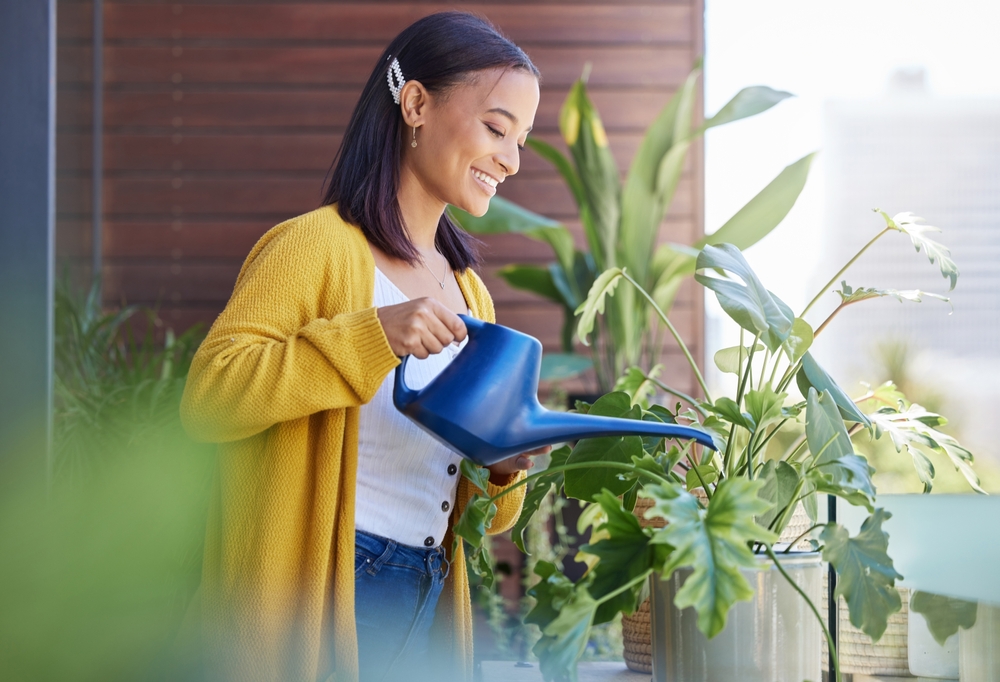
Winter doesn’t mean your garden takes a vacation. In fact, January is a secret powerhouse month for gardeners who know the tricks, and beginners often stumble before they even know what’s possible. While frost and gray skies might seem like signals to slow down, smart gardeners are already setting the stage for a lush spring.
But many newcomers make predictable mistakes that stunt growth, waste money, or create chaos in the yard. Understanding what not to do in January could save your garden and your sanity.
Overwatering Cold-Weather Plants Can Be Deadly
One of the most common mistakes beginners make is thinking plants are always thirsty. In January, cold temperatures slow growth and reduce water needs dramatically. Overwatering can drown roots, cause fungal infections, and even kill hardy perennials. Experts recommend checking soil moisture before giving any plant a drink. Remember, less is often more when frost is still on the ground.
Ignoring Soil Preparation Today Hurts Tomorrow
Many novices wait until spring to start soil prep, missing a golden window. January is perfect for turning compost into soil, testing pH, and adding organic matter. Doing this early gives nutrients time to break down and enrich the soil before planting season. Skipping this step can lead to nutrient deficiencies and weak plant growth. Gardeners who prep now reap bigger, healthier harvests later.
Planting Too Early Risks Frost Damage
Ambitious beginners sometimes rush to sow seeds outdoors before the danger has passed. Even cold-hardy varieties can struggle if planted during a harsh winter. Garden experts stress checking local frost dates and understanding microclimates in your yard. Using cold frames or protective covers is smarter than risking everything outside too soon. Patience now ensures a robust garden when spring finally arrives.
Neglecting Indoor Seed Starting Opportunities
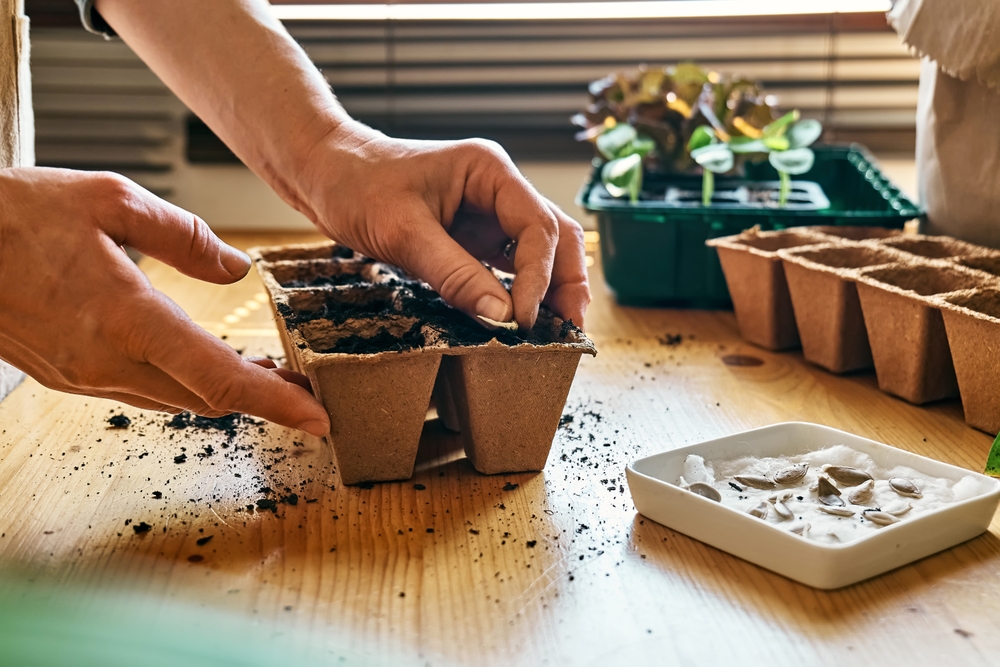
Many beginners underestimate the potential of indoor gardening in January. This month is perfect for starting tomatoes, peppers, and herbs under grow lights. Indoor seed starting gives plants a head start so they’re ready to transplant when the soil warms. Forgetting this opportunity can make spring feel rushed and stressful. Experts encourage investing in trays, lights, and proper soil mix now for a productive season ahead.
Pruning Without Proper Knowledge Can Backfire
Pruning is another area where beginners stumble. Cutting at the wrong time can remove buds, reduce blooms, or even invite disease. In January, deciduous trees and shrubs are often dormant, making this the ideal moment—but only if you know what to cut. Experts recommend studying each plant species before snipping a single branch. A little research prevents big regrets and keeps your garden healthy.
Ignoring Mulch Leaves Plants Vulnerable
Mulching isn’t just for aesthetics; it’s a protective shield in winter. Beginners often forget this step, leaving soil exposed to freeze-thaw cycles that harm roots. Applying mulch now helps retain moisture, control weeds, and maintain temperature stability. Organic mulches like straw, bark, or shredded leaves are best. Skipping mulch is like sending your plants into battle without armor.
Underestimating Pest Activity During Winter
Many assume pests sleep through January, but the truth is more complicated. Some insects, rodents, and fungal diseases stay active in cold weather, quietly attacking plants. Beginners often ignore signs of trouble until damage is severe. Experts advise inspecting garden beds, cleaning debris, and using preventative measures even in winter. Early attention prevents small problems from exploding into major headaches come spring.
Forgetting Garden Tools Need TLC
Your tools deserve attention too, but beginners often overlook maintenance. Cold, damp storage can rust metal and dull blades. Cleaning, sharpening, and oiling tools now saves frustration when gardening activity ramps up. Experts even suggest labeling and organizing storage areas to avoid hunting for a single trowel. A well-cared-for toolbox keeps gardening enjoyable rather than stressful.
Skipping Garden Journals Hurts Long-Term Success
Keeping records may feel unnecessary to new gardeners, but January is a great time to start. Tracking what worked, what didn’t, and weather patterns can guide decisions for years. Beginners often forget to note planting dates, seed sources, or pruning schedules. Experts stress that a simple journal prevents repeated mistakes and boosts confidence. Small notes now mean smarter gardening in the seasons to come.
Overlooking Wildlife Benefits And Hazards
Finally, many beginners fail to account for local wildlife. Birds, squirrels, and even deer interact with winter gardens in ways that affect growth. Experts suggest providing bird feeders, protective netting, or barriers to prevent unwanted munching. Ignoring wildlife can undo all your careful planning. A thoughtful balance benefits both your garden and local ecosystem.
Avoiding January Gardening Pitfalls
Winter gardening mistakes may seem small, but they can snowball into bigger problems by spring. By paying attention to watering, soil prep, pruning, seed starting, and pest management, beginners can avoid frustration and set their gardens up for massive success. January is not a month to relax—it’s a month to strategize and prepare. Take a few expert-backed steps now, and your garden will thank you with healthy growth and bountiful blooms.
Leave your thoughts or stories about winter gardening in the comments section below.
You May Also Like…
Why January Is the Most Underrated Month for Garden Planning
11 Evergreen Tree Choices for Small Urban Winter Gardens
7 Container Gardens You Can Move Indoors for Winter Success
What Garden Bloggers Are Saying About Winter Microgreens
Are Your Garden Containers Rated for Frost or Will They Crack?

Brandon Marcus is a staff writer for FrugalGardening.com at District Media, Inc., where he delivers practical gardening advice with a relatable, no-nonsense style. An avid amateur gardener, he holds a BA degree and with over ten years of professional writing experience, he is also an award-winning published author whose first book, Questions For Deep Thinkers, was released by Adams Media. His work has appeared in major publications including Fandom.com, CHUD.com, TheColdWire.com, and Fansided.com.
Leave a Reply