Birdwatching doesn’t require hiking boots, binoculars the size of a submarine, or a silent vow of patience. Sometimes, the most thrilling wildlife encounters happen ten feet from your back door, coffee in hand, socks mismatched, grinning like a kid. Backyard birds bring color, music, motion, and personality into everyday life—and the right ones do it without turning your yard into a feathery circus of chaos.
With smart choices and a little intention, you can invite delightful winged guests while keeping rodents, aggressive flocks, and mess to a minimum. It’s time to meet the birds that play nice, look fantastic, and know how to behave at the feeder.
1. Northern Cardinal
Northern Cardinals are the royalty of backyard birds, and they know it. The males arrive dressed in brilliant red, while females bring subtle beauty with warm browns and flashes of coral. Cardinals are polite eaters who prefer sunflower seeds, especially black oil sunflower seeds, which discourages pests that can’t crack the shells. They tend to feed during daylight hours and don’t travel in massive, overwhelming flocks.
Cardinals also stick around year-round in many regions, giving your yard a reliable splash of color even in winter. Their clear, whistling songs make your yard sound alive without the nonstop noise of larger groups.
2. American Goldfinch
American Goldfinches look like flying confetti when they sweep through a yard. Bright yellow in summer and softly muted in winter, they’re always a visual win. These birds adore nyjer (thistle) seed, which most nuisance animals ignore entirely. Goldfinches are light, acrobatic feeders that won’t demolish your setup or scatter food everywhere. They’re social without being overwhelming, often appearing in small groups that feel charming rather than chaotic. Bonus points: they’re late nesters, so they stay active well into late summer when other birds quiet down.
3. Chickadee
Chickadees are tiny, fearless, and endlessly entertaining. They’ll dart in, grab a seed, and zip away like they’re late for an important meeting. Chickadees prefer sunflower seeds and peanuts, and they rarely linger long enough to attract pests. Their small size means they don’t consume massive quantities of food, which keeps leftovers from piling up. Chickadees are also curious and bold, often becoming the first birds to test a new feeder. Their cheerful “chick-a-dee-dee-dee” calls add personality without overwhelming your soundscape.
4. House Finch
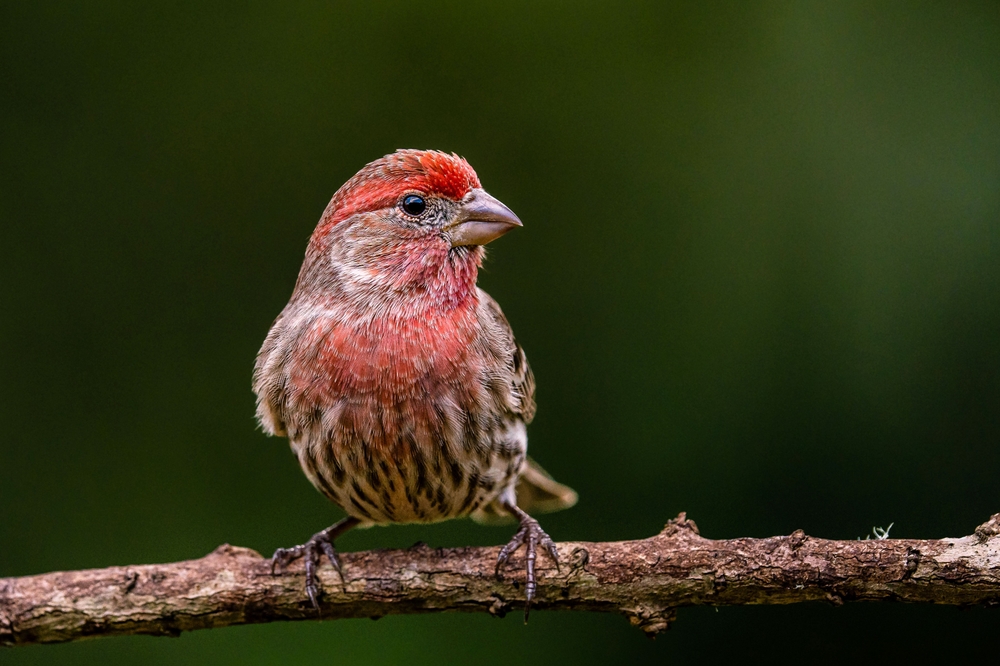
House Finches bring a relaxed, friendly vibe to backyard birding. Males show off rosy-red faces and chests, while females keep it understated but elegant. They enjoy sunflower seeds and will happily use tube feeders designed to limit spillage. House Finches are adaptable and comfortable around people, making them consistent visitors. They typically feed in manageable groups rather than massive swarms. Because they’re not aggressive, they coexist well with other birds and don’t chase everyone else away from the buffet.
5. Downy Woodpecker
Downy Woodpeckers are small, charming, and surprisingly gentle for a bird with a hammer for a face. They’re the smallest woodpecker in North America and prefer suet feeders, which are less likely to attract rodents when properly placed. Downies are solitary or appear in pairs, so they don’t overwhelm your yard. They help control insects by pecking at tree bark, making them useful guests. Their black-and-white pattern with a hint of red feels classic and striking. Best of all, they’re far less destructive than their larger woodpecker cousins.
6. Blue Jay
Blue Jays have a reputation, but when managed properly, they’re fantastic backyard birds. Their electric blue feathers and bold personalities are hard to ignore. Jays prefer peanuts, especially in the shell, which limits mess and slows down feeding. They’re intelligent and cautious, often grabbing food and flying off rather than camping at the feeder. While they can be loud, they don’t usually attract pests unless excess food is left out. In return, they bring drama, beauty, and impressive mimicry skills to your yard.
7. Mourning Dove
Mourning Doves are the calm philosophers of the backyard. Soft gray feathers and gentle cooing give them a peaceful presence. They prefer ground feeding or platform feeders with larger seeds like millet. Because they feed during the day and eat methodically, they’re less likely to cause nighttime pest issues. Mourning Doves usually travel in pairs or small groups, keeping things civilized. Their slow, graceful flight adds a soothing rhythm to the yard, balancing out more energetic species.
8. Tufted Titmouse
Tufted Titmice look like tiny birds wearing fancy hats, and they act just as confident. These birds enjoy sunflower seeds and peanuts and often grab food to go. Like chickadees, they don’t linger long enough to create a mess. Titmice are bold but not aggressive, holding their own without dominating feeders. They’re active year-round, bringing life to winter yards when things feel quiet. Their whistled calls are distinctive and pleasant, adding variety to your backyard soundtrack.
Build A Backyard That Birds Love And Pests Ignore
Creating a bird-friendly yard doesn’t mean surrendering control or dealing with unwanted visitors. By choosing the right species, feeders, and foods, you can enjoy beauty, movement, and birdsong without chaos. Each of these birds brings something special, whether it’s color, character, or calm energy. Backyard birding is part science, part art, and a whole lot of joy.
If you’ve had memorable moments, surprises, or favorite feathered visitors, drop your thoughts or stories in the comments section below.
You May Also Like…
7 Birds And Wildlife Friendly Plants to Add in Winter
9 Shrubs With Berries Birds Rely on in Winter
9 Fruits to Harvest Before the Birds Do
How Wildlife Relies on Your Fall Garden for Survival
6 Garden Pests That Hibernate in Your Soil

Brandon Marcus is a staff writer for FrugalGardening.com at District Media, Inc., where he delivers practical gardening advice with a relatable, no-nonsense style. An avid amateur gardener, he holds a BA degree and with over ten years of professional writing experience, he is also an award-winning published author whose first book, Questions For Deep Thinkers, was released by Adams Media. His work has appeared in major publications including Fandom.com, CHUD.com, TheColdWire.com, and Fansided.com.
Leave a Reply