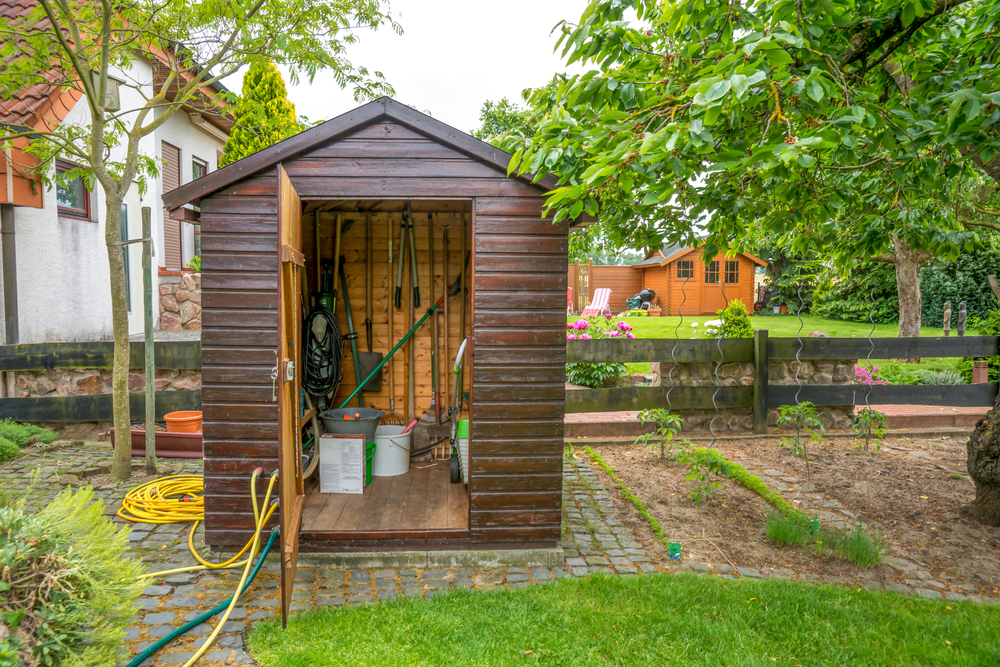
Winter is coming, and while you might be busy stocking up on firewood or prepping your garden tools for hibernation, there’s a secret threat lurking in the shadows: pests. Tiny intruders like rodents, spiders, and insects see your cozy shed as prime real estate when the cold weather hits. One day you’re enjoying a clean, organized space, and the next you’re waging war against tiny invaders chewing through insulation or leaving mysterious droppings behind.
The good news is that a little awareness and preparation now can save you a ton of headaches later. Let’s take a look at the clever ways you can catch these hidden pests before they even think about moving in.
Inspect Every Nook And Cranny
The first step in preventing a pest invasion is to look closely at your shed like a detective on a stakeout. Check corners, under shelves, and behind stored items for tiny signs of intruders such as droppings, gnaw marks, or unusual debris. Pay special attention to cracks in the walls, gaps under doors, and holes around vents—these are prime entry points.
Even seemingly harmless clutter can hide evidence of pests, so don’t ignore old boxes or piles of gardening supplies. A thorough inspection now will give you the upper hand before winter fully sets in.
Seal All Entry Points
Once you’ve identified possible entryways, it’s time to block them off. Use weather stripping, caulking, or even steel wool to seal gaps and cracks that pests could squeeze through. Doors that don’t close tightly should be fitted with proper seals, and vents can be covered with fine mesh to keep even the smallest insects out. Remember, rodents can gnaw through soft materials, so pick your barriers wisely. By proactively sealing your shed, you’re not just keeping pests out—you’re setting the stage for a hassle-free winter.
Keep The Space Clean And Organized
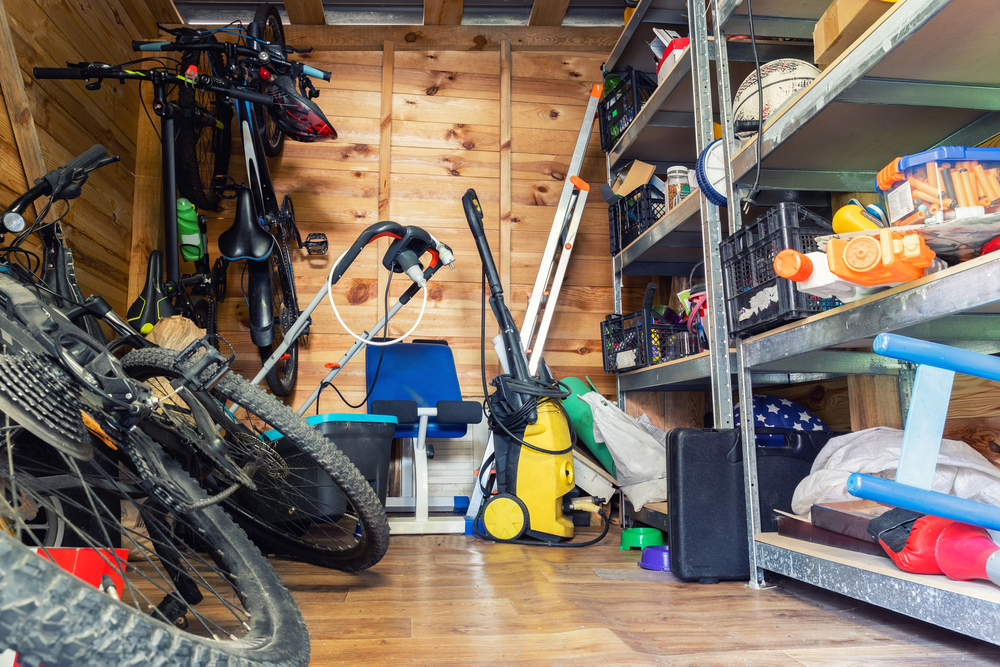
A cluttered shed is like a five-star hotel for pests, offering hiding spots and easy access to food. Sweep the floors, clear out cobwebs, and store garden supplies in sealed containers. If you keep pet food, birdseed, or fertilizer in the shed, make sure it’s in airtight containers to prevent attracting rodents or ants. Rotating out old materials and ensuring nothing is damp or rotting will make your shed far less appealing. Cleanliness isn’t just aesthetic—it’s a critical line of defense against winter invaders.
Use Natural Deterrents
You don’t need harsh chemicals to make your shed uninviting. Certain natural deterrents work wonders: peppermint oil, cedar blocks, and dried lavender can repel rodents and insects without harming the environment. Placing sachets in corners or around doors can make pests think twice before entering. You can also use vinegar or lemon juice solutions to wipe down surfaces for a double layer of protection. These natural strategies are simple, safe, and surprisingly effective at keeping unwanted guests away.
Set Up Early Detection Traps
Catching pests before they settle in means giving yourself the chance to react quickly. Snap traps, sticky traps, or bait stations placed strategically around the shed can alert you to the presence of invaders before they become a full-blown problem. Make sure to place traps along walls, behind boxes, and near entry points for maximum coverage. Regularly check and refresh traps to maintain their effectiveness. Early detection is key—once pests establish nests, they’re far harder to remove.
Monitor Moisture Levels
Damp environments are a magnet for pests, attracting insects like silverfish and spiders, as well as rodents searching for water. Inspect your shed for leaks, condensation, or pooling water, and address any issues immediately. Consider using a dehumidifier or moisture-absorbing packets to keep the environment dry. Gutters, downspouts, and the area around the shed should also be checked for water buildup. Maintaining low moisture levels makes your shed an unattractive and inhospitable home for potential intruders.
Keep A Regular Schedule
Pest prevention isn’t a one-time task—it’s an ongoing effort. Schedule weekly or monthly checks of your shed, inspecting traps, seals, and any stored items. Rotate stored items so you can access hidden corners and avoid giving pests undisturbed areas to nest. Consistent maintenance allows you to catch problems early and adjust your strategies if pests start showing signs of activity. A well-monitored shed is far less likely to become a winter breeding ground for unwanted guests.
Know When To Call In Help
Even the most diligent pest prevention efforts might not be enough if an infestation is already established. Recognizing the signs of a larger problem—such as gnawed wiring, persistent droppings, or strange smells—can save you from bigger headaches. If you notice these warning signs, don’t hesitate to call a professional pest control service. Experts can assess the situation and provide targeted strategies to eradicate the pests safely. Knowing when to seek help is just as important as the prevention steps you take.
Stay One Step Ahead
Catching hidden pests before they invade your shed this winter takes vigilance, strategy, and a bit of detective work. From inspecting every corner to sealing entry points, using natural deterrents, and monitoring moisture, every step adds a layer of protection. Remember, pests thrive in cluttered, dark, or damp spaces, so keeping your shed clean and well-organized is essential. Regular checks and early detection traps give you the advantage of addressing problems before they spiral out of control.
Have you ever battled a winter pest invasion in your shed? If so, make sure that you share your tips, stories, or lessons learned in the comments section so other people to learn.
You May Also Like…
6 Garden Pests That Hibernate in Your Soil
Why Overripe Fruits Invite More Fall Pests
7 Plants That Attract Dangerous Pests without You Realizing It
5 Common Plants That Secretly Attract Pests
How to Design and Plan Your Dream Greenhouse Or Shed

Brandon Marcus is a staff writer for FrugalGardening.com at District Media, Inc., where he delivers practical gardening advice with a relatable, no-nonsense style. An avid amateur gardener, he holds a BA degree and with over ten years of professional writing experience, he is also an award-winning published author whose first book, Questions For Deep Thinkers, was released by Adams Media. His work has appeared in major publications including Fandom.com, CHUD.com, TheColdWire.com, and Fansided.com.
Leave a Reply