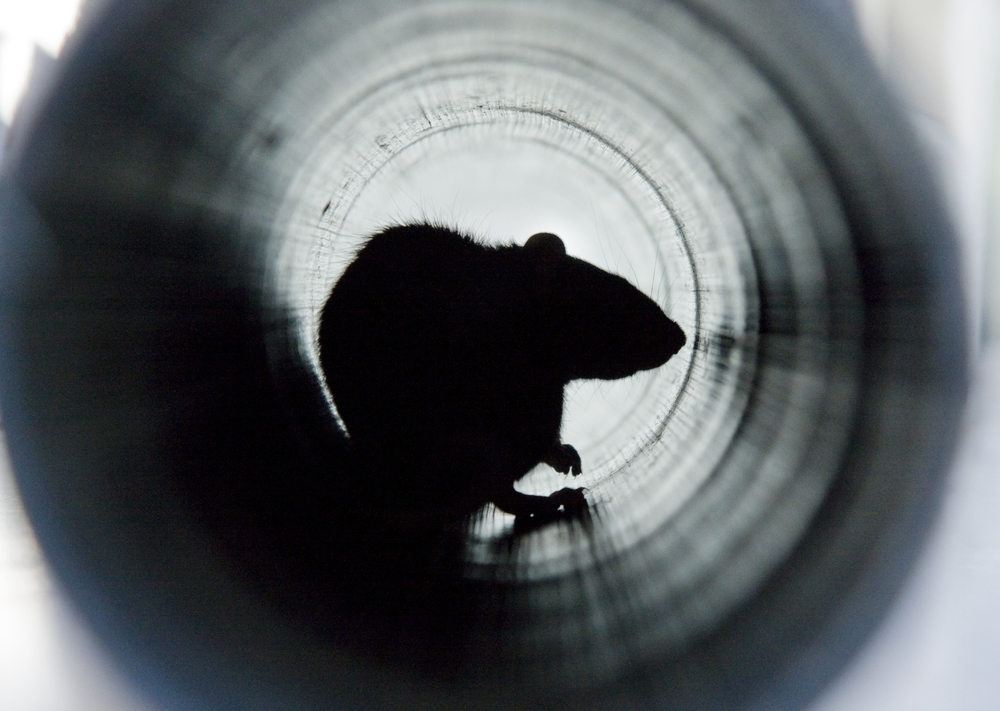
Your garden shed should be a fortress of lawnmowers, fertilizer bags, and carefully stacked pots. Yet, lurking in the shadows are some of nature’s tiniest Houdinis—rodents with ambition, determination, and an unmatched knack for mischief. They don’t just appear; they have a toolkit of cunning methods to get inside, chew, nibble, and explore every nook.
These critters are resourceful, adaptable, and downright clever, and understanding how they infiltrate your shed is the first step in outsmarting them. From minuscule cracks to forgotten vents, let’s take a tour of the secret ways rodents can enter your backyard kingdom.
1. Tiny Cracks And Crevices
Even the most solid-looking sheds can harbor tiny cracks that are a mouse’s dream. Rodents have incredibly flexible skulls, allowing them to squeeze through gaps as small as a dime. Those minuscule cracks around doors, windows, and corners often go unnoticed by human eyes but serve as perfect entry points.
Over time, wood can warp, paint can chip, and small cracks can expand without anyone realizing. If you ignore these gaps, you’re essentially leaving the front door open for uninvited visitors. Seal them with caulk, weatherstripping, or steel wool, because every inch counts when these tiny adventurers are involved.
2. Vents And Air Ducts
Ventilation is essential for a shed to avoid dampness, but rodents see vents as highways straight into your storage paradise. They can gnaw through thin metal or plastic covers or squeeze through gaps in poorly fitted ductwork. Rodents are also masters of vertical climbing, so vents high above the ground are far from safe. Using mesh screens over vents can prevent these intrusions, but it needs to be strong and durable to withstand persistent gnawing. Consider regular inspections to catch wear and tear before it becomes a welcome mat. Remember, what was a minor gap yesterday could be a fully-fledged rodent highway tomorrow.
3. Doors That Don’t Close Properly
A shed door that sticks or doesn’t seal tightly is basically an open invitation. Even a few millimeters of space at the bottom or sides can be enough for mice or rats to squeeze through. Rubber seals, metal thresholds, and magnetic strips can help make doors more rodent-proof. Watch for warped wood or rusty hinges, as these imperfections can create gaps over time. A door might seem snug, but rodents aren’t picky—they’ll find the tiniest weakness. Treat door maintenance as a regular task, not a one-time fix, to keep your shed secure.
4. Windows Without Screens
Windows are a double-edged sword: they let in light and air but also give rodents a potential entry point. A tiny hole in an old screen, or a screen that isn’t tightly secured, is enough for a determined rodent. Rodents are incredibly resourceful, sometimes climbing walls or nearby trees to reach higher windows.
Consider heavy-duty wire mesh or adding a secondary barrier for windows that are frequently left open. Windows are more vulnerable than most people think, and vigilance is key. They can turn a sunny shed into a rodent-friendly hideaway if left unchecked.
5. Holes In The Floor
Some sheds sit on raised platforms, others directly on the ground—but both can have floor gaps that rodents exploit. They can chew through softer wood, burrow under thin foundations, or sneak through pre-existing holes from nails or wear. Rodents are natural diggers, so a shed without a proper floor barrier is like offering them a welcome mat. Inspect the base of your shed for weaknesses, and consider adding a metal barrier beneath wooden floors to block their entry. Even small holes can allow rodents to establish a nest inside. Prevention at the ground level is crucial.

6. Stacks Of Firewood Or Garden Supplies
Clutter is a rodent’s paradise. Piles of firewood, bags of soil, or stacked garden supplies can hide rodents while giving them an easy path into your shed. They love the cover, the scent, and the material they can gnaw through for nesting. Keeping items elevated, neatly stacked, and away from shed walls reduces this risk. Periodically checking behind and under stacks can reveal rodent signs before a full invasion occurs. Remember, the closer these stacks are to your shed, the more likely rodents will attempt an entry.
7. Cracked Foundation
A foundation that is cracked or crumbling is more than just an eyesore—it’s a welcome portal. Even small fissures provide rodents with leverage to gnaw, burrow, and make their way inside. Concrete and stone foundations aren’t immune; weathering and erosion can slowly create gaps over time. Rodents are patient and persistent, returning until an entry is successfully created. Repairing cracks promptly and sealing gaps with rodent-proof materials is a critical defense. Regular inspections are non-negotiable if you want to keep these critters out.
8. Gaps Around Pipes And Cables
Anything that penetrates the shed walls—a water pipe, electrical conduit, or even a garden hose—can become a rodent highway. Mice and rats can wiggle through incredibly tight spaces, often gnawing the edges to widen them. Even synthetic materials aren’t always safe; many rodents can chew through plastic with persistence. Ensuring all pipe entries are sealed with steel wool or caulk keeps these pathways closed. A little maintenance here saves a lot of frustration later. Rodents love using existing holes instead of creating new ones whenever possible.
9. Roof Vents And Eaves
Rodents aren’t limited to the ground—they’re excellent climbers. Roof vents, eaves, and overhangs provide entry points that are often overlooked. Birds, squirrels, and other critters can sometimes assist rodents by weakening structures. Rodents can squeeze through gaps in shingles, fascia boards, or vents without triggering any alarms. Inspecting the roofline and securing any weak spots is essential. Consider metal mesh or reinforcement in these higher areas to keep intruders at bay.
10. Old Or Decayed Wood
Old wood isn’t just fragile—it’s a buffet for rodents. Rotten planks, deteriorating siding, or weakened supports are easy to chew and squeeze through. Even small, seemingly solid pieces can have hidden cavities rodents exploit. Replacing decayed wood with treated or metal-reinforced alternatives makes the shed less hospitable. Check regularly for signs of wear and tear, especially after heavy rains or winter seasons. Rodents can sense weakness and will capitalize on it faster than most gardeners can say “trap.”
11. Garden Hoses And Drains
Hoses and drainage systems might seem harmless, but they can provide pathways right into your shed. Mice and rats are incredibly resourceful with water routes, slipping through loose connections or uncovered drains. Flexible hoses are especially vulnerable, as rodents can gnaw through or crawl inside them.
Make sure drains are capped, hoses are stored properly, and any gaps around water systems are sealed. Even minor neglect can create a direct link for rodents into your storage area.
What’s Your Solution To Rodents In Your Garden?
Rodents are small, clever, and sometimes infuriatingly persistent, but knowing their tactics gives you the upper hand. Inspecting cracks, vents, doors, and even rooflines regularly is key to protecting your shed and everything inside it.
Which of these methods have you seen rodents attempt in your own garden? We’d love to hear about your encounters, creative solutions, or clever prevention tricks in the comments section below.
You May Also Like…
How to Keep Rodents from Chewing Your Tree Trunks This Winter
Why Rodent Populations Spike in Autumn Gardens
Why Skipping Crop Rotation Leads to Bigger Pest Problems
How to Catch Hidden Pests Before They Invade Your Shed This Winter
Why Garden Composting in Winter Works Better Than You Think

Brandon Marcus is a staff writer for FrugalGardening.com at District Media, Inc., where he delivers practical gardening advice with a relatable, no-nonsense style. An avid amateur gardener, he holds a BA degree and with over ten years of professional writing experience, he is also an award-winning published author whose first book, Questions For Deep Thinkers, was released by Adams Media. His work has appeared in major publications including Fandom.com, CHUD.com, TheColdWire.com, and Fansided.com.
Leave a Reply