
Your lawn may look perfect during the spring and early summer, but stopping care too early in the season could turn your beautiful yard into a playground for pests and fungal problems. Many homeowners assume that once the hot weather passes, their work is done. Unfortunately, lawns are still vulnerable long after the peak growing season, and skipping those final maintenance steps can have consequences that show up months later.
A neglected fall lawn becomes a welcome mat for insects, fungi, and other issues that thrive in weakened grass. Staying attentive to your yard until the first hard frost is crucial for keeping it healthy, lush, and pest-free.
The Importance Of Late-Season Fertilization
Many gardeners focus on spring and summer, but late-season fertilization is just as important. Fertilizer helps grass recover from the stress of summer heat and prepares it for winter dormancy. Strong, healthy roots developed during this period act as a natural barrier against pests and diseases. Skipping this step can leave your lawn nutrient-deficient and weak, making it an inviting target for insects looking for easy meals. Think of late-season fertilization as giving your lawn a final boost that pays off all year.
Why Pests Love Neglected Lawns
Stopping care early creates the perfect conditions for pests to multiply. Weakened grass offers insects, grubs, and other unwelcome visitors easy access to food and shelter. Once they settle in, these pests can damage roots and blades, leaving brown spots and thinning areas that are difficult to repair. Some insects, like certain beetles and caterpillars, lay eggs that survive the winter, leading to even more problems in the spring. A proactive approach with proper maintenance keeps pests from establishing a foothold in the first place.
Fungus Thrives On Unattended Grass
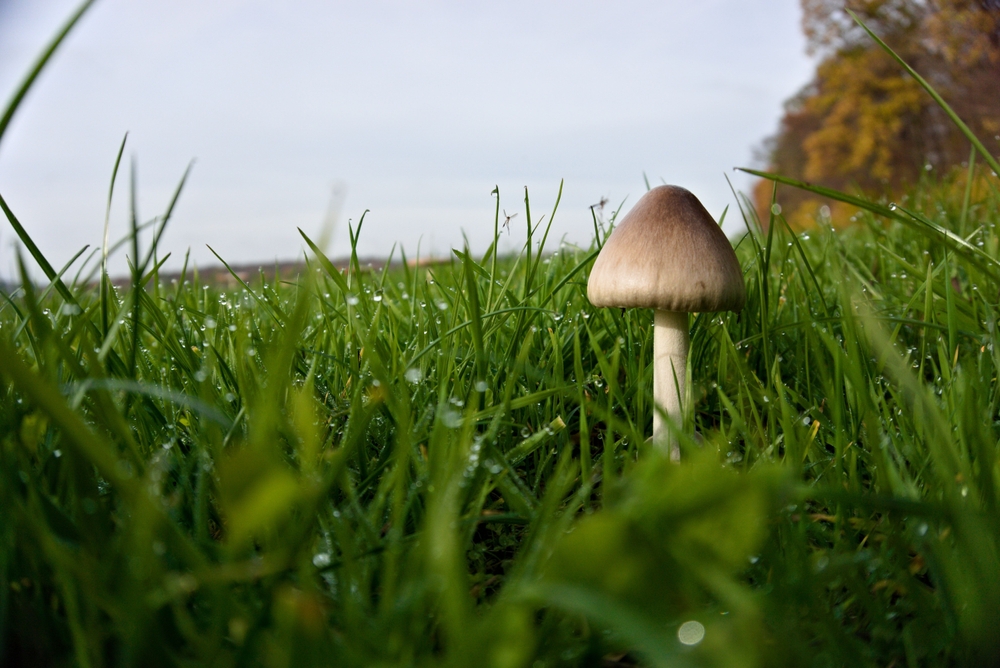
Fungi are silent but destructive guests that love lawns that aren’t properly cared for in late season. Grass that hasn’t been mowed correctly, watered wisely, or fertilized can develop conditions ripe for fungal growth. Powdery mildew, rust, and other fungal infections feed on weakened turf and can spread quickly if left unchecked. Once fungus takes hold, it can destroy patches of your lawn before you even notice it. Continued care through the cooler months helps maintain the lawn’s resilience and prevents these invasive organisms from taking over.
The Role of Proper Mowing Techniques
Mowing isn’t just a summer chore; late-season mowing plays a critical role in lawn health. Cutting grass too short can expose the soil, stress the roots, and invite pests and fungus to move in. Conversely, leaving the grass too long allows it to mat and trap moisture, creating an ideal environment for fungal diseases. Maintaining the right height in the fall helps the grass build strength and protect itself from external threats. Consistency in mowing until the grass naturally slows down prepares your lawn to withstand the winter months.
Overseeding Helps Fill Gaps and Resist Damage
Overseeding in late season may feel counterintuitive, but it’s one of the best defenses against pests and fungal issues. Thin or bare patches are irresistible to insects and leave your soil vulnerable to disease. By overseeding, you introduce fresh, strong grass that can compete with weeds, resist infections, and recover more quickly from damage. This simple step improves lawn density and creates a healthier surface that keeps pests and fungi at bay. Homes that skip this step often wake up in spring to lawns that are patchy and infested.
Watering Strategies for Cooler Months
Even as temperatures drop, watering remains essential, but the approach needs to shift. Grass still requires hydration to maintain root strength and nutrient absorption, but overwatering can create soggy conditions that fungi adore. Conversely, letting the lawn dry out too much stresses the grass and weakens its defenses. Monitoring rainfall and adjusting watering schedules carefully ensures a strong, resilient lawn. Proper hydration in late season helps the lawn stay vibrant and resilient into the next year.
Monitoring And Treating Problems Early
Stopping lawn care early can make small problems grow into major headaches. Pests and fungus are most effectively managed when caught early, yet neglected lawns often hide these issues until it’s too late. Regular inspection of grass, soil, and edges can alert you to infestations or disease before they spread. Simple interventions like targeted treatments, aeration, or spot fertilization make a world of difference. Late-season vigilance is what separates a healthy, strong lawn from a patchy, problem-filled yard in spring.
Keep Care Going Until Frost
Late-season lawn care isn’t optional; it’s essential for preventing pests, fungus, and other problems that threaten the health of your yard. Fertilization, mowing, overseeding, watering, and vigilance all work together to keep your lawn strong and resilient. Homeowners who stop care too early often regret it when they see brown spots, thinning areas, or infestations months later. Keeping up with maintenance until the first frost ensures your yard is ready to thrive in the spring.
Have you ever experienced a late-season lawn problem? Share your thoughts, stories, or tips in the comments section for others to learn from.
You May Also Like…
How Fungi Network Stronger in Autumn Soils
The Role of Fungi in Breaking Down Fall Leaves
Natural Ways To Control Fungus in Plants
Why Garden Nets Stop More Than Pests in Fall
Why Overripe Fruits Invite More Fall Pests

Brandon Marcus is a staff writer for FrugalGardening.com at District Media, Inc., where he delivers practical gardening advice with a relatable, no-nonsense style. An avid amateur gardener, he holds a BA degree and with over ten years of professional writing experience, he is also an award-winning published author whose first book, Questions For Deep Thinkers, was released by Adams Media. His work has appeared in major publications including Fandom.com, CHUD.com, TheColdWire.com, and Fansided.com.
Leave a Reply