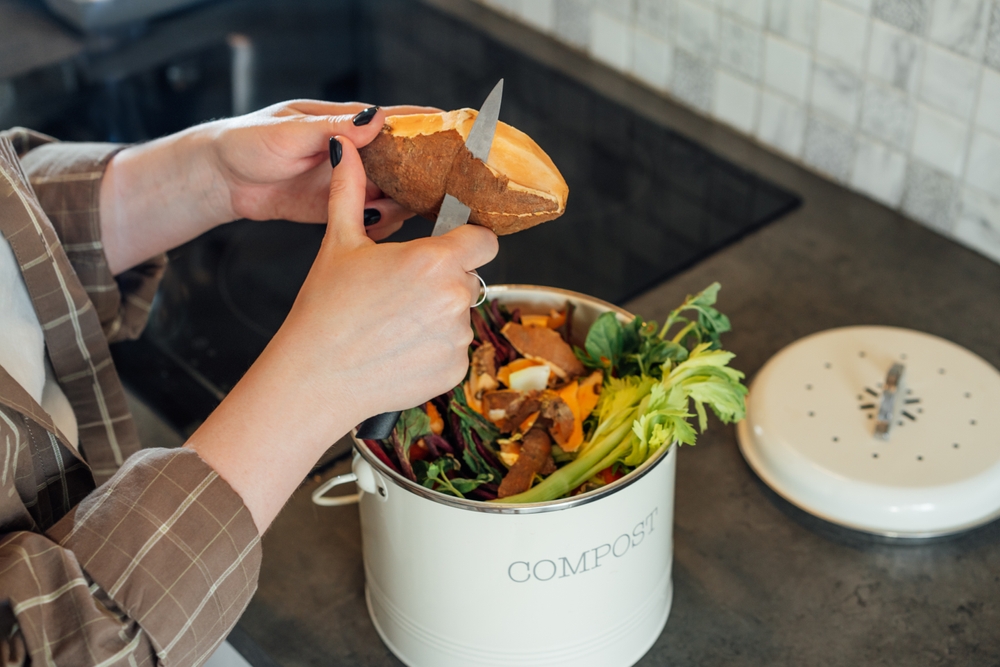
You might think your garden is flourishing thanks to careful watering, composting, and sunlight, but what if some of your beloved kitchen staples are quietly sabotaging your soil?
It sounds wild, but the truth is that a few common household items can introduce toxins or unwanted elements into your garden, slowing growth or even harming plants. By learning which items to handle differently—or avoid entirely—you can keep your soil rich, vibrant, and thriving. Let’s dig into five kitchen offenders you probably didn’t know were messing with your garden.
1. Citrus Peels: Nature’s Zesty Soil Saboteurs?
Citrus fruits are a kitchen staple, but tossing their peels straight into your garden soil can sometimes backfire. While citrus peels do break down over time, they’re highly acidic and can temporarily lower the pH of your soil. Certain plants are sensitive to shifts in soil acidity, which can stunt growth or even inhibit nutrient uptake.
If you’re craving the benefits of citrus composting, consider cutting the peels into very small pieces or adding them to a well-managed compost bin where they’ll break down more evenly.
2. Onion and Garlic Scraps: Aromatic but Aggressive
The potent punch of onions and garlic doesn’t just wake up your taste buds—it can also upset your garden’s ecosystem if added directly to soil. These allium family members release sulfur compounds as they decompose, which can be too harsh for seedlings or delicate plants. Soil organisms that normally help break down organic matter may struggle with concentrated onion or garlic residues, slowing decomposition overall.
If you love composting your kitchen scraps, it’s best to mix onion and garlic remnants thoroughly with other compost materials to dilute their strength. Another trick is to bury them deeper in compost piles, giving them time to mellow before they meet your garden beds.
3. Potato and Tomato Eyes: Tiny Threats in Your Soil
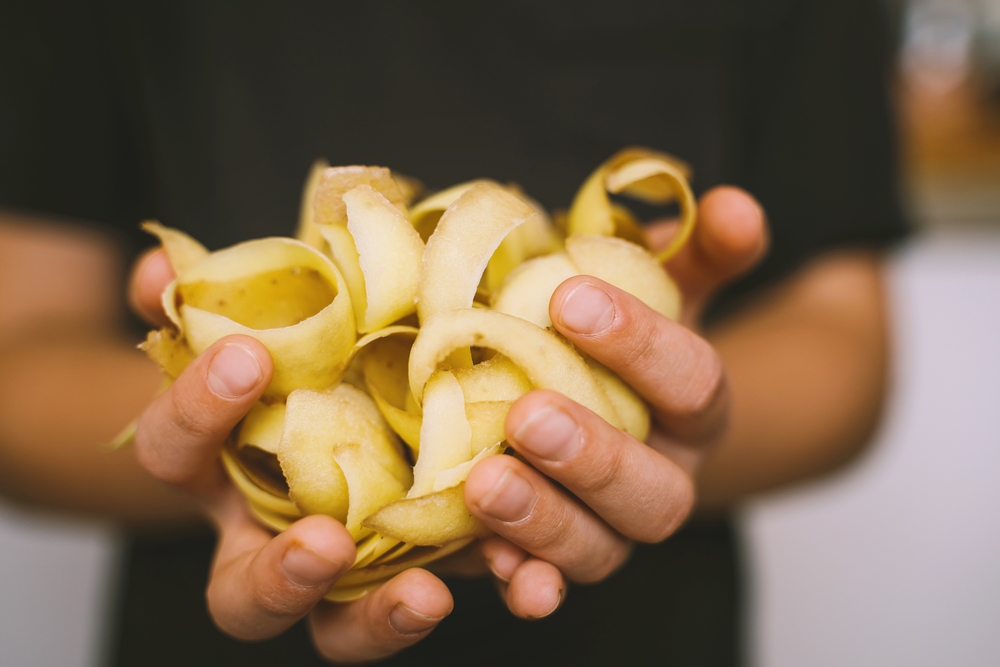
Potatoes and tomatoes might seem harmless, but planting or tossing “eyes” or green sprouted parts into your garden soil can be risky. These parts may harbor naturally occurring compounds that can be toxic to some plants and even affect soil microbiomes. There’s also a sneaky risk of disease transfer—blight or fungal spores can hitch a ride on leftover potato eyes or tomato scraps, spreading to healthy plants.
If you’re trying to repurpose scraps, it’s safer to compost these materials first, ensuring they break down completely and neutralize any potential toxins before they touch your garden soil.
4. Used Coffee Grounds: Fertilizer or Folly?
Coffee grounds have a near-mythical reputation as a garden booster, but they aren’t a free pass to toss them willy-nilly. Fresh grounds are acidic and can shift soil pH, especially if you use them in large amounts. Even “used” grounds, which are less acidic, can compact the soil if applied in thick layers, suffocating roots rather than nourishing them.
Some gardeners report that coffee grounds can attract pests like ants if scattered on the soil surface. The key is moderation: sprinkle a thin layer, mix it into compost, or use it in a balanced soil amendment rather than dumping whole coffee jars directly into your flower beds.
5. Kitchen Oils and Fats: Slick Problems for Plants
Cooking oils, butter, or leftover grease are absolute soil villains when introduced directly. Unlike organic scraps that decompose relatively safely, fats create a barrier in the soil that inhibits water absorption and aeration. Over time, this can leave plants thirsty even after watering and disrupt the balance of microbes crucial for nutrient cycling.
Oils can also turn rancid, producing unpleasant odors and attracting unwanted wildlife or pests. A better option is to dispose of fats responsibly in trash or a designated recycling program and stick to plant-based scraps that actually feed your soil without choking it.
Soil-Saving Strategies You Can Actually Use
Composting is still your friend, but the method matters: chop citrus peels, dilute onion and garlic scraps, avoid raw potato or tomato eyes, moderate coffee grounds, and never pour fats directly into soil. If you’re serious about garden health, consider a layered compost system where each type of kitchen waste gets its own space to break down safely. Your plants will reward you with lush growth, vibrant leaves, and a reduced risk of pest invasions or soil imbalance.
What’s the most surprising kitchen item you’ve learned could affect your garden? Share your thoughts in the comments below.
You May Also Like…
13 Composting Ideas to Use Holiday Kitchen Waste in Your Garden
Why Your Compost Bin Could Be Breeding a Fungus That Kills Seedlings
7 Natural Fertilizers Found in Your Fall Kitchen
How to Create an Endless Food Supply from Your Kitchen Waste
Love Cooking? Here’s How Growing Herbs Indoors Can Change Your Kitchen Game

Brandon Marcus is a staff writer for FrugalGardening.com at District Media, Inc., where he delivers practical gardening advice with a relatable, no-nonsense style. An avid amateur gardener, he holds a BA degree and with over ten years of professional writing experience, he is also an award-winning published author whose first book, Questions For Deep Thinkers, was released by Adams Media. His work has appeared in major publications including Fandom.com, CHUD.com, TheColdWire.com, and Fansided.com.
Leave a Reply