
It happens without warning: a once-thriving plant suddenly freezes in its tracks. Leaves stop stretching, stems stall, and buds refuse to bloom. Gardeners can watch in disbelief as months of care seem to hit a wall, leaving greenery stuck in limbo. Plants don’t complain, but their silence is loud—like a neon sign flashing, “Something’s off!” The mystery of stunted growth fascinates as much as it frustrates, yet it’s usually something fixable once spotted.
Growth halts rarely arrive from a single villain. Often, multiple issues pile on, combining like a secret team of plant saboteurs. Understanding the why behind a plant’s pause isn’t just about curiosity—it’s about reclaiming momentum, rescuing foliage, and giving your garden the pep talk it clearly needs.
The Hunger Games: Nutrient Deficiencies Sneak Attack
Plants act like miniature alchemists, converting sunlight, water, and soil magic into leafy perfection. But when key nutrients vanish from the soil, their metabolism hits a speed bump. Nitrogen deficiency, for example, turns leaves a dull yellow and slows growth dramatically, while a lack of phosphorus can stall root development and flower formation. Potassium shortages make plants vulnerable to disease and reduce overall vigor. Identifying nutrient gaps requires more than guessing; testing the soil provides precise insights and prevents overcompensation.
The good news is that correcting deficiencies doesn’t have to be complicated. A balanced fertilizer with a proper NPK ratio tailored to your plant type can jumpstart stalled growth. Organic options like compost or well-rotted manure release nutrients slowly, supporting sustainable growth and enriching the soil for future seasons. Rotating crops and mixing in cover plants like clover can naturally restore nitrogen, giving hungry roots exactly what they crave. Once the nutrient balance returns, growth often resumes faster than expected, transforming limp leaves into lush, vibrant life.
Thirsty or Drenched: Water Woes
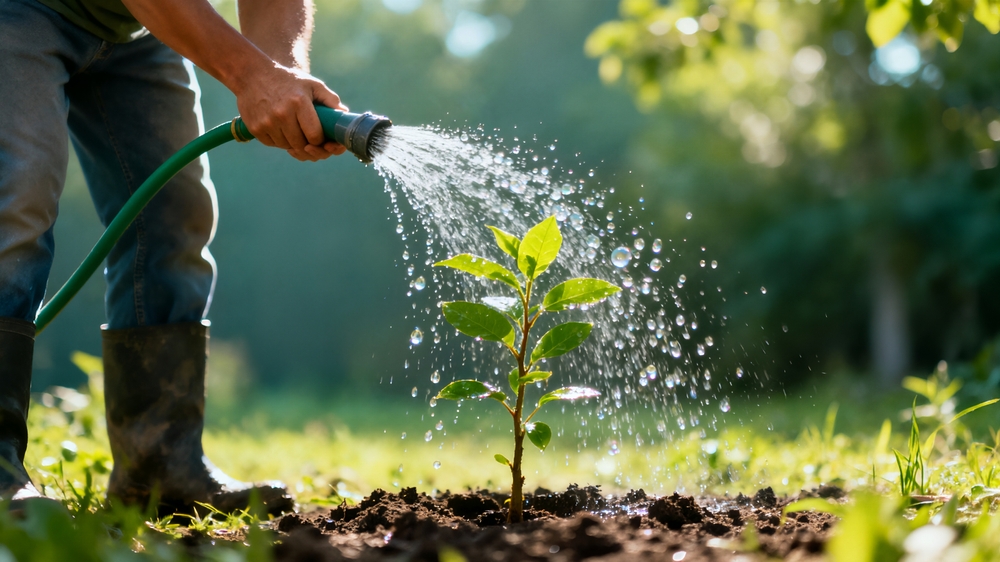
Water plays a starring role in plant growth, yet too much or too little can bring progress to a screeching halt. Roots submerged in soggy soil suffocate, turning soft and prone to rot, while drought-stricken plants struggle to transport nutrients, resulting in stunted stems and curled leaves. Inconsistent watering schedules confuse plants, creating a cycle of stress that dramatically slows development. Observing soil moisture and adjusting watering habits based on season and plant type can resolve most water-related growth issues.
Mulching helps maintain consistent soil moisture, reducing the extremes of drying and sogginess. For container plants, ensuring proper drainage prevents waterlogging, while drip irrigation systems keep larger beds hydrated without waste. Watering deeply but less frequently encourages roots to grow downward, creating resilient plants ready to thrive even under fluctuating conditions. With careful attention to hydration, even plants that have stubbornly stalled for weeks can perk up and regain vigor.
The Silent Saboteurs: Pests and Plant Diseases
Invisible enemies often hide in plain sight, quietly sabotaging plant growth. Aphids, spider mites, and whiteflies may seem small, but their constant feeding drains essential nutrients and weakens leaves. Fungal diseases like powdery mildew and root rot infiltrate tissue and interfere with photosynthesis, leaving plants listless. Detecting these culprits early is critical, as delayed action allows infestations to intensify and stunt growth further. Regular inspection and proactive prevention often make all the difference between a minor hiccup and a full-blown garden disaster.
Combatting pests and diseases doesn’t have to mean harsh chemicals. Introducing beneficial insects like ladybugs or predatory nematodes can naturally keep harmful populations in check. Organic sprays, such as neem oil or insecticidal soap, tackle problems without upsetting the garden’s ecosystem. Rotating plant species and avoiding overcrowding also reduce disease spread, giving each plant room to breathe and flourish. Healthy plants, free from pests and pathogens, bounce back faster, often returning to robust growth in days rather than weeks.
Sunshine on Hold: Light and Temperature Challenges
Even perfectly fed and watered plants can stall if the light or temperature isn’t right. Insufficient sunlight slows photosynthesis, causing pale leaves and sluggish growth. Conversely, too much direct heat can scorch foliage, leaving stems stressed and leaves wilting. Temperature swings, particularly sudden cold snaps or heatwaves, shock plant metabolism, halting cell expansion and bud formation. Understanding each species’ light and temperature preferences ensures your garden hits peak growth potential.
Seasonal adjustments can save stalled plants. Moving potted plants to sunnier locations, using shade cloths to temper harsh midday sun, or bringing tender species indoors during extreme cold are practical solutions. Combining these environmental tweaks with proper watering and nutrition creates a synergistic effect, nudging plants out of growth limbo. Soon, those once-stalled stems start stretching, and leaves regain their rich, healthy color.
Roots Matter Most: Soil Compaction and Poor Drainage
Roots act as the silent engine behind every inch of growth, and when soil conditions restrict their expansion, plants pay the price. Compacted soil limits oxygen availability, prevents proper water penetration, and inhibits nutrient uptake, all of which stall above-ground growth. Similarly, poorly drained areas invite root rot, which weakens plants from the inside out. Aerating soil and incorporating organic matter gives roots room to grow and revives stalled plants.
Tools as simple as a garden fork or mechanical aerator loosen stubborn soil, while adding compost or mulch enhances texture and fertility. Raised beds can bypass drainage issues entirely, creating an ideal environment for roots to thrive. Observing root health periodically ensures long-term vitality and prevents future stunting. Once roots gain freedom and nutrients flow unhindered, plants regain momentum, and growth surges visibly, rewarding every bit of effort.
Growth Restart: Getting Your Garden Back on Track
A garden doesn’t stay stalled forever if it receives thoughtful attention and a dash of patience. By addressing nutrient deficiencies, fine-tuning water schedules, managing pests and diseases, controlling light and temperature, and improving soil structure, plants recover and flourish. Growth may not resume instantly, but consistent care often produces visible results within a few weeks. The key lies in observation and action: noticing subtle signs, diagnosing accurately, and responding with targeted solutions.
Every garden carries lessons hidden among its leaves, stems, and roots. Paying attention to these cues fosters a deeper connection with plants, turning gardening from routine into a rewarding adventure. Growth stalls can become opportunities to experiment with new fertilizers, irrigation techniques, or plant companions, sparking creativity while solving problems.
What unexpected tricks or methods have revitalized your garden? Share the stories, discoveries, or secret hacks that have brought your plants back to life in the comments section.
You May Also Like…
6 Low-Cost Plants That Thrive for Beginner Gardeners on a Budget
8 Houseplants That Don’t Need A Lot Of Light
Pet Poison Helplines Issue Alert About a Popular Houseplant Mix
How to Protect Plants From Strong March Winds
7 Houseplants That Hate Dry Winter Heat and What to Do

Brandon Marcus is a staff writer for FrugalGardening.com at District Media, Inc., where he delivers practical gardening advice with a relatable, no-nonsense style. An avid amateur gardener, he holds a BA degree and with over ten years of professional writing experience, he is also an award-winning published author whose first book, Questions For Deep Thinkers, was released by Adams Media. His work has appeared in major publications including Fandom.com, CHUD.com, TheColdWire.com, and Fansided.com.
Leave a Reply