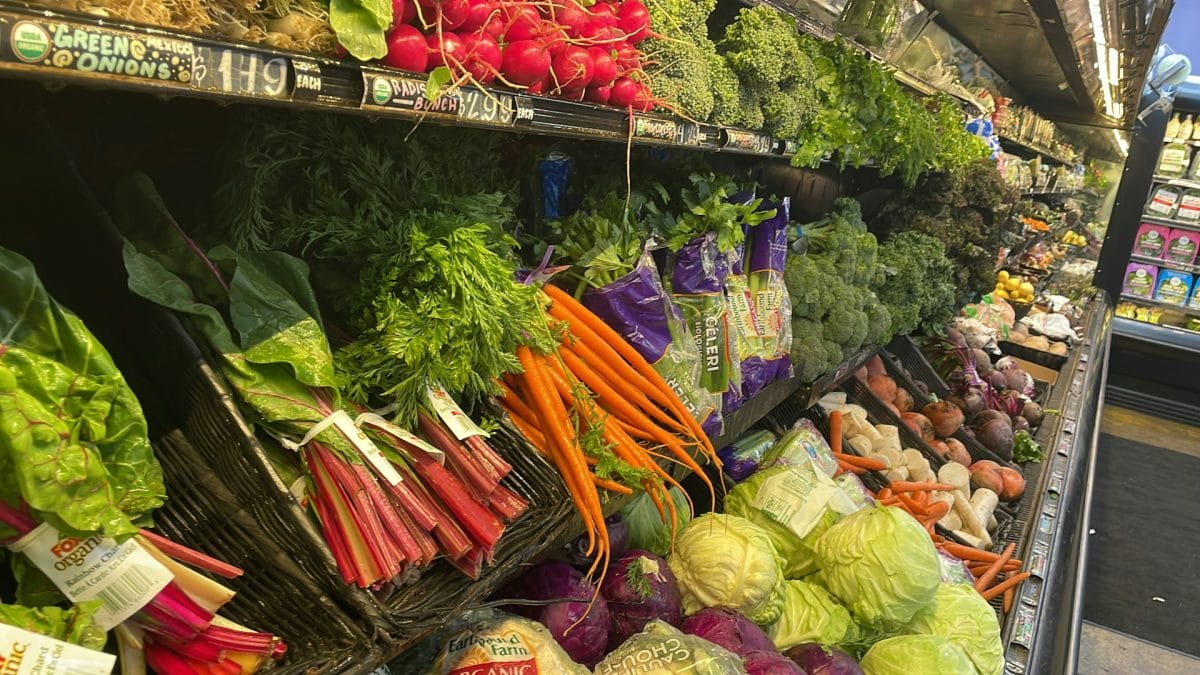
A $10 bill does not look like much in a grocery store. It disappears fast, swallowed by a couple of items that barely last the week. That same $10, though, can turn into something far more powerful when it lands in the right place. Seeds, soil, and a little sunlight can stretch that small investment into a steady stream of fresh food that keeps showing up again and again. That idea flips the script on grocery shopping and turns a routine expense into a long-term win.
This is not about building a full farm or becoming a gardening expert overnight. This is about picking the right vegetables that grow quickly, produce often, and refuse to quit after one harvest. Some plants give back so generously that they start to feel like a cheat code for anyone trying to cut food costs without sacrificing quality. With a little strategy and the right choices, a tiny budget can deliver weeks of fresh, homegrown flavor that beats anything sitting on a store shelf.
1. Lettuce That Refuses to Quit: The Salad That Keeps Coming Back
Lettuce does not ask for much, but it gives a lot in return, especially when picked the right way. Loose-leaf varieties, like romaine or butterhead, grow quickly and allow for a “cut and come again” harvest style that keeps plants producing for weeks. Instead of pulling the entire plant, trimming the outer leaves encourages new growth from the center, which means one planting can supply multiple salads over time. That cycle repeats itself as long as the plant stays healthy and hydrated, turning a single packet of seeds into a steady source of greens.
Growing lettuce also fits almost any space, which makes it incredibly accessible. A small container on a balcony or a shallow garden bed can produce enough leaves to replace frequent grocery trips. Lettuce thrives in cooler temperatures, so early spring and fall offer ideal growing windows, although partial shade helps extend its life even during warmer days. Regular watering keeps the leaves tender and prevents bitterness, which often shows up when the plant struggles with heat or dryness. That level of control over flavor and freshness adds even more value beyond the cost savings.
The payoff shows up quickly, and that speed makes lettuce one of the most satisfying crops to grow. Many varieties reach harvest size in just a few weeks, which means the return on investment starts almost immediately. Grocery store lettuce often wilts within days, but homegrown leaves stay crisp and vibrant right up until harvest. That freshness alone changes the entire experience of eating salads. A simple $2 seed packet can easily replace multiple store-bought heads, and it keeps producing far longer than expected.
2. Green Onions That Multiply Like Crazy
Green onions bring a whole different kind of energy to the garden because they practically regrow themselves. Store-bought green onions with intact roots can go straight into water or soil, and they start producing new shoots within days. That rapid turnaround feels almost unbelievable at first, but it holds up under real conditions. Trim the tops, leave the roots, and those same onions bounce back again and again with very little effort.
This regrowth cycle makes green onions one of the most cost-effective foods to keep on hand. A single bunch from the store can turn into weeks of fresh supply when handled properly. Placing them in a sunny window or a small container of soil encourages stronger, longer-lasting growth compared to just keeping them in water. Soil provides nutrients that water alone cannot sustain over time, which leads to healthier and more flavorful stalks. That small upgrade takes almost no extra effort but delivers a much better result.
Green onions also fit into nearly any dish, which increases their value even more. They add flavor to eggs, soups, stir-fries, and salads without overpowering the meal. That versatility ensures they never go to waste, which matters just as much as the initial savings. Instead of tossing wilted onions from the fridge, fresh ones stay within reach and ready to use. That constant availability makes home cooking easier, quicker, and more enjoyable.
3. Zucchini That Goes From Zero to Overflow
Zucchini does not play around when it comes to production. Once it gets going, it delivers fruit at a pace that surprises even experienced gardeners. A single plant can produce multiple zucchinis each week during peak season, and that output adds up fast. This vegetable thrives in warm weather and full sun, which makes it a strong choice for summer growing.
The key to maximizing zucchini lies in consistent harvesting. Picking the fruit while it remains small and tender encourages the plant to keep producing instead of slowing down. Letting zucchinis grow too large can signal the plant to shift its energy away from new production. Regular harvesting keeps the cycle active and ensures a steady supply of fresh vegetables. That rhythm turns one plant into a reliable source of food for weeks or even months.
Zucchini also adapts well to different cooking styles, which helps prevent boredom in the kitchen. It grills beautifully, sautés quickly, and even works in baked goods like breads and muffins. That flexibility allows it to slide into meals without feeling repetitive. Considering the low cost of seeds and the high yield, zucchini easily pays for itself many times over. A small investment can lead to an overwhelming abundance, and that kind of return stands out immediately.
4. Spinach That Grows Fast and Packs a Punch
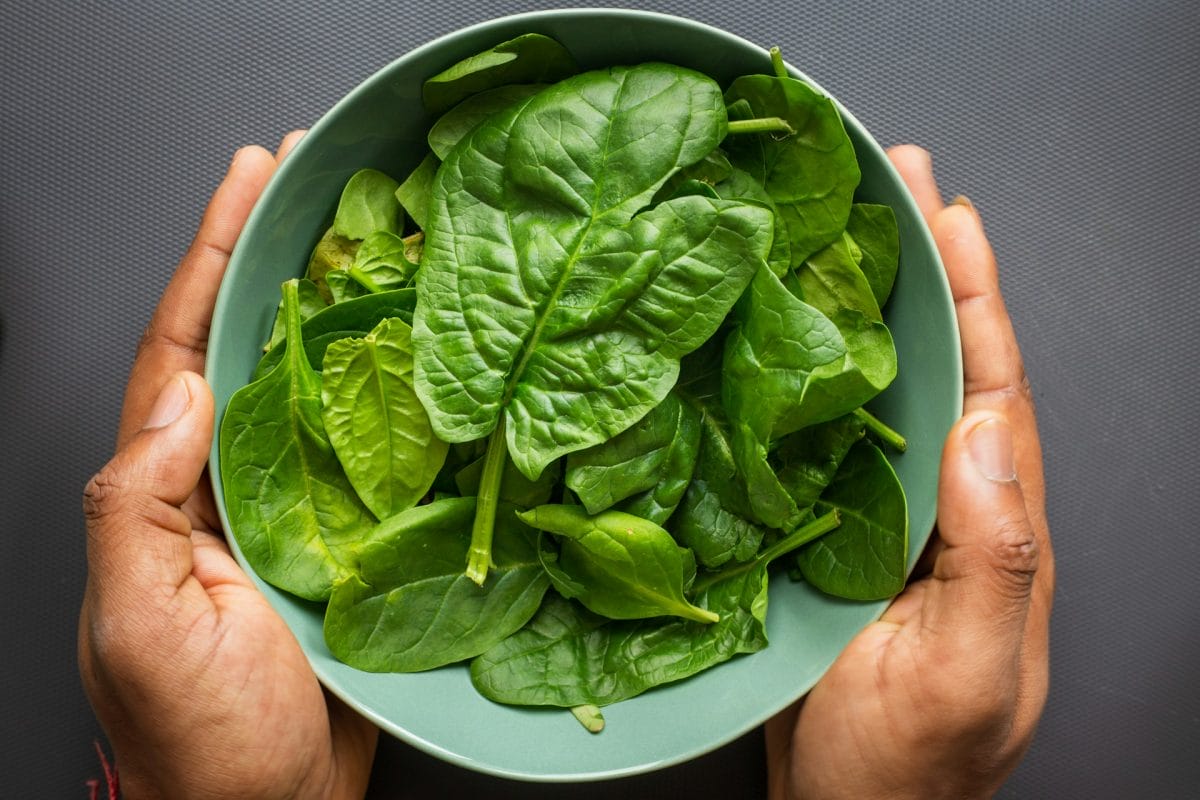
Spinach earns its spot on this list by combining speed, nutrition, and yield into one compact plant. It grows quickly in cooler weather, often reaching harvest size in just a few weeks. Like lettuce, it supports a cut-and-come-again approach, which means it continues producing after each harvest. That repeated growth stretches a single planting far beyond a one-time return.
This leafy green also brings serious nutritional value to the table. It delivers vitamins, minerals, and antioxidants that support overall health, which adds another layer of benefit beyond saving money. Fresh spinach tastes noticeably better than store-bought versions, especially when harvested at the right time. That freshness enhances everything from salads to smoothies and cooked dishes.
Growing spinach does not require a large space or complicated setup. A small container or garden bed can produce enough leaves to make a difference in daily meals. Keeping the soil moist and providing partial shade during warmer days helps extend its growing period. With the right conditions, spinach continues producing longer than expected, making it a reliable and rewarding choice.
5. Radishes That Deliver Almost Instantly
Radishes bring speed to the garden in a way few vegetables can match. Some varieties mature in as little as three to four weeks, which means they offer one of the fastest returns on investment. That quick turnaround makes them perfect for anyone who wants immediate results without a long wait. Plant the seeds, water consistently, and watch them develop at an impressive pace.
This rapid growth also allows for multiple planting cycles in a single season. Once one batch gets harvested, another can take its place right away. That continuous planting strategy keeps fresh radishes coming without interruption. It also maximizes the use of available space, which matters for smaller gardens or container setups.
Radishes do more than just grow quickly; they also bring bold flavor and crunch to meals. They work well in salads, sandwiches, and even roasted dishes for a different twist. Their greens also remain edible, which adds another layer of value that often gets overlooked. That full-plant use increases their efficiency and reduces waste. For a low-cost crop with high output and fast results, radishes make a strong case.
The $10 Garden That Changes the Game
A small budget does not limit potential; it sharpens focus. Choosing high-yield vegetables like lettuce, green onions, zucchini, spinach, and radishes turns a simple $10 investment into something far more powerful than a one-time grocery run. These plants grow quickly, produce consistently, and keep giving long after the initial cost fades into the background. That kind of return transforms the way food shows up at home, shifting it from a recurring expense into an ongoing resource.
So which of these high-yield veggies sounds like the first pick, and what would that $10 garden look like in your space? Give us your ideas, strategies, or even wild experiments in the comments and keep the momentum going.
You May Also Like…
8 Plants That Grow Well From Grocery Store Scraps
The Grocery Store Seed Hack Saving Gardeners Hundreds — And Why It Might Ruin Your Harvest
7 Cold-Weather Herbs That Taste Better Than Store-Bought
7 Vegetables That Perform Better in Cooler Starts
6 Vegetables That Don’t Need Premium Fertilizers

Brandon Marcus is a staff writer for FrugalGardening.com at District Media, Inc., where he delivers practical gardening advice with a relatable, no-nonsense style. An avid amateur gardener, he holds a BA degree and with over ten years of professional writing experience, he is also an award-winning published author whose first book, Questions For Deep Thinkers, was released by Adams Media. His work has appeared in major publications including Fandom.com, CHUD.com, TheColdWire.com, and Fansided.com.
Leave a Reply